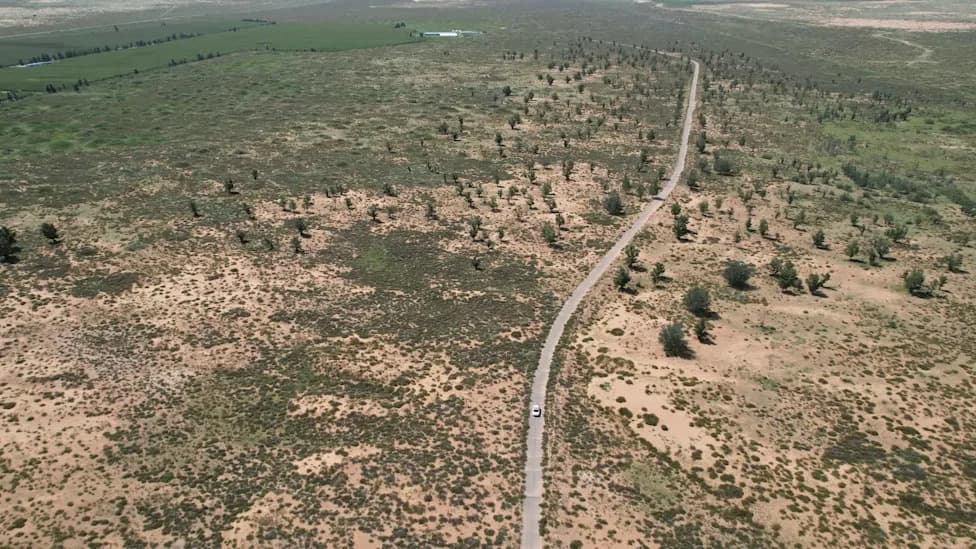
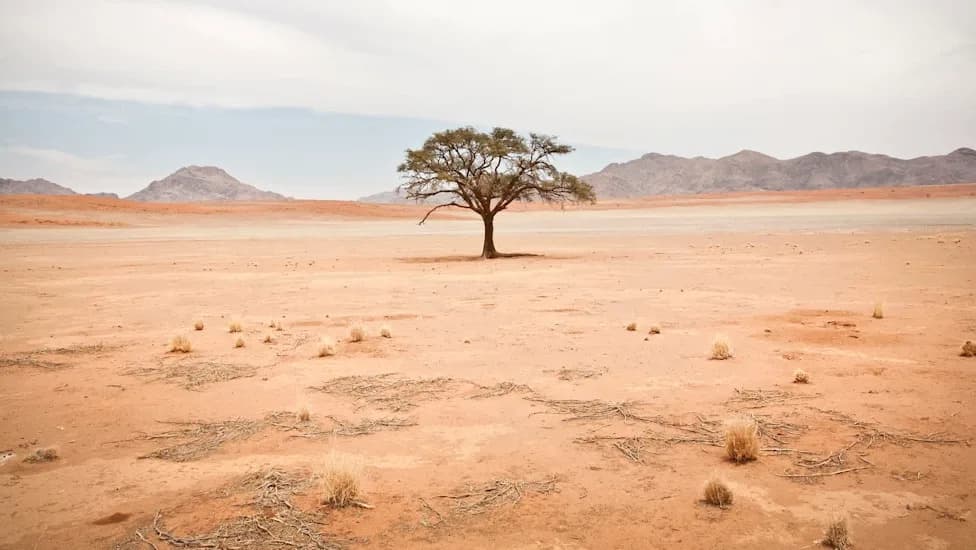
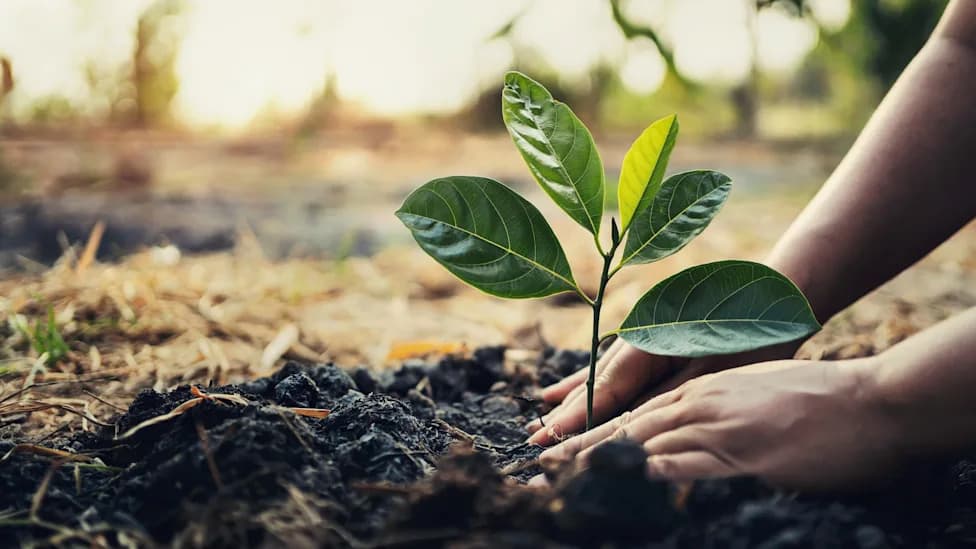
China’s large-scale tree-planting campaigns — including the Three-North Shelterbelt begun in 1978 — substantially increased forest cover by 2024. A 2025 Earth’s Future study finds that about 78 billion new trees and other regreening efforts raised evapotranspiration between 2001–2020, redirecting moisture to the Tibetan Plateau while reducing water availability in eastern and northwestern China. Northern China, home to nearly half the population and much of the farmland, faces disproportionate water stress. The study recommends that hydrological effects be considered in future reforestation and land-management planning.
China’s 78 Billion-Tree Reforestation Shifted Rainfall — And Strained Water Supplies
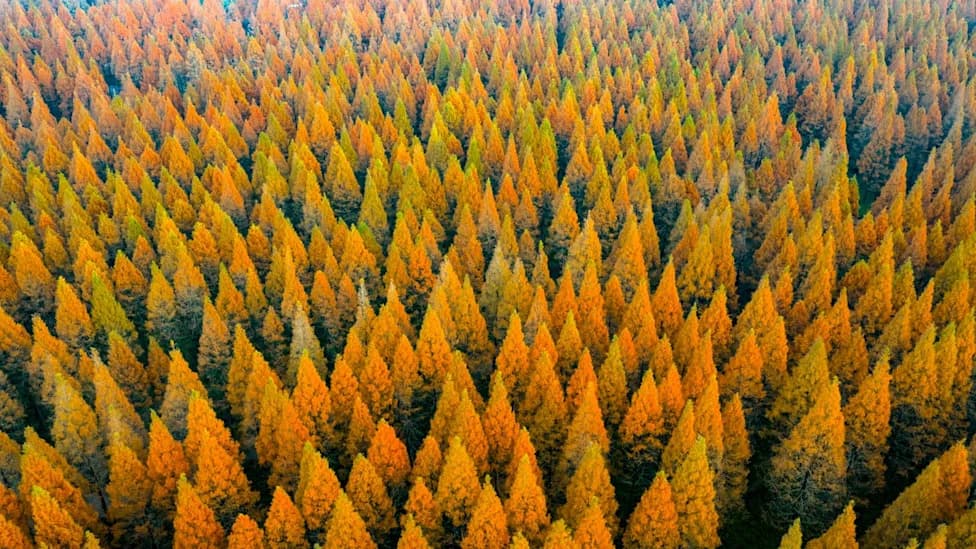
China's Regreening Has Messed Up Its Water CycleNurPhoto - Getty Images
China’s decades-long push to regreen vast swaths of land has delivered clear environmental wins — more forest cover, reduced erosion and greater carbon uptake — but a new study shows it also reshaped the country’s water cycle in unexpected ways.
What researchers found
A 2025 study in Earth's Future analyzed land-use and vegetation changes from 2001 to 2020 and concluded that large-scale afforestation increased evapotranspiration (the combined effect of evaporation and plant transpiration). That rise in atmospheric moisture altered precipitation patterns: more moisture was funneled toward the Tibetan Plateau, while parts of eastern and northwestern China experienced declines in water availability.
Scale of the effort
China's national campaigns — including the Three-North Shelterbelt (the "Great Green Wall"), the Grain for Green program and the Natural Forest Protection Program — have dramatically expanded tree cover. Reuters reports roughly 116,000 square miles of new forest and a rise in national forest cover from about 10% in 1949 to roughly 25% in 2024. Some estimates put the number of newly planted trees since the early 1980s at about 78 billion.
Regional impacts and why they matter
The study team — researchers from Tianjin University, China Agricultural University and Utrecht University — report that vegetation increases reduced available water in both the eastern monsoon zone and the northwestern arid zone. Those regions together account for roughly 74% of China's land area. Northern China, which contains about 46% of the population and more than half the country's arable land, holds only about 20% of the nation's water resources, making these shifts particularly consequential for food security and livelihoods.
"These shifts caused changes in precipitation, directing more moisture to the Tibetan Plateau, which saw an increase in water availability. In contrast, eastern and northwestern China experienced a decrease in water availability, with the northwest losing the most," the authors wrote.
Land-use transitions matter
The researchers also found that not all land-cover changes have the same hydrological effect. Converting grassland to forest, or cropland to grassland, can raise evapotranspiration and sometimes increase local precipitation but still reduce net water availability for downstream or human use.
Policy implications
The study underscores a key lesson: afforestation and other land-management policies must be designed with hydrology in mind. Large-scale tree planting can help fight desertification and sequester carbon, but without regional water budgeting and species selection that considers water use, those gains may come at the expense of water availability in critical agricultural and population centers.
Bottom line
China’s reforestation programs have produced major environmental benefits, but they have also redistributed atmospheric moisture across regions — increasing water in some areas while reducing it in others. Integrating water-cycle impacts into future reforestation planning will be essential to ensure both ecological and human resilience.
Help us improve.