The United States and Iran are exchanging messages through intermediaries while limited June talks seek to end hostilities. The Strait of Hormuz remains the main flashpoint: Iran conditions its full reopening on sanctions relief, compensation and U.S. withdrawal, while the U.S. demands unfettered commercial navigation. Oman is mediating an interim routing proposal, and regional tensions persist amid reported attacks on commercial vessels. Negotiators report progress but emphasize no final deal is yet confirmed.
U.S. and Iran Exchange Messages Through Intermediaries as Talks Continue; Strait of Hormuz Remains Flashpoint
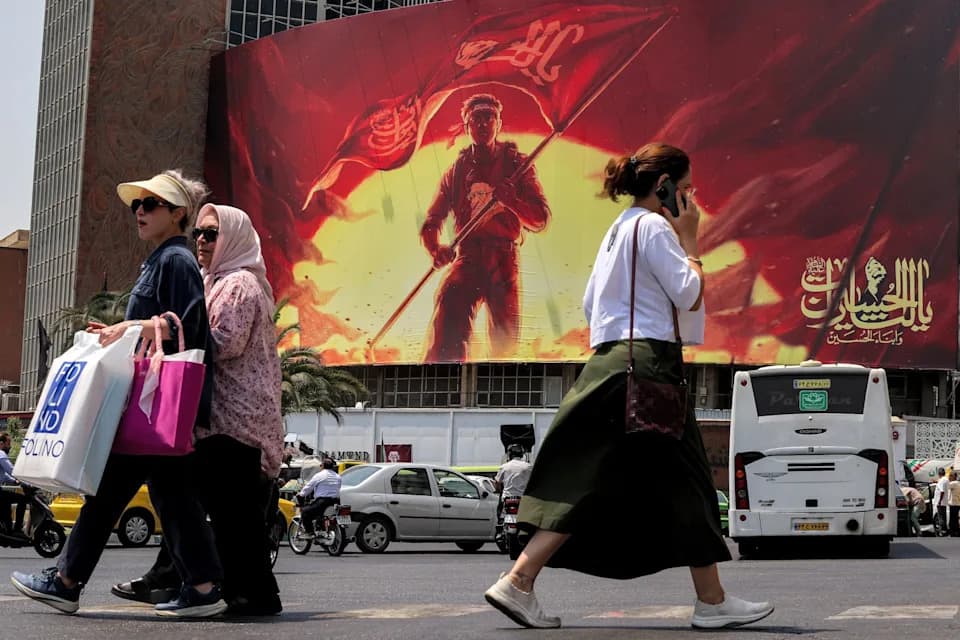
Atta Kenare/AFP via Getty Images - PHOTO: Women walk past a political billboard at Valiasr Square in central Tehran on August 8, 2026.
Delegations from the United States and Iran have continued limited diplomatic engagement since June, exchanging messages through intermediaries while negotiations seek to curb hostilities and secure freedom of navigation through the Strait of Hormuz. Despite these back-channel communications, both sides and their regional partners remain on edge as strikes and counterstrikes have continued to punctuate the diplomatic effort.
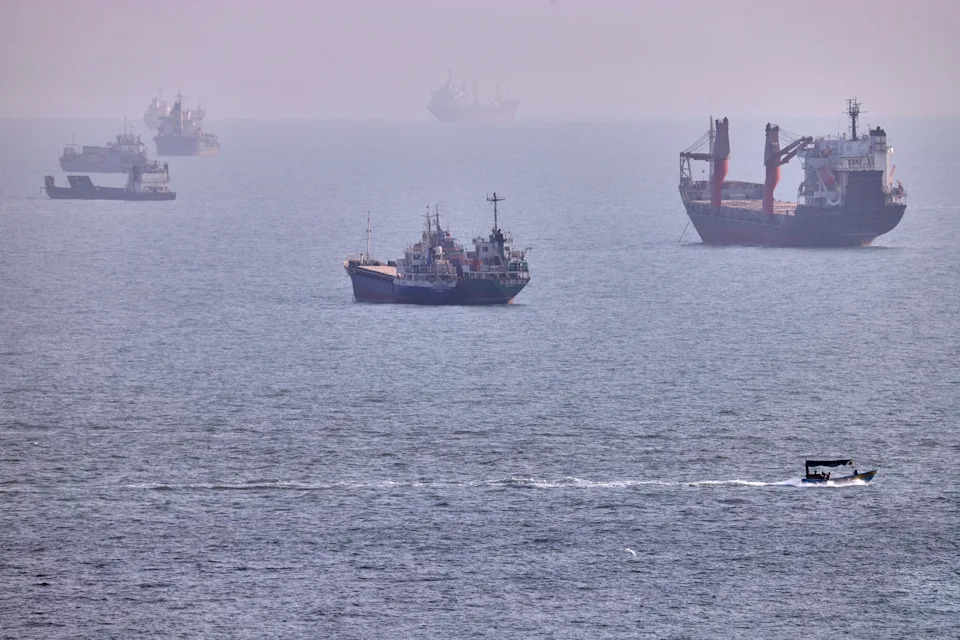
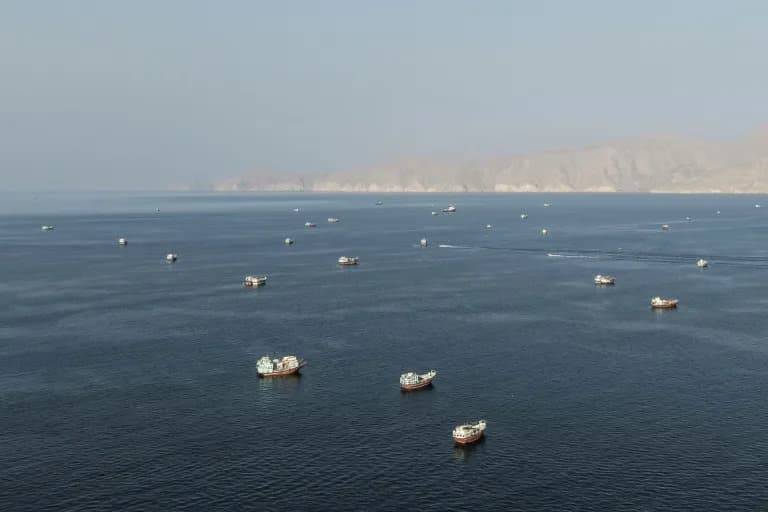
Amirhosein Khorgooi/AP Photo - PHOTO: A small boat sails past cargo ships and other commercial vessels anchored in the Strait of Hormuz off Bandar Abbas, Iran, Wednesday, Aug. 5, 2026.
Background
President Donald Trump announced on Feb. 28 that the U.S. had launched 'major combat operations' against Iran, including large-scale joint U.S.-Israeli strikes targeting Iranian military, government and infrastructure sites. In June, U.S. and Iranian delegations opened discussions and signed a framework memorandum of understanding intended to de-escalate the conflict and form the basis for more comprehensive negotiations.
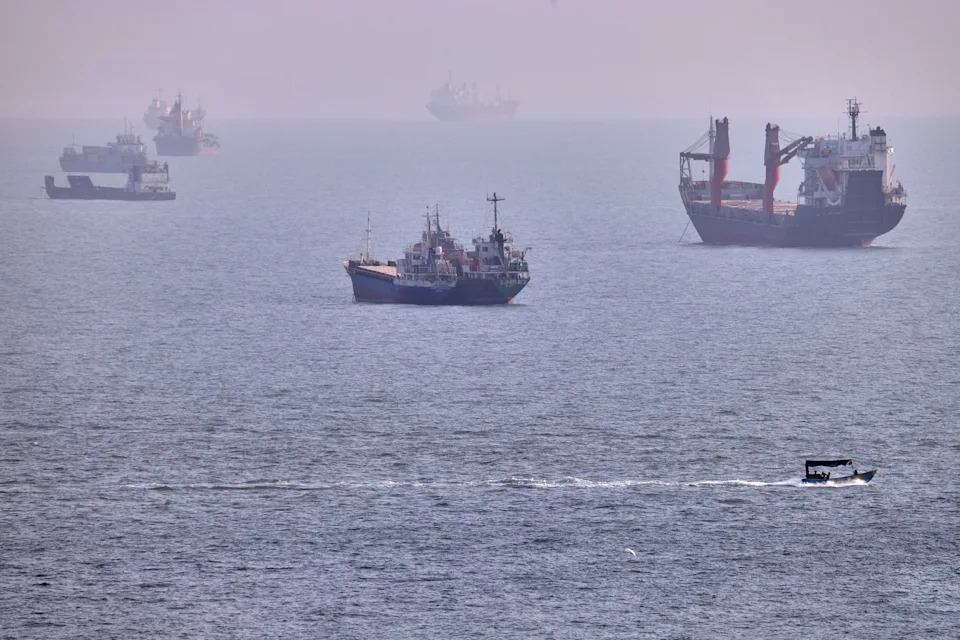
Amirhosein Khorgooi/Isna via AP - PHOTO: A small boat sails past cargo ships and other commercial vessels anchored in the Strait of Hormuz off Bandar Abbas, Iran, Aug. 5, 2026.
Negotiations and Intermediaries
An Iranian official told state media that messages are being relayed between Washington and Tehran via intermediaries, emphasizing that this exchange should not be labeled formal negotiations. Iran’s Foreign Minister Abbas Araghchi accused the United States of continuing to violate the June memorandum and said, according to state media, that talks cannot resume until those violations stop and the U.S. compensates Iran.
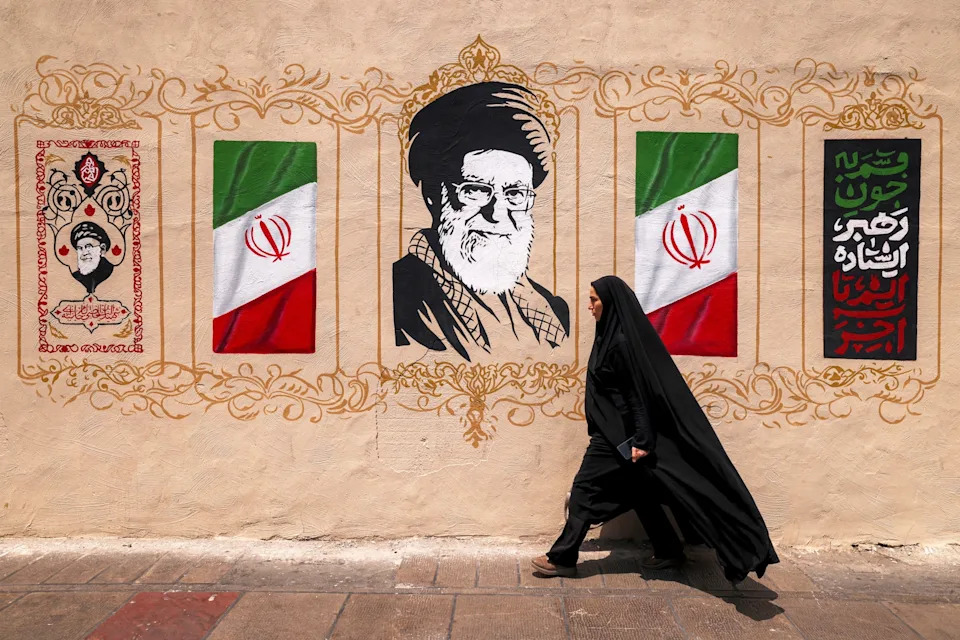
Atta Kenare/AFP via Getty Images - PHOTO: A woman walks past a mural depicting Iran's late supreme leader Ali Khamenei at Valiasr Square in central Tehran on Aug. 8, 2026.
Araghchi also warned that any agreement with Oman should not be interpreted as an immediate reopening of the Strait of Hormuz and reaffirmed that Iran has conveyed additional conditions to the U.S. through intermediaries.
The Strait of Hormuz: Conditions and Proposals
The Strait of Hormuz has emerged as the central flashpoint. Iranian leaders insist the waterway will not be fully reopened until the United States 'corrects its behavior' — a list of demands that includes ending hostile rhetoric and military action, withdrawing naval and air forces involved in a blockade, compensating Iran for conflict-related damage, lifting sanctions and releasing frozen assets.
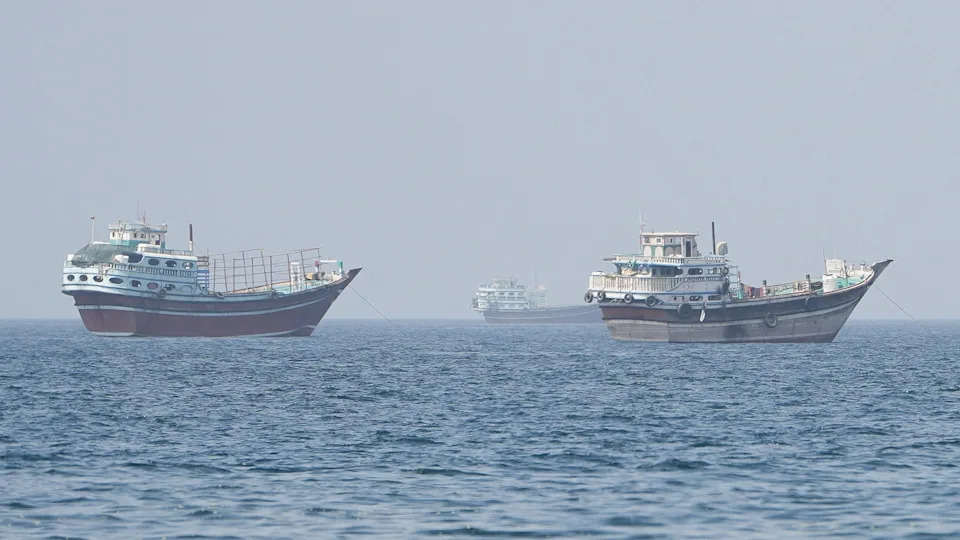
Reuters - PHOTO: Vessels near the Strait of Hormuz, as seen from Musandam, Oman, August 6, 2026.
Iranian officials have publicly discussed an interim arrangement with Oman that would establish new, temporary shipping lanes: inbound traffic under Iranian control and outbound traffic under Omani control. A U.S. official familiar with the negotiations confirmed that negotiators discussed a provisional routing limited to roughly 60 days while a long-term agreement is worked out, and cautioned that nothing is final until announced.
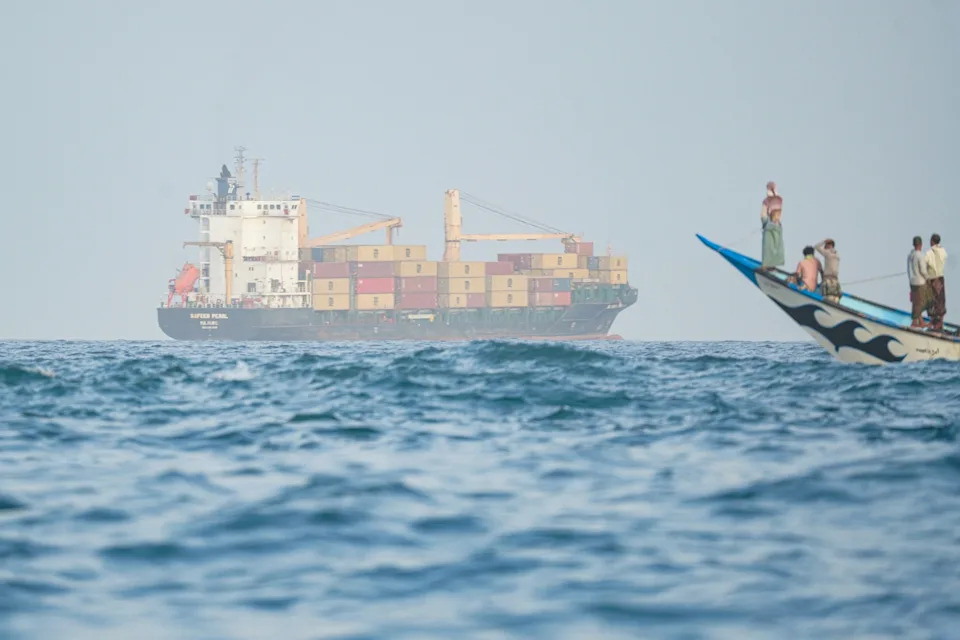
AFP via Getty Images - PHOTO: People sail their boat past container ships anchoring near the Strait of Bab al-Mandeb off Yemen's coast in the Gulf of Aden, August 6, 2026.
Omani proposals reportedly include a Gulf-backed plan modeled on arrangements used in Asia's Strait of Malacca, where voluntary contributions help fund security and environmental protection. The United States, however, maintains the strait is an international waterway and opposes tolls or approval requirements, pressing instead for unfettered commercial navigation.
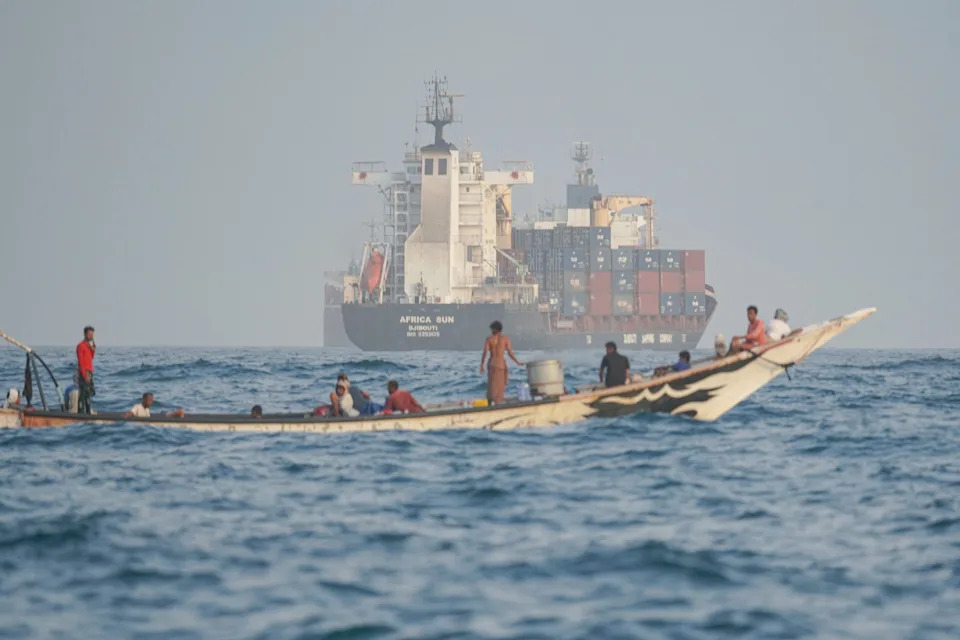
AFP via Getty Images - PHOTO: People sail their boats past container ships anchoring near the Strait of Bab al-Mandeb off Yemen's coast in the Gulf of Aden, August 6, 2026.
Regional Reactions and Security Incidents
Oman has warned against actions that could derail ongoing negotiations and said talks were proceeding in a 'positive and constructive atmosphere.' The United Arab Emirates condemned what it described as an Iranian missile strike on a vessel affiliated with the Abu Dhabi National Oil Company (ADNOC), calling attacks on commercial shipping 'acts of piracy' and urging restraint. No injuries were reported in that incident.
The Islamic Revolutionary Guard Corps (IRGC) framed the Strait of Hormuz as a strategic instrument of Iran's geopolitical reach. IRGC and other Iranian officials stressed that the conditions and timing for any reopening depend on the extent to which the United States accepts Iran's demands and ceases what Tehran calls interventionist behavior.
U.S. Position and Next Steps
U.S. Vice President J.D. Vance said negotiations had progressed but warned the conflict was not over, describing an array of diplomatic, economic and military tools being applied. He said current talks focus on conditions to 'maximize oil and gas' flow through the strait to ease energy prices for U.S. consumers and rejected the notion that the United States has accepted Iranian control of navigation lanes.
As mediators work to bridge differences, both sides describe progress while stressing that no final deal has been reached. Observers say any durable resolution will require concrete, verifiable steps from Tehran and reciprocal assurances or concessions from Washington and regional partners.
Help us improve.