California has expanded and permanently established its Farm to School program, linking about 500 school districts with nearly 600 small farmers and funding food hubs, kitchen upgrades and staff training. The state has invested over $1 billion in healthier school meals since 2021, and estimates each dollar spent returns $2.10 in local economic activity. Districts report higher student meal acceptance, more staff hours, and steadier markets for farmers.
California Makes Farm-to-School Permanent and Expands Local Food Partnerships
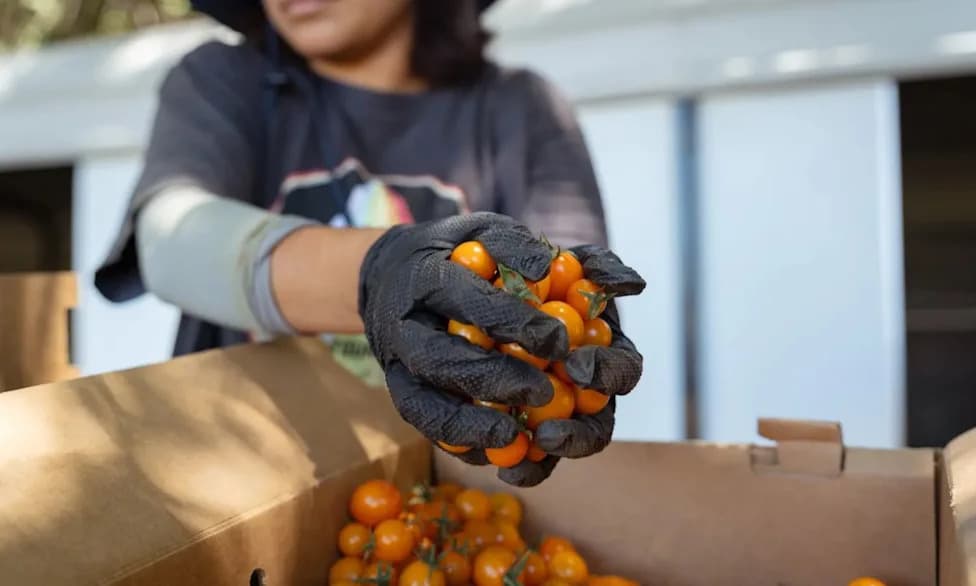
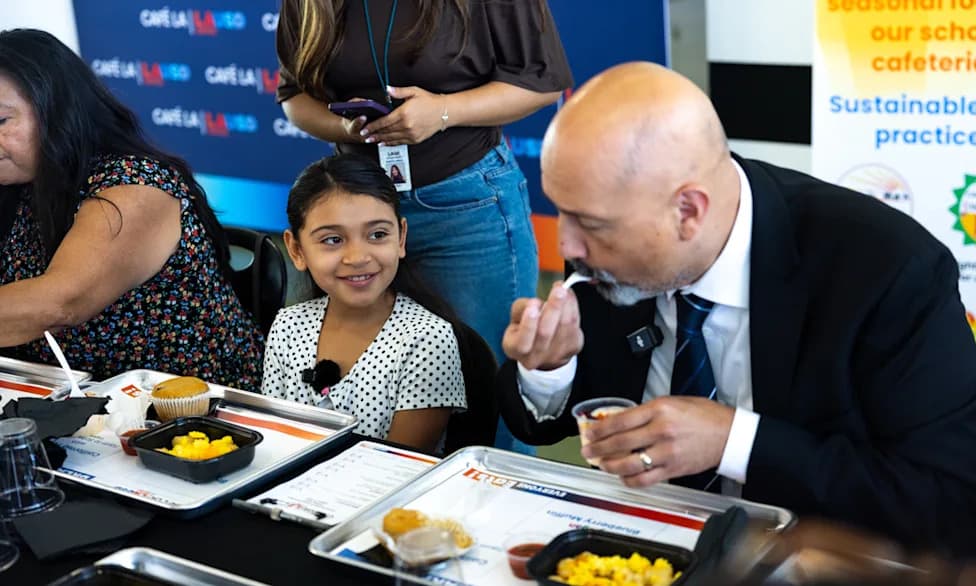
Across school cafeterias from Lake Tahoe to Los Angeles, students are sampling new fruits and vegetables — from red, hairy rambutans to vine-ripened cherry tomatoes — and asking for seconds. Middle-schooler Gage Gautheier captured the change simply: 'I have literally never heard anyone complain about the food.'
What the Farm to School Program Does
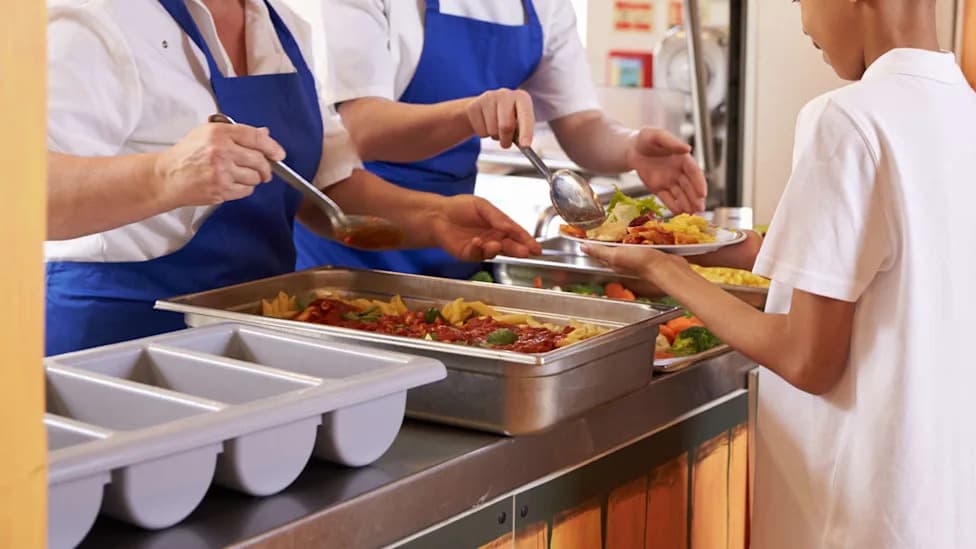
California's Farm to School program, launched in 2021 and recently made permanent within the Department of Food and Agriculture, connects roughly 500 school districts with local farmers, ranchers and food producers to supply fresh, locally grown meals to students. The initiative provides grants for local food purchases, funds food hubs that manage ordering and delivery, pays for kitchen upgrades and culinary training for cafeteria staff, and supports farm field trips and educational activities.
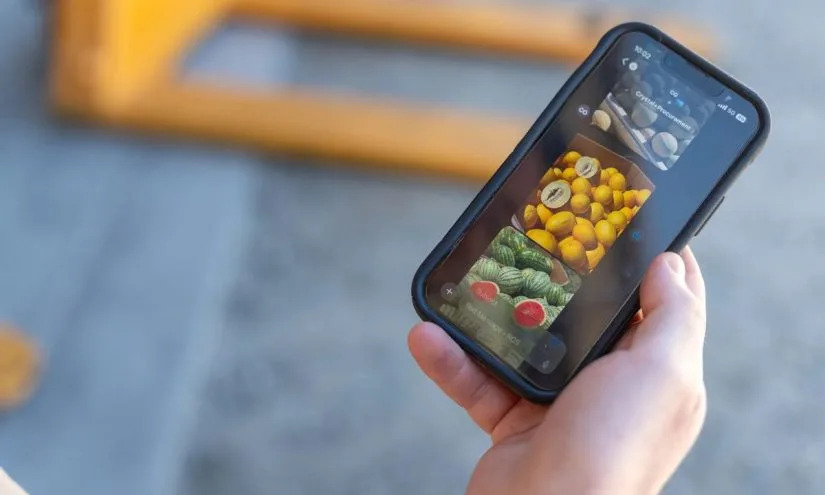
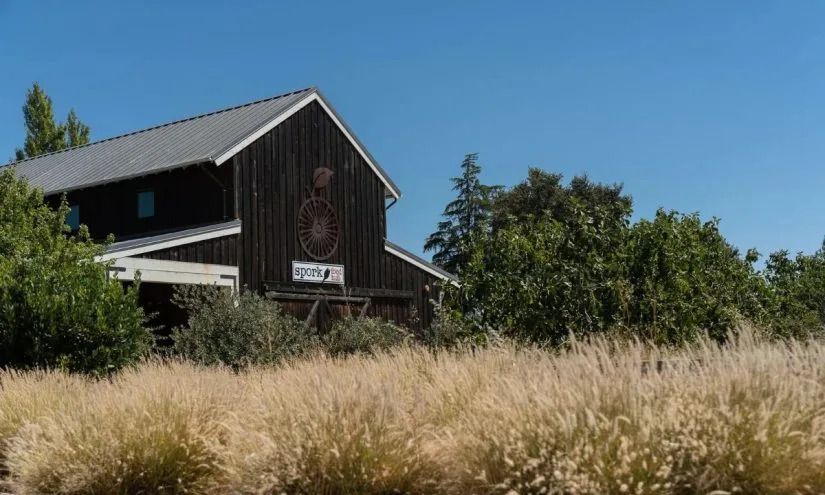
First:The Spork Food Hub warehouse, surrounded by an orchard, in Davis on July 28, 2026.Last:Jacob Weiss, the general manager of Spork Food Hub in Davis, messages directly with a local farmer about ripening crops on July 28, 2026. (Photos by Anna Hoch-Kenney, CalMatters)
'I'm so relieved the state decided to step it up and make this program permanent,' said Christina Lawson, director of nutrition services at Western Placer Unified. 'That's been my abiding fear — that our funding would dry up after all this work we've done.'
How Food Hubs Help
One key element is funding for food hubs that act as intermediaries between schools and small farms. Hubs place orders, coordinate deliveries and handle much of the paperwork that can overwhelm nutrition teams. Spork Food Hub in Davis, for example, partners with more than 100 small farms and about 40 school districts statewide. At peak, crews deliver up to 120 tons — roughly 720 truckloads — of produce each week to school kitchens.
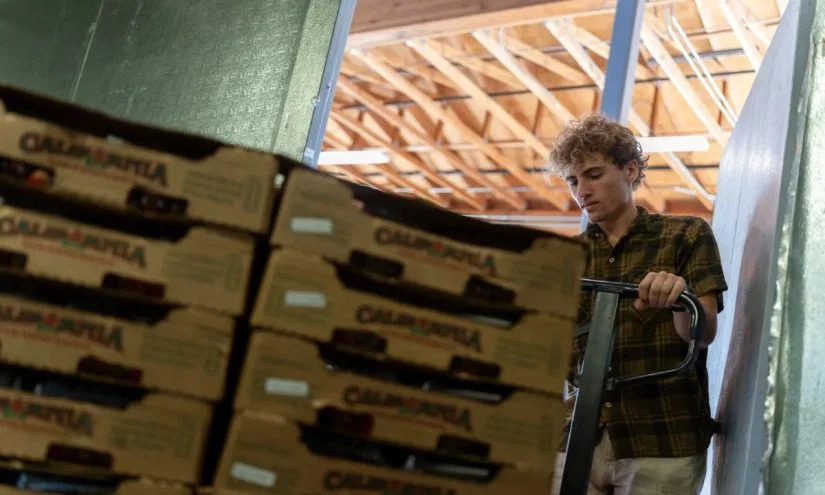
Warehouse Supervisor Lucas Morace removes a pallet of strawberries from a walk-in refrigerator to prepare for delivery at the Spork Food Hub warehouse in Davis on July 28, 2026. (Photo by Anna Hoch-Kenney, CalMatters)
'What we're trying to do is change kids' eating habits at a young age by showing them how great fruits and vegetables can be,' said Jacob Weiss, Spork's general manager. 'People think kids don't like vegetables, but we found that if you give them fresh, delicious vegetables, they love it.'
Benefits For Farmers, Staff And Students
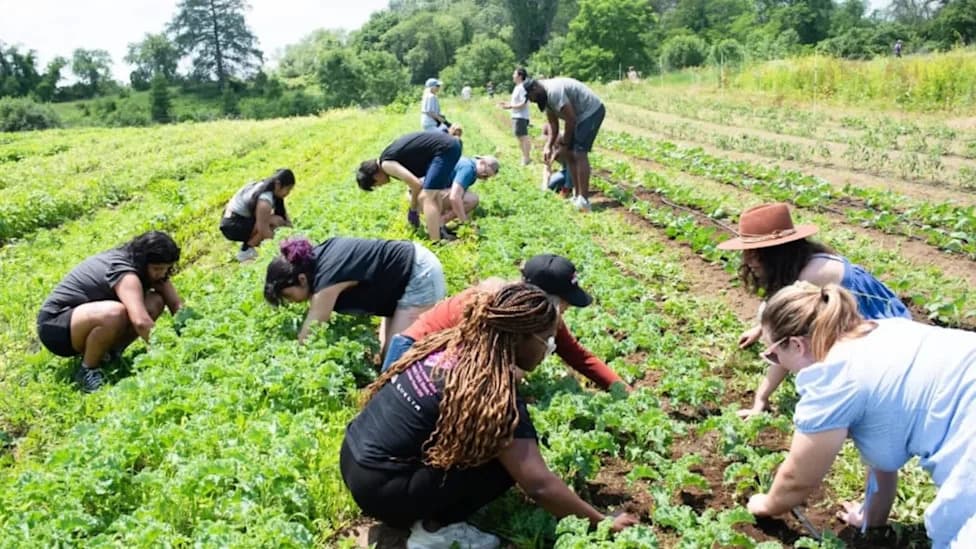
The program also stabilizes sales for nearly 600 small farmers statewide by guaranteeing predictable demand. Patrick Bollinger of Foothill Roots Farm in Meadow Vista said reliable orders let him plan crops and expand operations: 'If we get an order for watermelon radishes, I know we'll be able to sell them before we even get the seeds in the ground.'
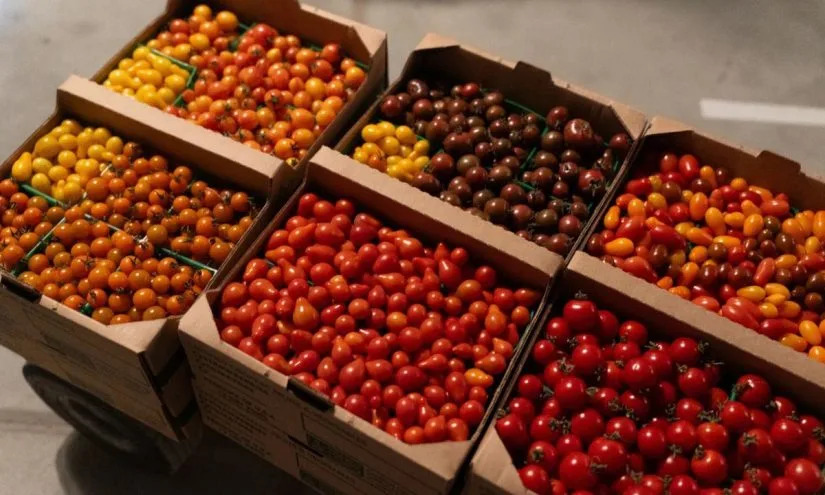
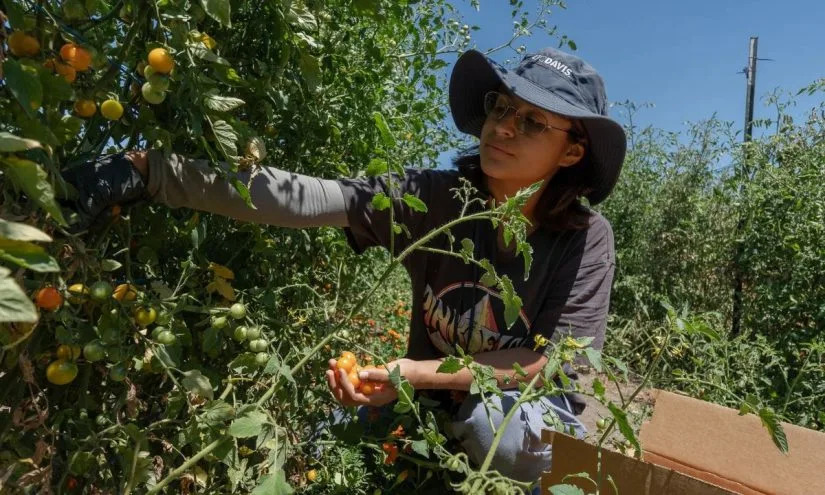
First:Daniela Castillo, manager at Fiery Ginger Farm in West Sacramento, picks sungold tomatoes on July 28, 2026. Fiery Ginger Farm is one of over 100 small local farms that partner with Spork Food Hub.Last:A cart of ripe tomatoes stays cool in a walk-in refrigerator at the Spork Food Hub warehouse in Davis on July 28, 2026. (Photos by Anna Hoch-Kenney, CalMatters)
State estimates show every dollar spent through Farm to School generates about $2.10 in local economic activity. Farmers say the program has allowed them to retain more employees, lease additional land and diversify crops without risking market losses.
Cafeteria staff have also benefited. With more scratch cooking and local ingredients, workers gain new skills, more hours and often higher pay. Districts report higher student acceptance of meals — from kale Caesar salads and mango lassis to locally made tortillas and pupusas — and greater pride in school food programs.
Investments And Goals
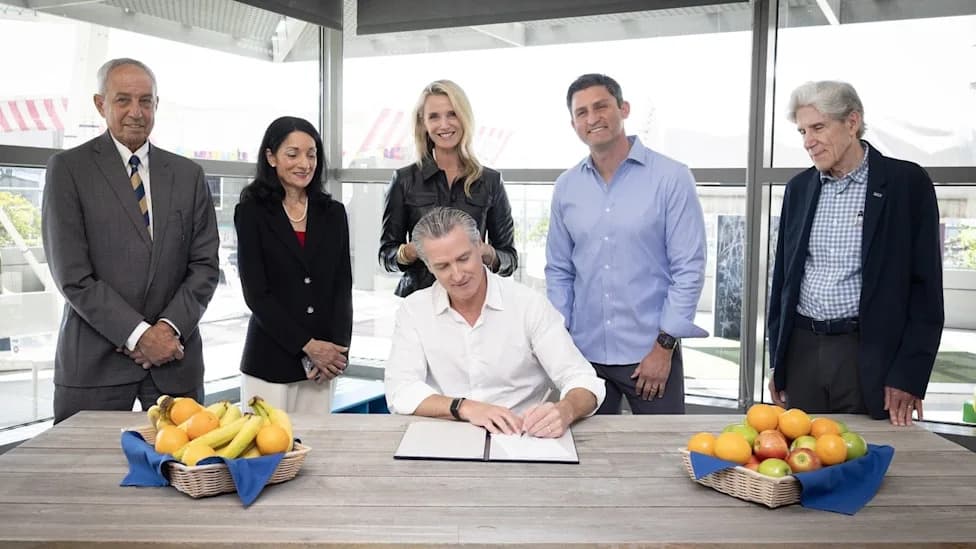
Since 2021, California has invested more than $1 billion in healthier school meals through grants, kitchen upgrades and related supports, and the state emphasizes regenerative, locally grown food as part of a broader effort to set a national standard for school nutrition.
First Partner Jennifer Siebel Newsom, a longtime advocate for the overhaul, said the goal is to ensure 'every California child has access to nutritious, locally grown, regenerative organic meals that fuel their full potential.' Officials say the permanent program will help sustain progress and expand benefits for students, farms and communities.
Credit: This article was originally published by CalMatters and is republished under a Creative Commons Attribution-NonCommercial-NoDerivatives license.
Help us improve.