Beta Technologies introduced the MV250, a hybrid-electric autonomous VTOL cargo aircraft, at the Farnborough Airshow. The MV250 can carry up to 2,000 lb (1 ton) to targets within a 250-nautical-mile tactical radius and has a repositioning range of about 1,300 nautical miles when empty. Powered by a GE Aerospace turbogenerator and built with a bonded-composite fuselage, the design aims to reduce maintenance and speed production for battlefield logistics.
Inside the MV250: Beta Technologies’ Autonomous Hybrid VTOL Cargo Aircraft For the Battlefield
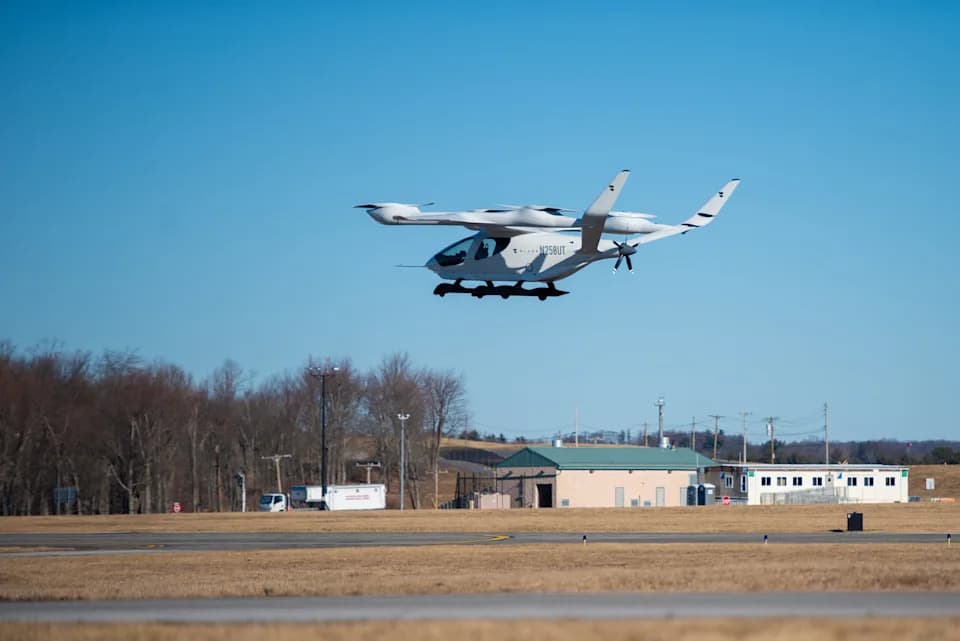
Beta's Alia-250 eVTOL during a test flight in 2023.Tiffany Hagler-Geard/Bloomberg via Getty Images
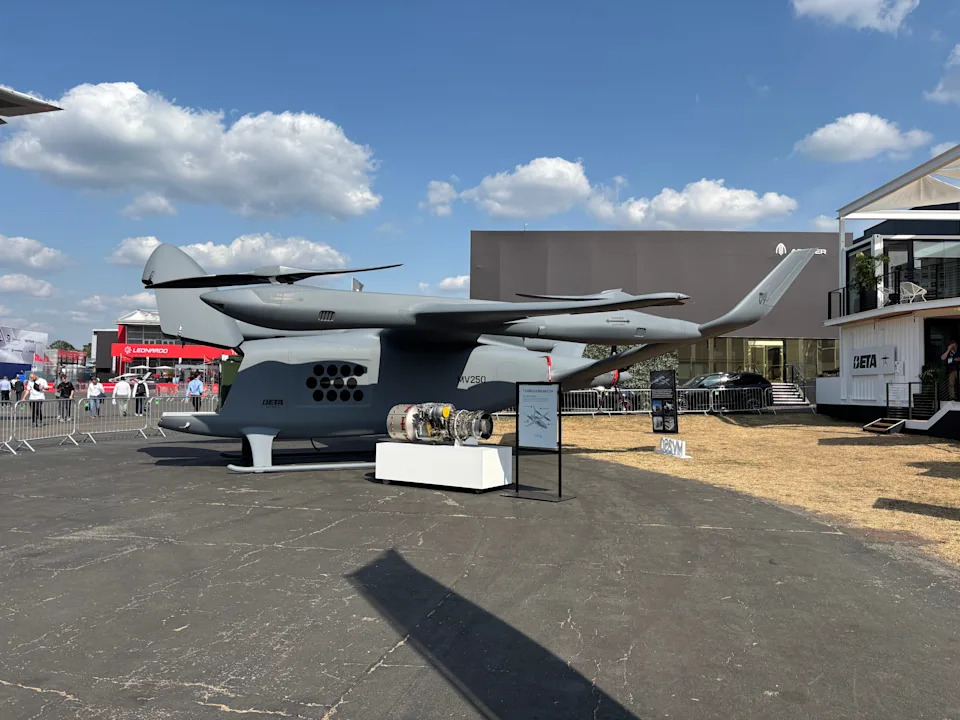
Beta Technologies unveiled the MV250 at the Farnborough Airshow in July, pitching a hybrid-electric, autonomous vertical-takeoff-and-landing (VTOL) cargo aircraft designed for contested logistics and high-risk resupply missions.
Pete Syme/Business Insider
What the MV250 Is Designed To Do
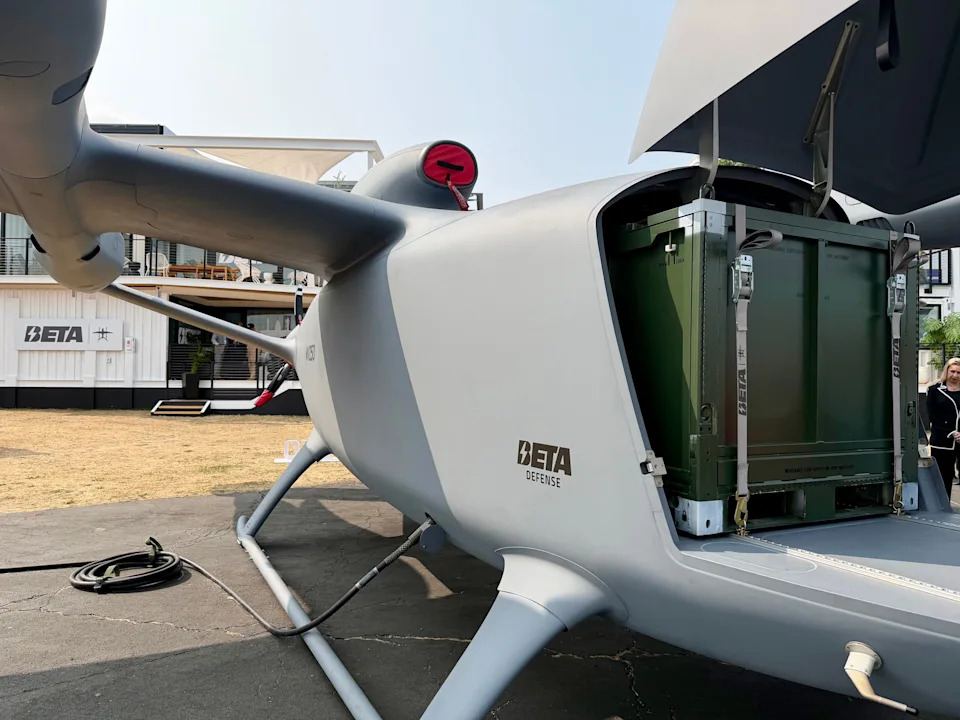
The MV250 is a purpose-built cargo VTOL that combines vertical lift with efficient forward flight. Rather than carrying passengers or pilots, its nose opens to a cargo bay capable of holding up to 2,000 pounds (1 ton) of equipment, medical supplies, munitions, or other critical materiel. Beta claims the MV250 can deliver that payload to locations within a 250-nautical-mile tactical radius and return to base, and when empty it has a repositioning range of about 1,300 nautical miles.
Taylor Rains/Business Insider
Propulsion, Power, and Ground Roles
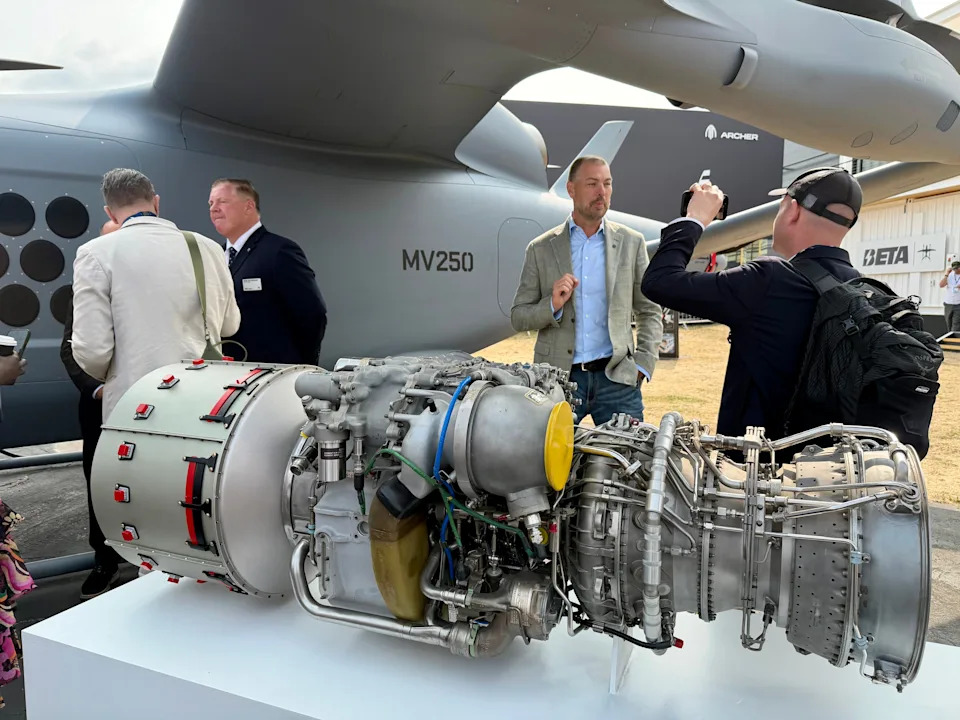
The MV250 uses a hybrid-electric architecture. A turbogenerator developed in collaboration with GE Aerospace provides electricity to the aircraft's electric motors, a setup Beta says delivers greater speed and endurance than conventional helicopters. The turbogenerator also enables the MV250 to serve as a mobile power source on the ground — capable of running radar, antennas, or other systems.
Taylor Rains/Business Insider
Manufacturing and Maintenance Advantages
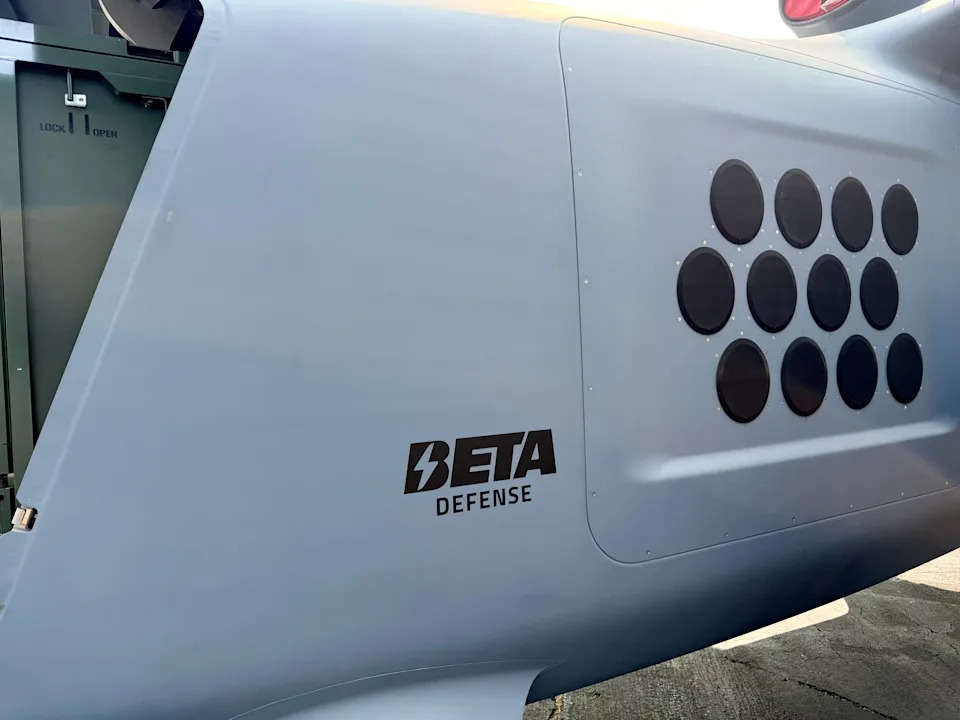
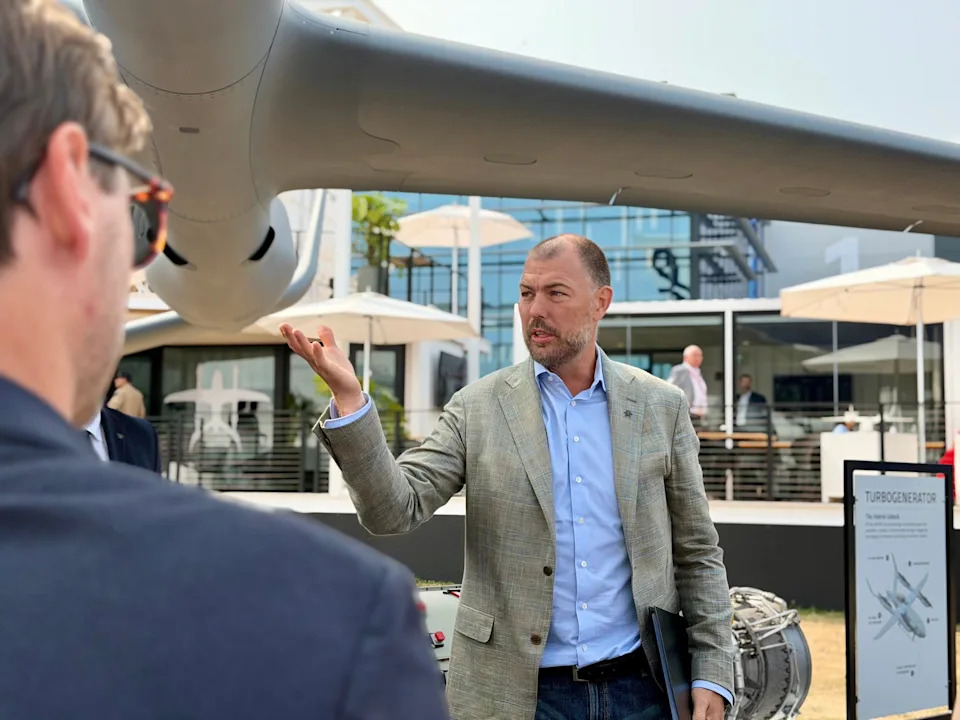
Beta highlighted a bonded-composite fuselage that avoids conventional fasteners, a choice the company says will speed production and cut costs. An executive described the manufacturing process metaphorically as producing parts "in a panini press," suggesting significantly reduced cycle times. The company has also eliminated complex mechanical systems such as gearboxes, hydraulics, and articulating rotors to reduce maintenance burdens and increase operational availability.
Taylor Rains/Business Insider
Autonomy and Operational Context
“Why do we all want autonomy? I'm a pilot. No pilot wants to see their job go away,” said Gen. Jim McConville, a former U.S. Army chief of staff and Beta board member. “But what we want to do is give commanders the ability to go into situations at extremely high risk.”
That capability is timely: forces in Ukraine and elsewhere are increasingly using aerial drones and ground robots for logistics tasks that have become too risky for personnel. Some military planners envision machines taking on a far larger share of battlefield logistics, and Beta positions the MV250 as a platform that can move supplies without putting crews in harm’s way.
Taylor Rains/Business Insider
Market Outlook and Industry Reception
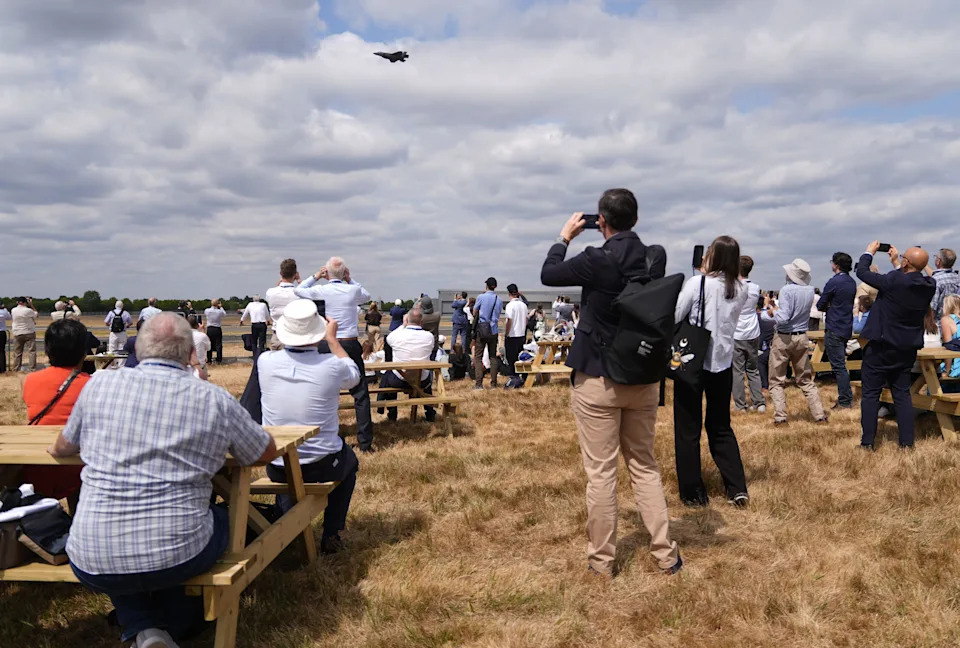
Although Beta developed its core technology for civilian electric aircraft and air-taxi markets, company leaders believe defense customers may adopt vertical-lift autonomy sooner. The MV250 debuted at a Farnborough Airshow dominated by defense exhibitors and heightened global interest in cheaper drones, autonomous systems, and novel logistics solutions. Organizers reported roughly 1,600 exhibitors — about half from defense — and over 140,000 visitors, underlining the sector’s momentum.
Andrew Matthews/PA Images via Getty Images
Why It Matters
The MV250 packages autonomy, hybrid-electric propulsion, simplified manufacturing, and a logistics-focused airframe into a mission-oriented aircraft. If its performance and sustainment claims hold up in service tests and real operations, the platform could offer militaries a faster, lower-risk way to move supplies into contested or dangerous environments.
Outlook: The MV250 is an early example of the widening overlap between civil eVTOL innovation and defense needs. Adoption will depend on field trials, certification and procurement cycles, and how militaries weigh the platform’s range, payload, and survivability in contested airspace.
Help us improve.