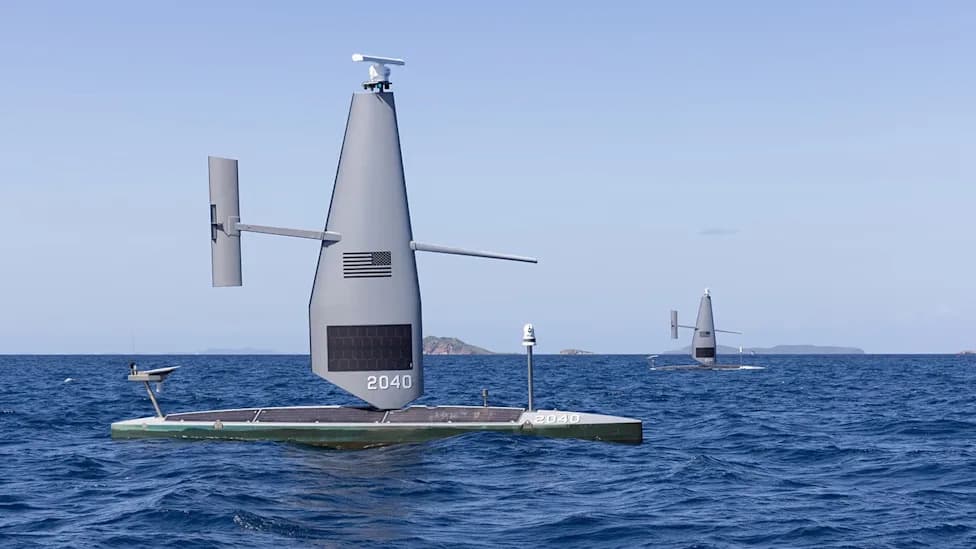
Two Saildrone Voyager unmanned surface vessels tracked a suspect ship that led to a US Navy interception and the seizure of more than $81 million in cocaine in the Caribbean Sea. The 10-meter, electric-powered Voyagers can remain on station for over 100 days and carry advanced surveillance sensors. Saildrone says Voyager is the only unmanned vessel operating continuously with the Navy's Fourth Fleet and has a $16.3 million task order to expand patrols. While Voyagers reduce risks to crewed forces, whether they can fully replace manned ships for high-risk interdictions remains under discussion.
Saildrone Voyagers Help US Navy Intercept $81M Cocaine Shipment in the Caribbean
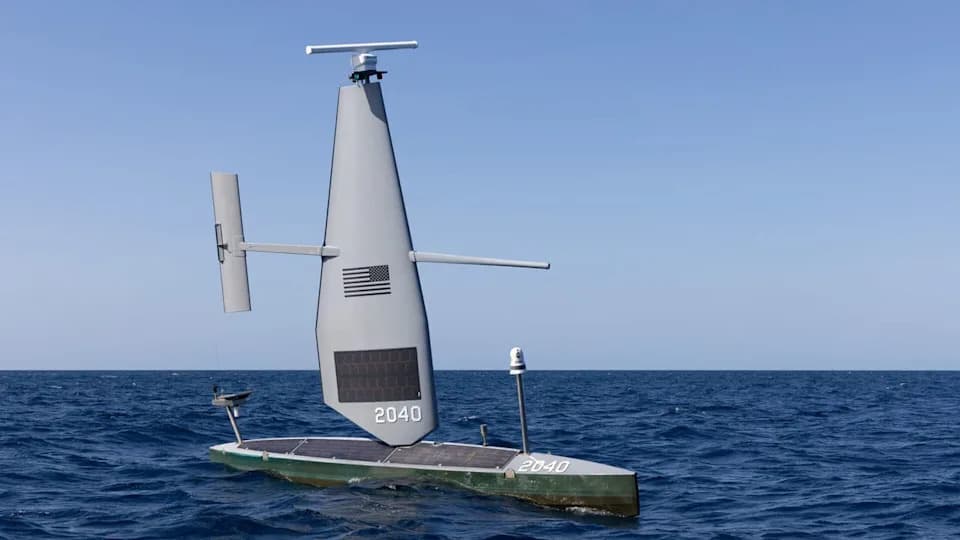
Credit: Breaking Defense
Credit: Breaking Defense
Two Saildrone Voyager-class unmanned surface vessels played a direct role in a US Navy interdiction that led to the seizure of more than $81 million worth of cocaine in the Caribbean Sea. The autonomous boats tracked a suspicious vessel and relayed real-time information to nearby naval forces, enabling a Navy ship to move in and seize the illicit cargo.
How the Interception Worked
The two Voyagers observed and trailed the vessel of interest before coordinating with naval command. Their persistent surveillance and secure communications gave the Navy actionable intelligence so a crewed ship could intercept the suspect craft quickly and safely.
About the Voyager Platform
The Voyager measures just over 10 meters (33 feet) in length and is electric-powered rather than relying on conventional fuel. Saildrone says the platform can remain on station for more than 100 days between port visits and is configured to carry a wide range of advanced sensors for maritime surveillance missions.

Google logo on a black background next to text reading 'Click to follow TechRadar'
Saildrone describes Voyager as a high-capacity, purpose-built asset for sustained, long-range ocean monitoring. According to the company, Voyager is the only unmanned surface vessel conducting continuous operations with the US Navy's Fourth Fleet, which covers the Caribbean and parts of the Atlantic and Pacific near Central and South America.
Partnership With the US Navy
The US Navy previously awarded Saildrone a task order worth $16.3 million to expand Voyager operations across the Caribbean and the Eastern Pacific. That work targets drug trafficking and other illicit activities on international waters. Saildrone says its persistent presence acts as a deterrent and enhances maritime domain awareness for partner forces.
"The continuity of Saildrone's presence along the southern border for nearly three years demonstrates the strategic value we bring as the world's most experienced operators of unmanned surface vehicles," said John Mustin, President of Saildrone. "Our unmatched ability to remain on station and on mission in critical regions for months at a time is why our fleet serves as a powerful deterrent to bad actors."
Limitations and Strategic Questions
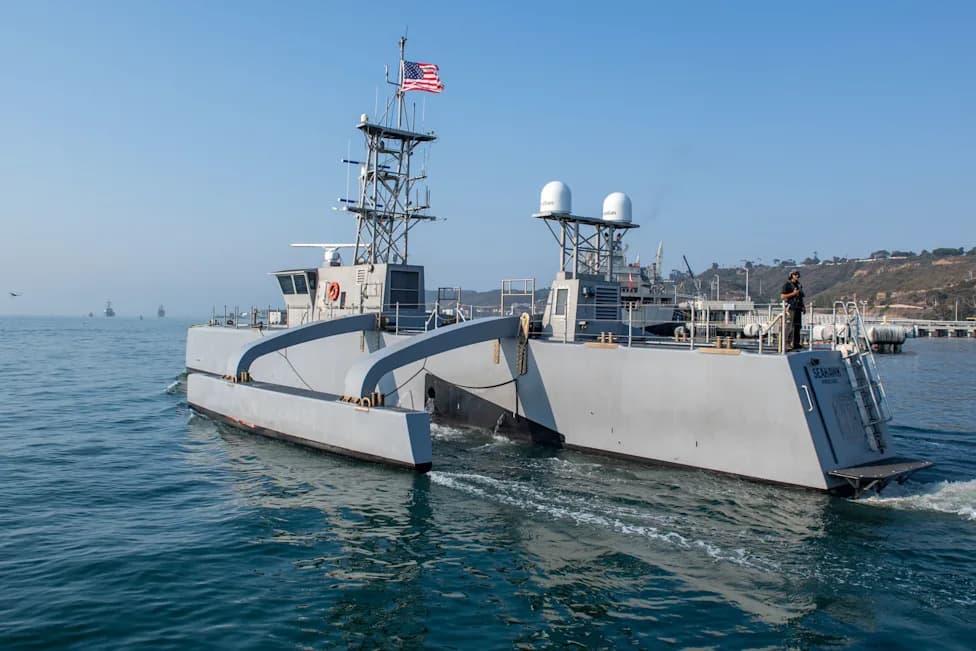
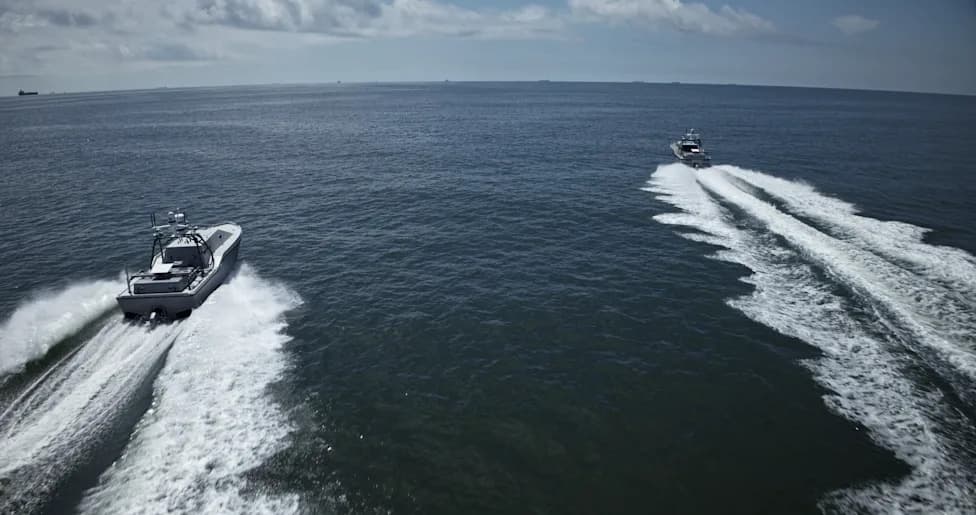
Although the incident highlights how unmanned surface vessels can contribute to real operational missions, whether autonomous boats can fully replace crewed ships for the riskiest interdictions remains an open question for naval planners. What is clear is that such systems reduce risk to personnel by conducting prolonged surveillance and tracking, allowing manned units to perform the final interdiction when appropriate.
What began as a concept closer to basic coastal drones has evolved into a sophisticated tool used in international drug enforcement and maritime security operations.
Help us improve.