UNESCO placed Sebastia on both the World Heritage List and the List of World Heritage in Danger after Israeli authorities announced plans to expropriate roughly 450 acres around the ancient ruins for a proposed national park. Palestinians say the move severs local access and threatens livelihoods, while Israel says the measures aim to preserve and develop the sites. Similar expropriations, including about 80 acres at Herodium, have prompted legal and political objections from Palestinian officials and Israeli watchdog groups. Critics warn archaeology is being used to justify territorial control and to reshape access to heritage.
Accusations Grow That Archaeology Is Being Used To Justify West Bank Land Seizures — Sebastia Added To UNESCO Danger List
[Reuters]
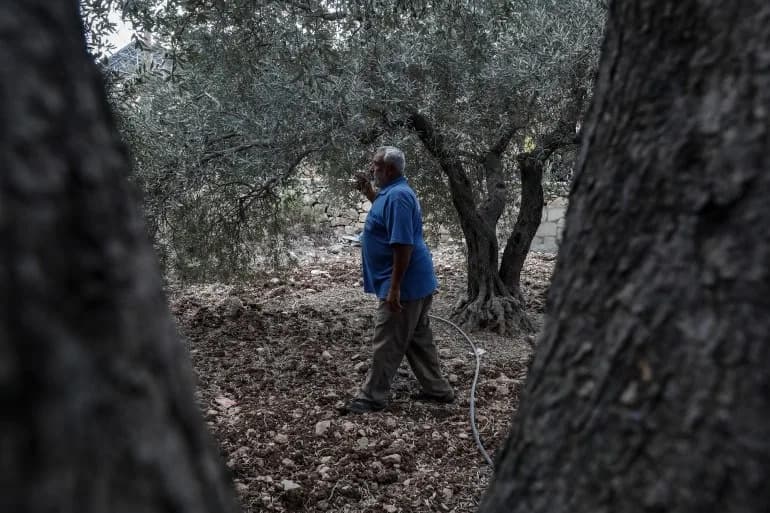
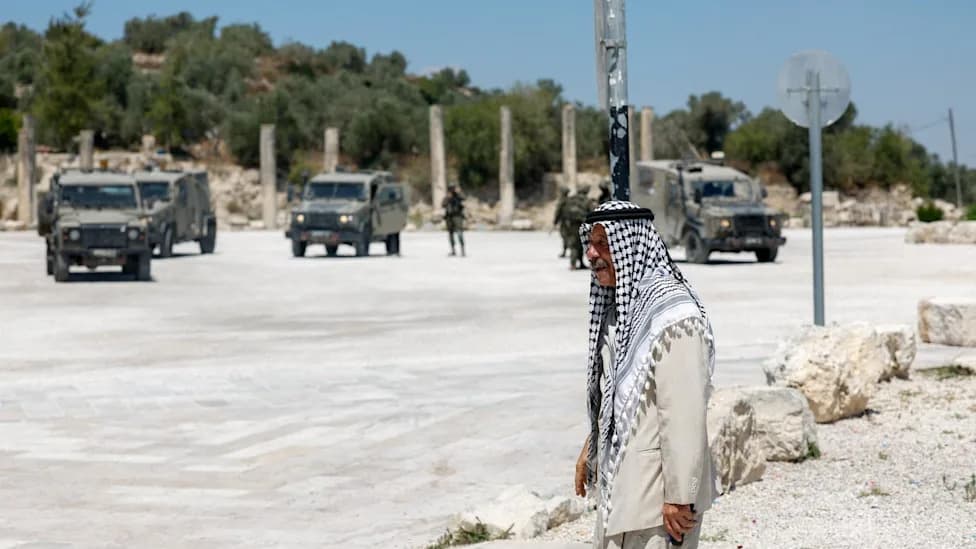
Above the Roman columns at the archaeological site of Sebastia in the occupied West Bank, generations of Palestinian families have tended olive groves. Now a number of landowners say they have been told that roughly 450 acres around the site will be taken over by Israeli authorities to 'protect and develop' a proposed national park.
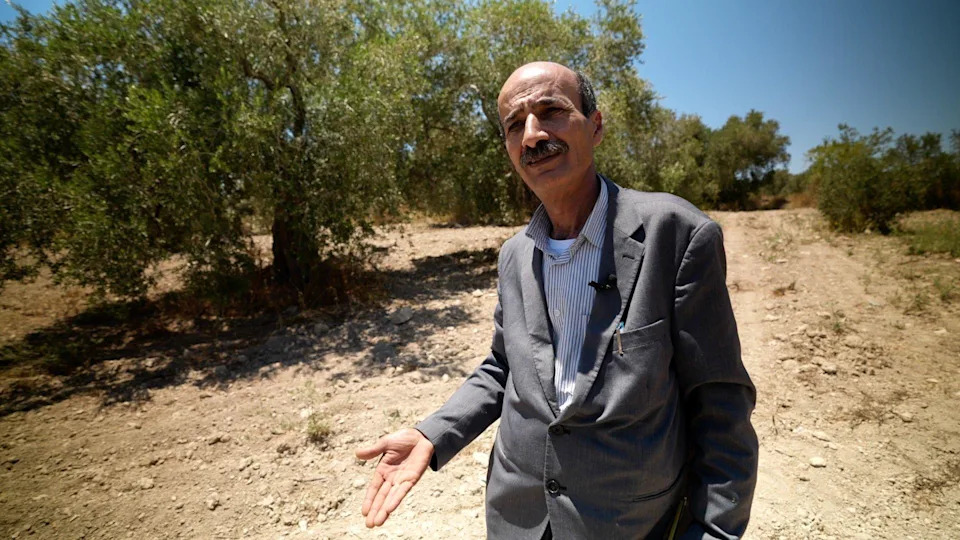
Abu Mudif says his land is part of a tranche of about 450 acres being expropriated by Israeli authorities [BBC]
What Is Happening At Sebastia?
Local residents report receiving notifications that their fields, farmland and businesses are affected. Many Palestinians reject compensation offers because accepting payment would, in their view, legitimize the loss of family land. For one landowner, Abu Mudif, the impact is intimate as well as economic: he says losing his land feels like 'having your soul ripped away.' A nearby restaurant owned by Nahed Sakha faces demolition, and villagers say restoration and excavation work has already begun while landowners were told they may no longer plough or use their fields.
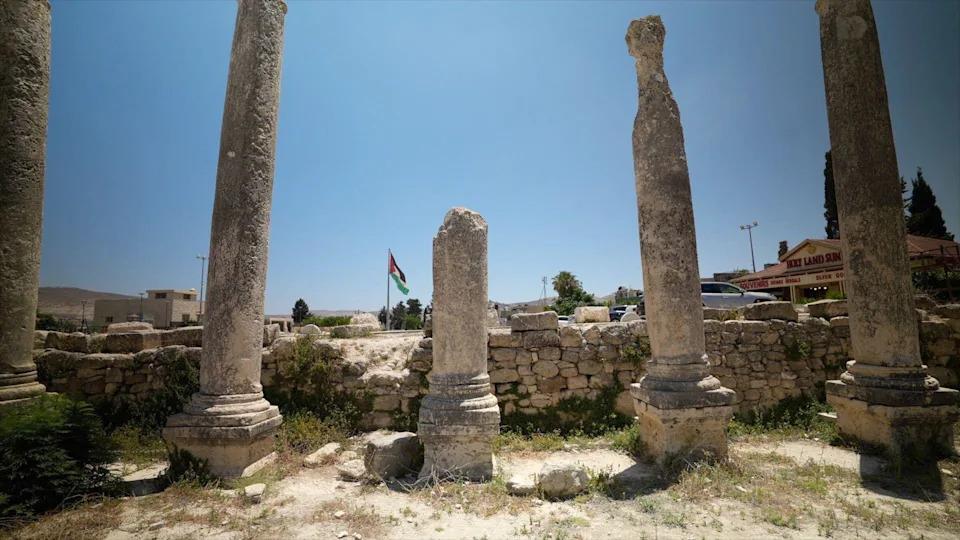
Unesco added Sebastia to its World Heritage List on 25 July following an emergency procedure [BBC]
International Response
On 25 July, UNESCO added Sebastia to the World Heritage List and, through an emergency procedure, placed the site on the List of World Heritage in Danger. UNESCO warns that the principal threat is the proposed expropriation and creation of the 'Samaria' (Shomron) national park, a move it says could split the property and limit access and management by the local community.
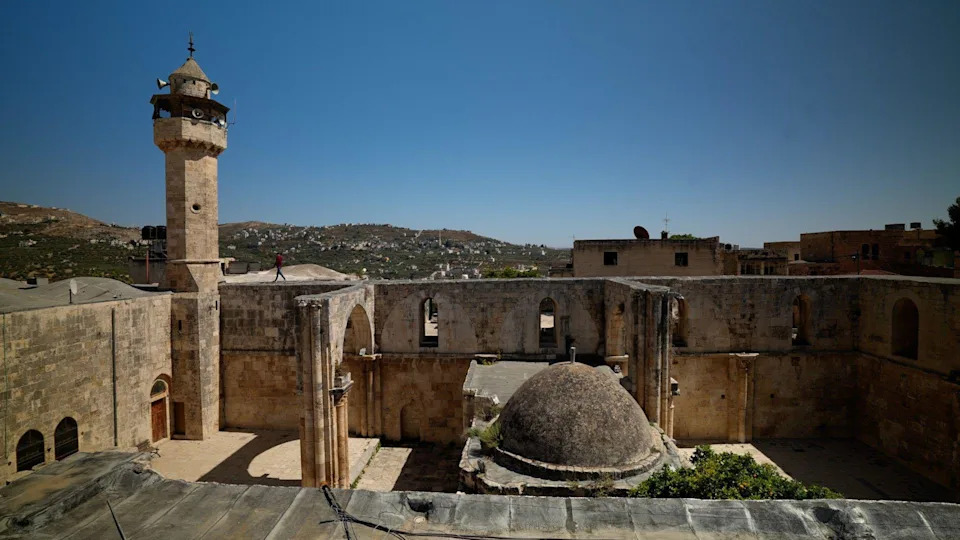
The Cathedral of St John the Baptist/Mosque of Nabi Yahya is part of the Unesco-listed site [BBC]
Local Access And Administrative Complexity
The site straddles Area B and Area C — the administrative divisions used in the West Bank — which complicates who can manage and access the ruins. The village mayor, Mohammed Azem, says residents now hesitate to enter the ruins to tidy or maintain them because doing so could lead to confrontations with Israeli security forces or settlers.
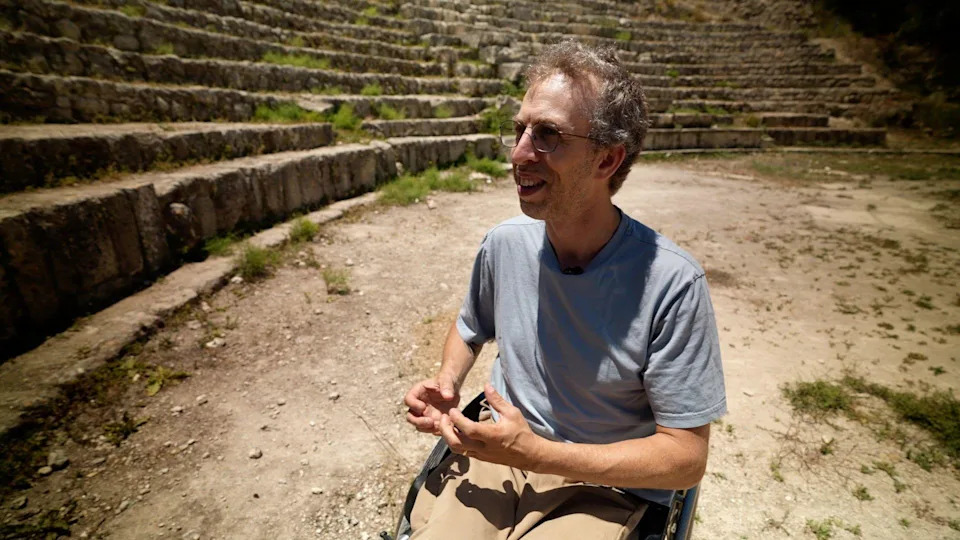
Israeli activist Alon Arad says archaeology is being used as pretext by Israeli authorities to seize land [BBC]
Funding And Wider Expropriations
Israel recently allocated about 113 million shekels (approximately £27.8m) to expand control over archaeological projects in the West Bank, and officials say some funds will support sites nominally administered by the Palestinian Authority. Further south, near Bethlehem, about 80 acres around Herodium — the hilltop palace built by King Herod — have also been earmarked for expropriation for 'preservation and development.'
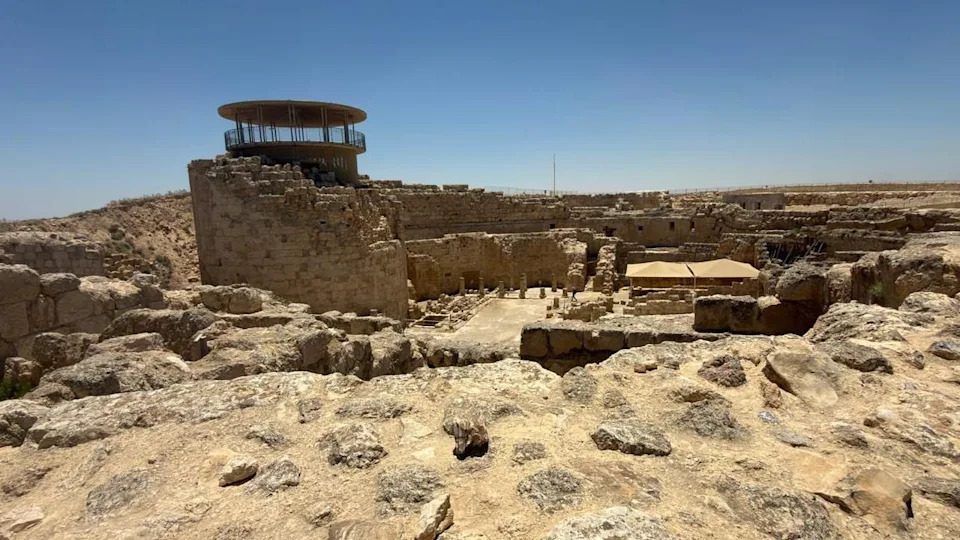
Herodium is a hilltop fortress-palace close to Bethlehem [BBC]
Competing Narratives And Legal Questions
Israeli officials and some archaeologists say the state has a responsibility to preserve antiquities and historic sites. Shmuel Browns, who led digs and tours at Herodium, says Israel feels responsible for the archaeology and artifacts of the land. Critics, including Israeli groups such as Emek Shaveh and Peace Now, argue that archaeology is being used as a pretext to extend Israeli control and to reshape narratives about historic ties to the territory.
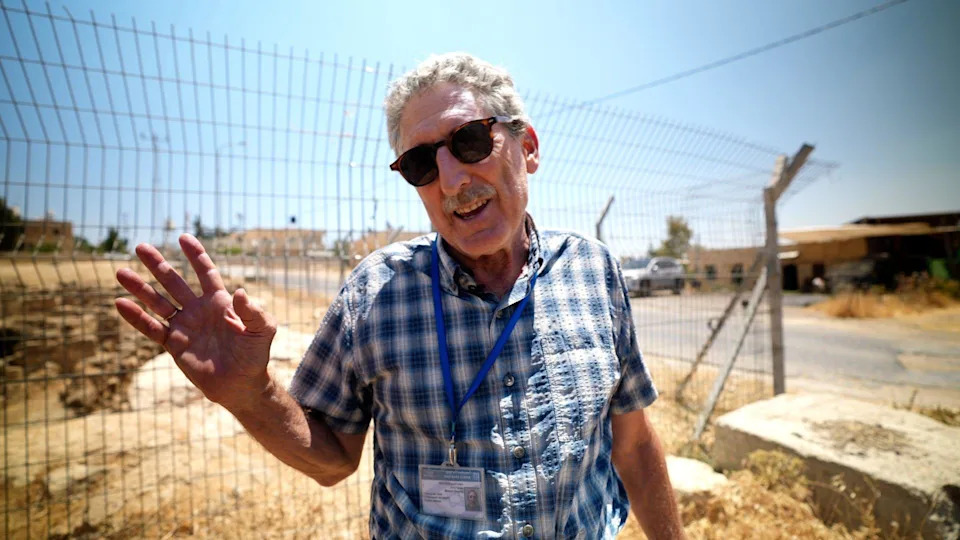
Herodium guide Shmuel Browns says Israel feels responsible to look after local archaeology [BBC]
Alon Arad, head of Emek Shaveh, says the authorities bypassed consultations with Sebastia's municipality and residents and warns that 'you use archaeology to rewrite history and to reallocate lands from Palestinian to Israeli.'
Peace Now notes that under international law and Israeli Supreme Court precedent, expropriation for the exclusive benefit of Israeli citizens is prohibited; it says the state may claim sites will serve both Palestinian and Israeli populations to justify seizures.
Legislative Moves And Political Context
A bill introduced earlier in the year would have transferred control over West Bank archaeological sites from the Civil Administration (a military body) to the Israeli Heritage Ministry and granted broader powers to seize land for 'archaeological preservation.' That bill passed a first reading but is on hold ahead of national elections and may not return.
Why This Matters
Residents of Sebastia and nearby communities fear not only economic losses but the erosion of their longstanding relationship with the land and ruins that shape daily life and identity. UNESCO's listing underscores the cultural and heritage significance of Sebastia, while activists and officials disagree sharply over who should control, manage and benefit from these sites.
Key figures: roughly 450 acres at Sebastia; 113 million shekels allocated for archaeological projects; 80 acres at Herodium. Stakeholders include local Palestinian landowners and municipal authorities, UNESCO, Israeli government ministries, and advocacy groups such as Emek Shaveh and Peace Now.
Help us improve.