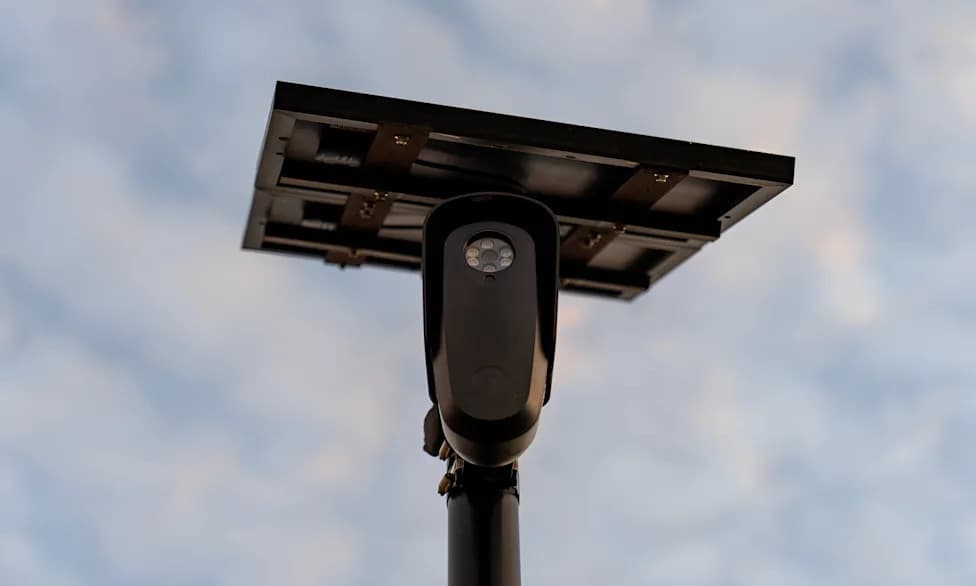
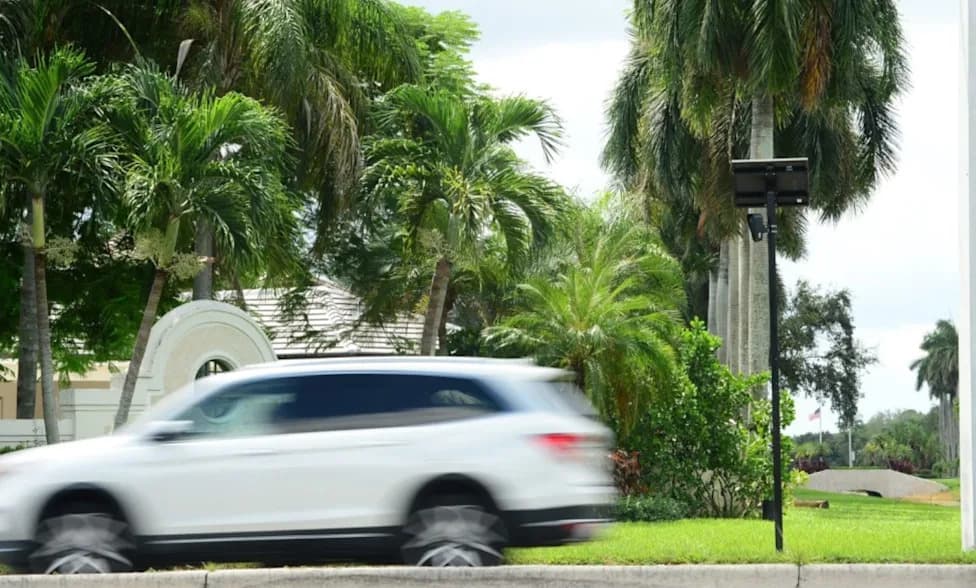
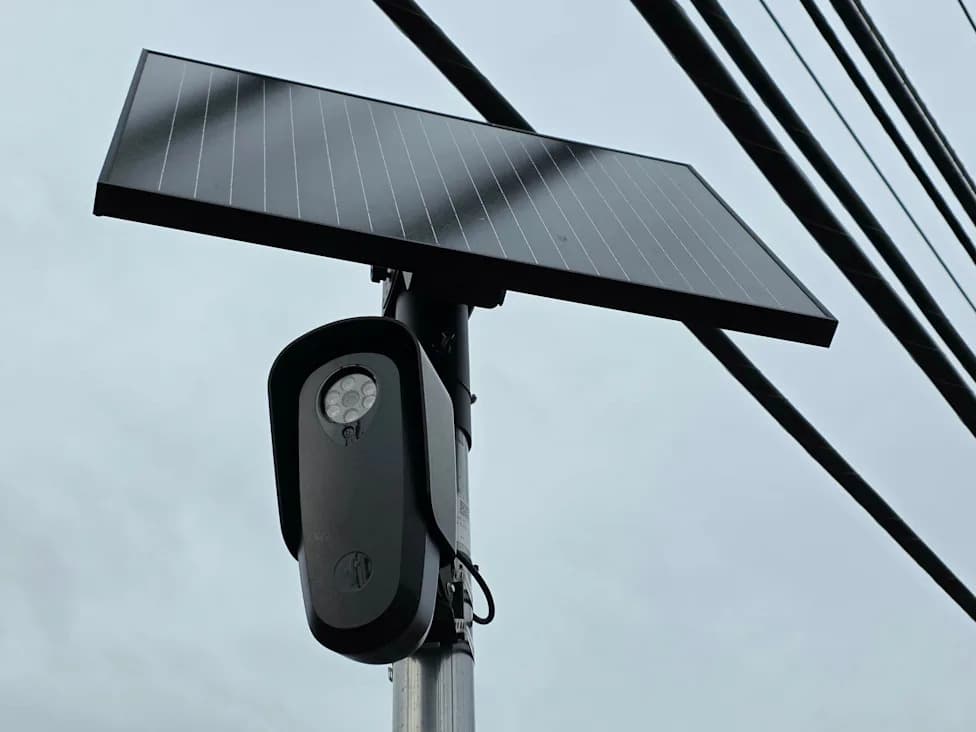
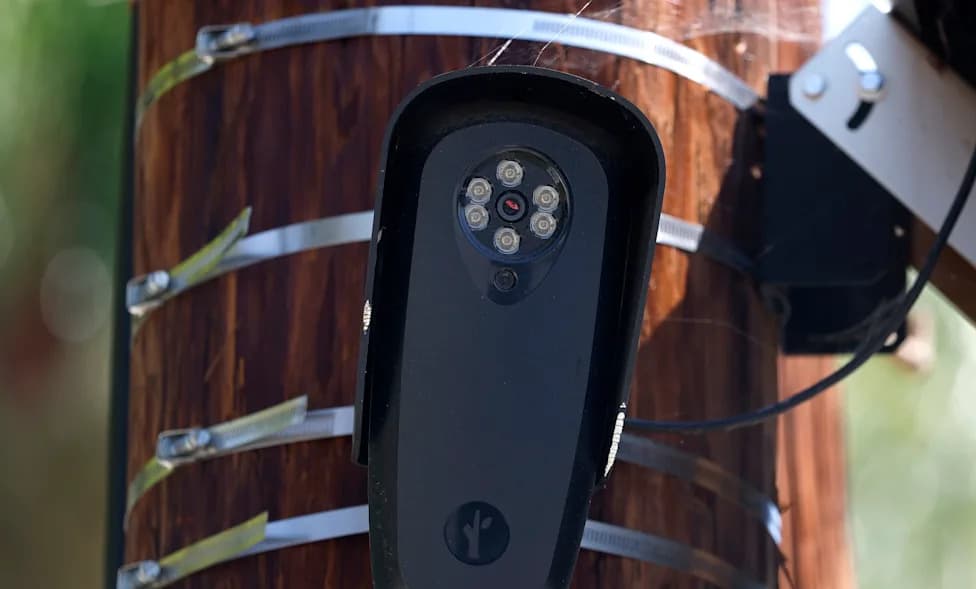
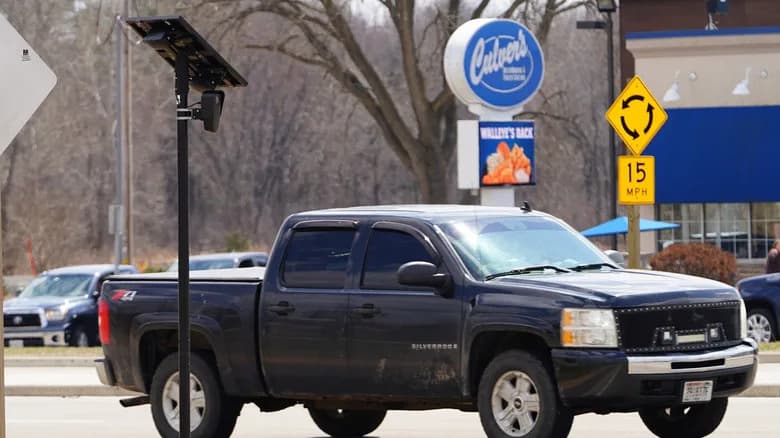
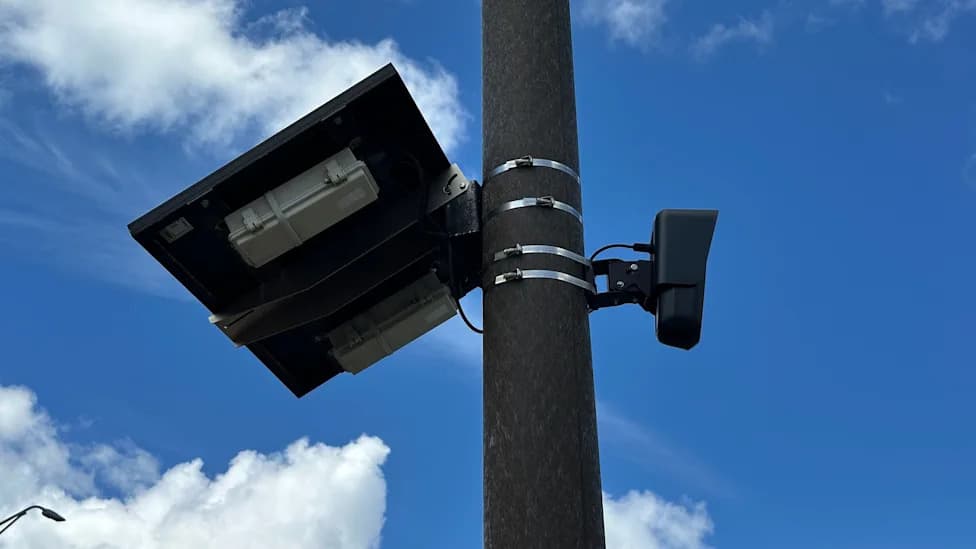
South Kingstown’s town council voted unanimously on July 27 to end its contract with Flock Safety and remove automated license-plate reader cameras, concluding the privacy risks outweighed policing benefits. Town officials confirmed eight cameras were approved and seven were operating, and the trial period began after the first camera was validated on Feb. 19. Despite company assurances — 30-day data retention, no facial recognition and limited sharing — council members cited long-term concerns about who could access movement data in the future.
South Kingstown Votes Unanimously To Remove Flock License-Plate Cameras Over Privacy Concerns
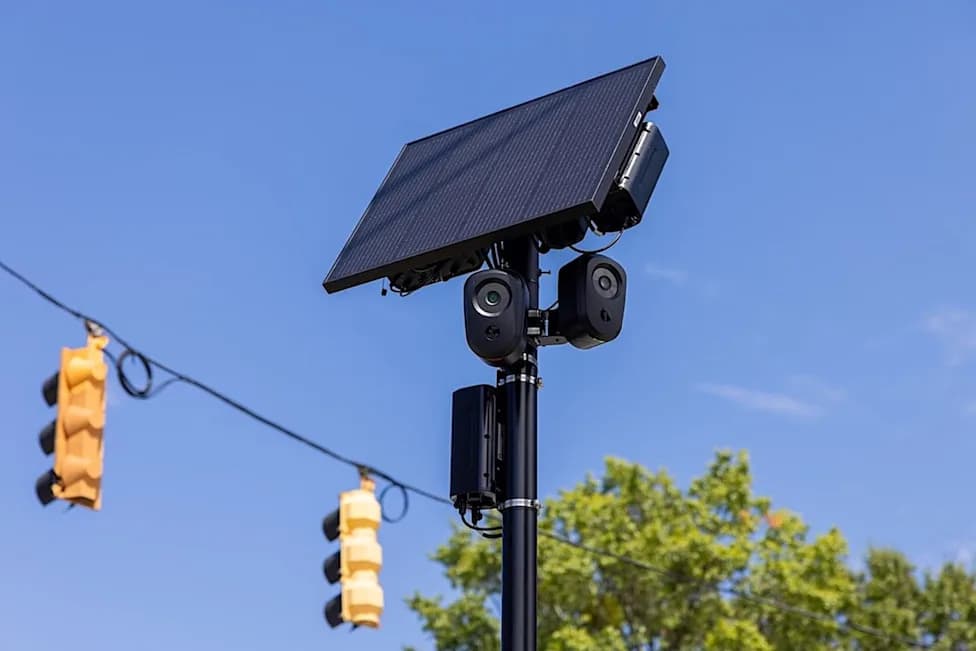
Photo Credit: Flock
South Kingstown officials voted unanimously on July 27 to terminate their contract with Flock Safety and remove the town’s automated license-plate reader (ALPR) cameras, concluding that the privacy costs outweighed the anticipated law-enforcement benefits.
A public work session held before the council vote featured representatives from both sides: Trevor Chandler, Flock Safety’s director of public affairs, and South Kingstown Police Chief Matthew Moynihan. Town Manager James Manning also provided a detailed timeline of the program’s approvals, purchases and installations.
Timeline and Technical Details
Manning said the council approved eight cameras, seven of which had been installed and were operating. The award was approved on June 23, 2025; a purchase order issued on July 8; and the agreement signed on July 16 and 17. Under the contract, the one-year trial began only after the first camera was installed and validated on Feb. 19.
Chief Moynihan defended the system as a tool for emergencies and investigations, telling the council that the cameras "absolutely work" in helping to locate vehicles and support inquiries. Chandler reiterated Flock’s safeguards, stressing that the configuration in South Kingstown did not use facial-recognition features, retained ALPR data for 30 days, and limited data-sharing through memorandums of understanding with six other Rhode Island agencies. Chandler also stated that Flock does not contract with U.S. Immigration and Customs Enforcement (ICE).
Council Concerns and Privacy Tradeoffs
Despite those assurances, council members said they were not convinced the public-safety benefits outweighed the privacy risks. Council President Rory McEntee and Councilmember Patricia Alley warned that plate-reader systems can reveal intimate movement patterns — where people work, worship, stay overnight or receive medical care — and thus pose a long-term privacy threat.
Council Vice President Michael Marran emphasized the concern was not an allegation against local police but a worry about future access: who else might be able to query the system now or later if policies, political priorities, or legal standards change.
Just because the technology exists doesn't mean we should use it, this is wrong, and we don't want to use it.
Alley summed up the council’s stance on priorities: they preferred to protect broad privacy interests over the incremental investigative gains that the cameras might provide.
Broader Local Debate
South Kingstown’s decision is part of a wider debate in Rhode Island over automated license-plate readers. Nearby Little Compton previously rejected a Flock installation, while Tiverton has moved to expand its program amid vocal resident opposition. The local discussion highlighted the governance questions that typically arise before adopting surveillance tools: how many cameras will operate, when a contract truly begins, how long data is retained, who can search it, who audits searches, and whether outside agencies could gain access later.
With the cameras set to be removed, South Kingstown leaders said their action was intended not only to protect residents’ privacy locally but also to send a message to other municipalities weighing similar surveillance technologies.
Help us improve.