California’s updated inverter rules under Rule 21 and the national IEEE 1547 standard push inverters to support voltage and frequency stability and to communicate with utilities. Critics warn these changes could narrow options for legacy backup and off-grid inverters, putting critical household loads at risk during outages. Analysts urge regulators to explicitly protect backup functionality in interconnection and equipment rules so grid safety improvements don’t come at the expense of outage resilience.
California’s Smart-Inverter Push Risks Sidelining Home Backup During Blackouts
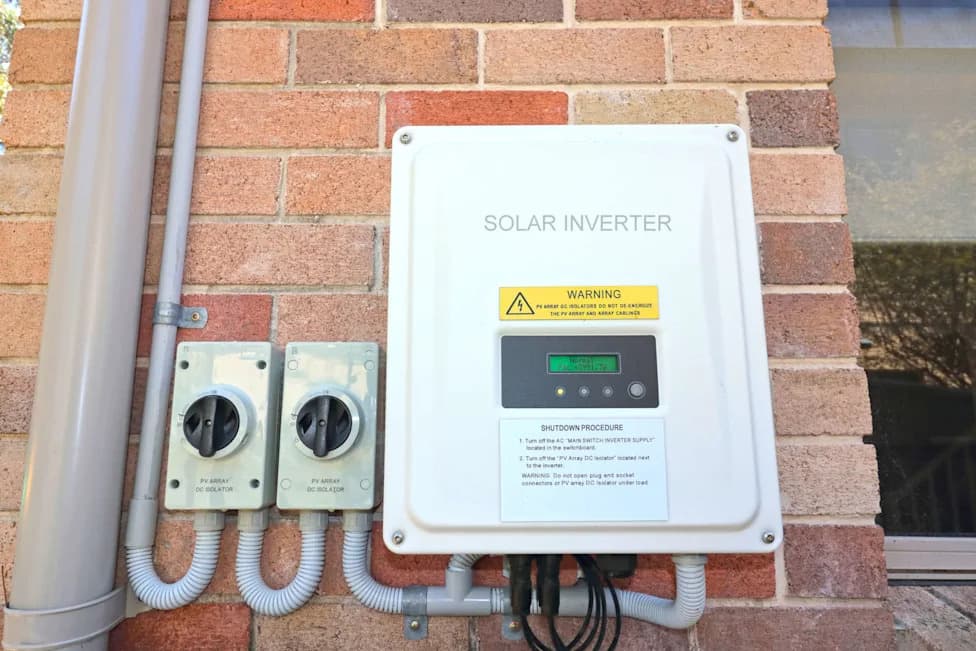
Photo Credit: iStock
California is updating technical rules for the inverters that link rooftop solar and home batteries to the grid. The stated goals are to improve grid safety, stabilize voltage and frequency, and make it easier to absorb more renewable energy. But some homeowners, off-grid advocates and policy analysts warn that the shift toward “smart” inverters could unintentionally reduce dependable backup options for families when power goes out.
What’s Changing
The California Public Utilities Commission has been phasing in smarter inverter requirements under Rule 21. These functions—mirrored in the national IEEE 1547 standard and in rules adopted by other states—encourage inverters to provide grid-support services such as automatic voltage and frequency regulation and communications with utilities.
Grid-Following vs. Grid-Forming
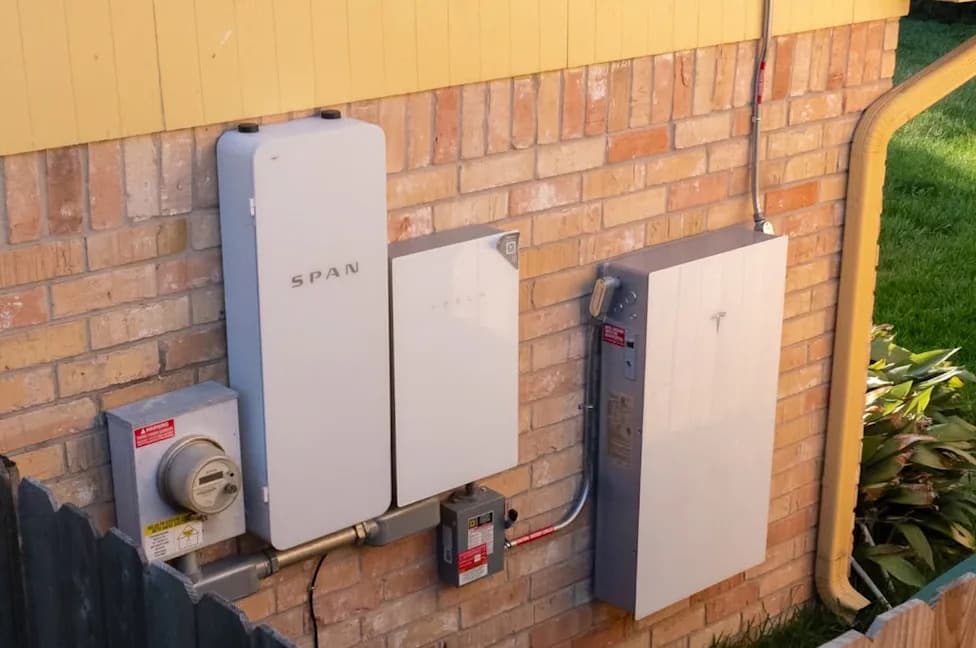
Traditional off-grid and backup inverters are often designed to form a stable local electrical reference so homes can run independently of the grid. Newer “grid-support” devices typically operate in grid-following modes, helping the utility maintain stability. Some modern inverters can do both (grid-following and grid-forming), but not all legacy backup models have that capability.
Why Some People Are Concerned
Critics say that if approved-equipment lists and interconnection rules increasingly prioritize grid-focused designs, homeowners may find it harder to obtain or replace the backup-capable equipment they currently rely on. That could have real consequences for critical household loads—refrigeration, medical devices, heating or cooling, and internet connectivity—during wildfire-related shutoffs or extended storms.
Market And Policy Implications
Manufacturers of older off-grid inverters may need costly redesigns to comply with updated standards. If legacy products disappear from mainstream markets, consumers could face fewer choices and higher prices even without an explicit ban on certain designs.
Standards groups and regulators are debating how to strike a balance: meet utility objectives for reliability and safety while preserving outage resilience for households. Policy analysts recommend explicitly accounting for backup and off-grid applications in interconnection rules, equipment standards, and approved-equipment lists so reliable backup technologies remain available.
Practical Guidance For Homeowners
Pairing solar with battery storage remains one of the most effective ways to sustain essential circuits during outages and reduce energy costs over time. Homeowners shopping for backup systems should:
- Ask installers whether inverters are grid-forming, grid-following, or hybrid, and how they behave during outages.
- Check the CPUC approved-equipment lists and state interconnection requirements before buying.
- Consider proven battery-plus-inverter solutions for critical loads, and compare options from competitive services (for example, EnergySage) and lower-cost plug-and-play units if budget constraints apply.
Policymakers are also revising communication, cybersecurity and control rules to better reflect how residential systems are used in practice. If rules are written with backup use in mind, it will be easier to meet both grid and household resilience goals.
Bottom line: Smart-inverter standards can help integrate more renewable energy and improve grid safety, but regulators should explicitly protect backup and off-grid functionality so families don’t lose reliable options when outages strike.
Help us improve.