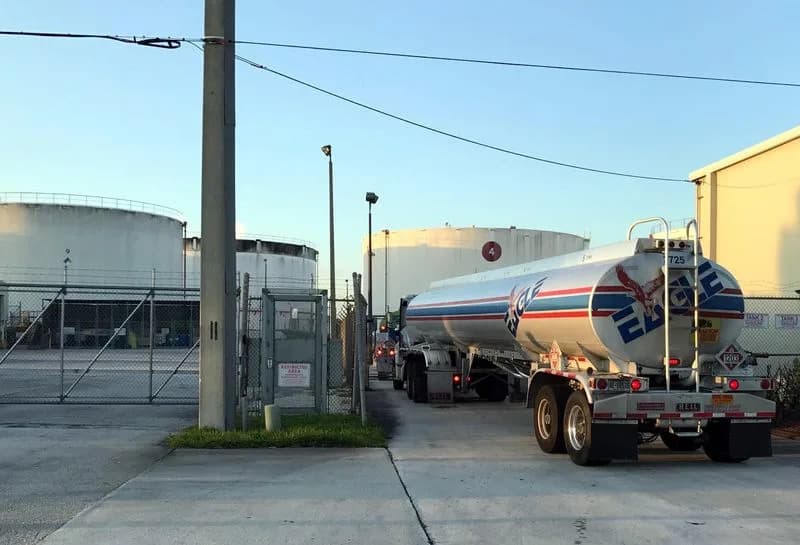
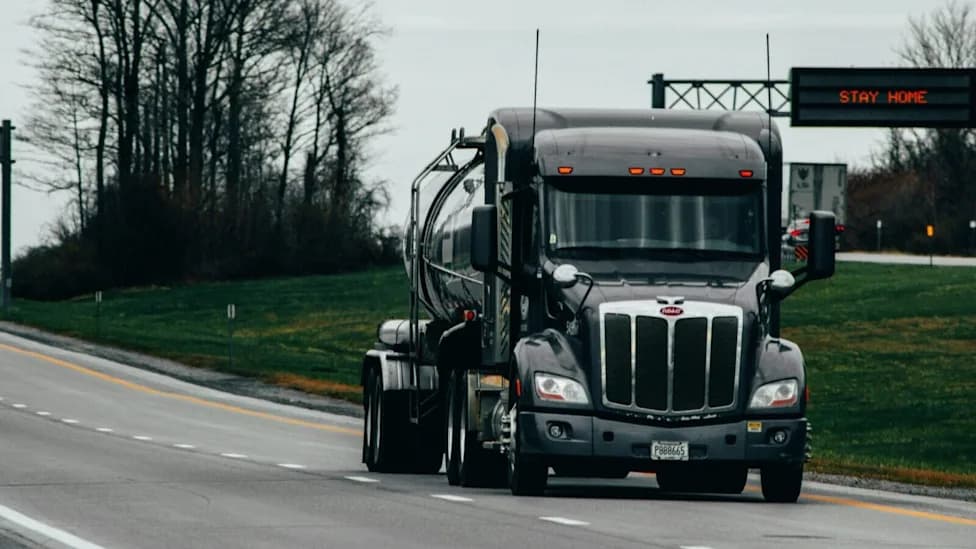
DOT enforcement removed tens of thousands of commercial drivers and purged nearly 9,500 training schools, but the agency’s highway safety plan gives little attention to who will replace them. The administration’s Freedom Haulers campaign expands Even Exchange to fast‑track veterans into trucking, waiving CDL tests for some — a move critics say trades one safety risk for another. Rapid pay increases suggest a supply shock, and new drivers have higher crash rates in their first year, raising questions about whether enforcement has been paired with a robust workforce strategy.
After Purging 24,000 Truckers, Washington Rushes To Fast‑Track Veterans — A Safety Trade‑Off?
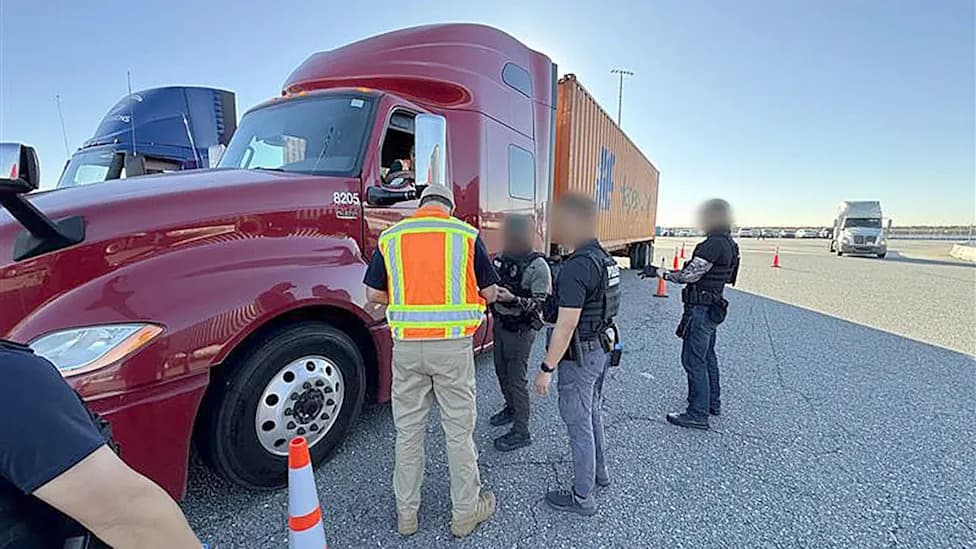
Washington Yanked 24,000 Truckers Off the Road and Called It a Safety Win. Then It Started Begging Veterans to Replace Them.
The federal government’s recent highway safety plan highlights a major enforcement push that removed tens of thousands of commercial drivers — but it offers little detail on how those driving seats will be refilled or whether replacements will meet the same standards.
On August 5, the U.S. Department of Transportation released its National Roadway Safety Strategy, touting that 2025 produced the second‑lowest traffic fatality rate on record but offering no underlying fatality figures in its announcement. Buried in a short section titled “Safer People” was a hint at a broader crackdown: stepped‑up law‑enforcement partnerships and a focus on dangerous foreign truck drivers.
That crackdown was spelled out three weeks earlier. On July 16, the Federal Motor Carrier Safety Administration (FMCSA) and the Department of Homeland Security said the government had: removed more than 24,000 commercial drivers after they failed an English‑language test; required states to cancel over 28,000 improperly issued licenses; and purged more than 9,500 driver‑training schools from the federal registry. Homeland Security Investigations is now probing an additional 75 schools suspected of fraud. These actions represent a significant reduction in the pipeline of certified commercial drivers, enacted largely through paperwork reviews and audits over roughly eighteen months.
Two weeks before the DOT strategy was published, the administration convened a White House event launching Freedom Haulers, a campaign to recruit veterans as truck drivers. Freedom Haulers expands an existing program called Even Exchange, which allows veterans with heavy‑vehicle military experience to bypass both the written and driving portions of the commercial driver’s license (CDL) exam.
The program changes include: seven additional participating states (bringing the total to 34), doubling the eligibility window from one year after leaving service to two, GI Bill coverage for CDL tuition, a Department of Labor training stipend, and a carrier pledge (Werner) to hire 1,400 veterans in 2027. Secretary Sean Duffy framed the shift bluntly, saying undocumented immigrants “have no business getting behind the wheel of a big rig.” DOT materials also note that trucker pay has risen 7.42% under the current administration.
Why This Matters
There is a clear safety rationale for recruiting veterans: many bring discipline, heavy‑vehicle experience, and clean driving records. But waiving the CDL exam is not risk‑free. Military driving — for example, operating a fuel truck on a base under convoy escort — does not necessarily translate to civilian commercial tasks such as hours‑of‑service compliance, electronic logging device use, weigh‑station procedures, and cargo securement. Even Exchange does not test for these civilian requirements; it assumes they transfer.
Pulling 24,000 licensed drivers off the road while shuttering nearly 10,000 training schools can create a sudden supply shock. A rapid 7.42% pay increase more closely resembles that shock than evidence of a booming industry.
New commercial drivers — regardless of background — have disproportionately higher crash rates during their first year behind the wheel of a semi. Shortening the on‑ramp to the profession (waived exams, expedited state reciprocity, expanded eligibility windows) replaces one set of safety concerns with another. The DOT spent eighteen months treating unverified qualifications as a top highway safety threat; fast‑tracking an alternative cohort of drivers without equivalent civilian validation risks recreating the same problem in a new form.
This is not only a trucking issue. Long‑haul trucks carry the majority of U.S. freight tonnage, including parts, tires and finished vehicles. A driver shortage ripples into freight rates and consumer prices, and it shows up alongside other industry labor gaps — for example, unfilled technician roles at automakers that pay six figures. Trucking’s workforce problems therefore carry broader economic and safety implications, given the size and weight of the vehicles involved.
Bottom Line
The enforcement actions demonstrate that regulators can identify and remove fraudulent certifications and unsafe drivers. But removing roughly 30,000 drivers (licenses canceled plus schools purged and drivers removed) is not the end of the story: replacing that workforce in eighteen months without lowering standards will determine whether the agency has a coherent, long‑term workforce strategy. So far, the evidence suggests the strategy highlights enforcement wins while underexplaining the downstream workforce and safety trade‑offs.
Help us improve.