LAUSD will restrict routine device use for preschool through first grade beginning in August, while preserving exceptions for mandated testing, the Virtual Academy and IEP/504 accommodations. Families can request take-home devices via enrollment or the Parent Portal. The district plans a phased rollout with administrator training, but teachers and parents warn the limits could create equity challenges and complicate lesson planning.
LAUSD to Start School Year With Screen-Free Classrooms for Its Youngest Students — What Parents Need to Know
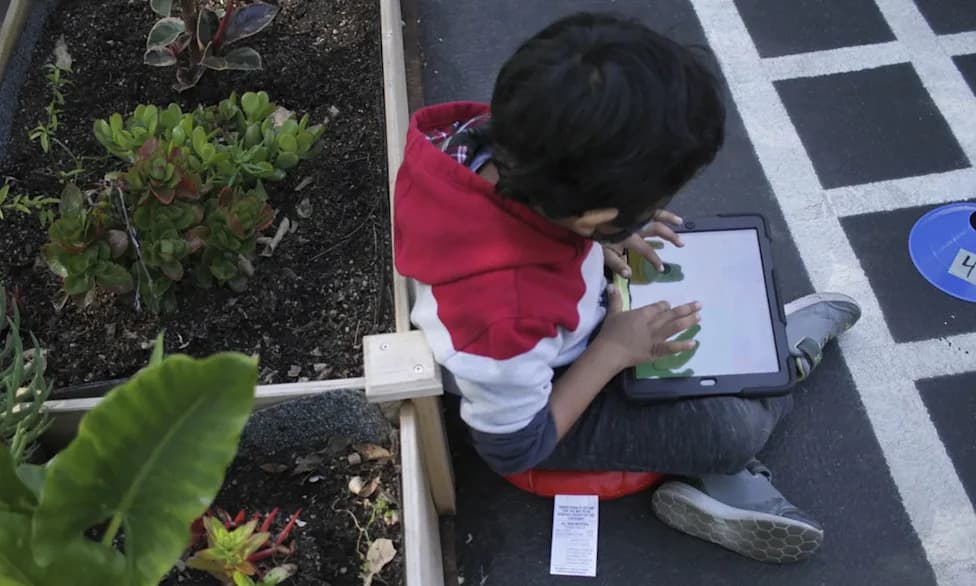
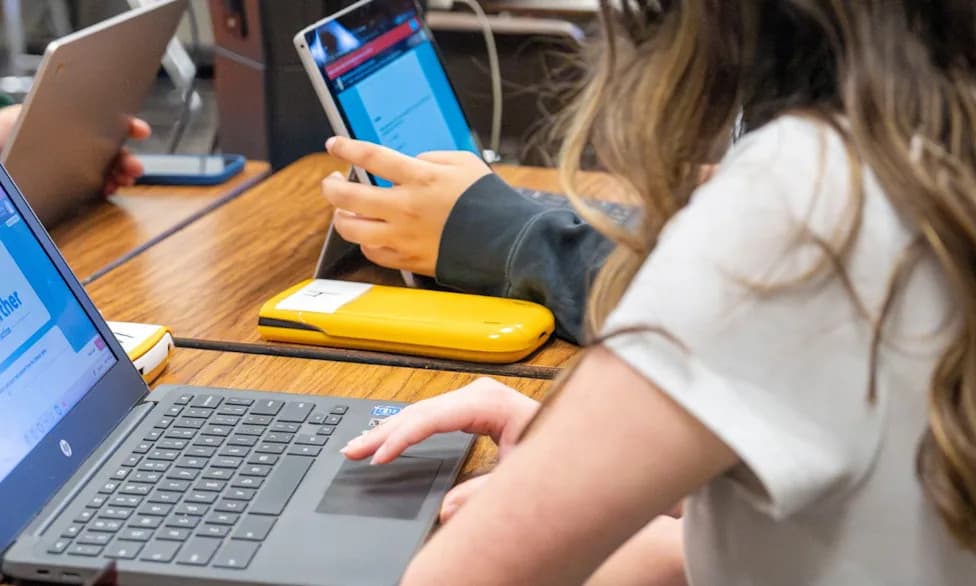
The Los Angeles Unified School District (LAUSD) will enforce new limits on student device use for its youngest learners when the school year begins in August. The policy prohibits routine digital-device use for preschool, transitional kindergarten (TK), kindergarten and first grade, while preserving specific exceptions and a phased rollout plan.
What the Policy Does
The district's screen-time policy eliminates routine in-class device use for early education through first grade but includes explicit exceptions. Devices remain permitted for:
- District- and state-mandated assessments;
- Students enrolled in the LAUSD Virtual Academy;
- Students who require digital accommodations under an Individualized Education Program (IEP) or a 504 Plan;
- Teacher-approved instruction or activities when a teacher explicitly allows access to sites such as YouTube or other streaming/social platforms.
How Families Can Access Devices
Students will not automatically be issued take-home devices. Families who need a device can request one during enrollment or through LAUSD's Parent Portal (app or website). The Los Angeles Public Library also offers a laptop-and-hotspot checkout program for adults, which some families use to supplement access.
Homework, Blocking, and Classroom Changes
The policy asks educators to prioritize off-screen homework: "Homework should prioritize reading, writing, problem-solving, hands-on activities, observation, and other learning experiences that can be completed without the use of a device," the policy states. In addition, the district will block student access to YouTube, social media and streaming platforms unless a teacher approves specific content for instruction.
Timeline, Training and Costs
LAUSD Superintendent Andrés Chait said the rollout will be methodical: "On Aug. 12, you may not necessarily see in the immediate all of the changes that the policy calls for, but they will be implemented methodically and transparently." Training sessions for principals and administrators have begun, with more resources promised before the school year and throughout implementation. Most teachers can return to classrooms starting Aug. 10.
District staff estimate up to $4 million in one-time costs for storage carts in elementary classrooms and roughly $1 million annually for software to monitor screen time and block content. A district spokesperson said those funds have not yet been spent and that school-by-school conversations will determine needs.
Community Response and Concerns
The push to limit devices grew from parent advocacy: a group called Schools Beyond Screens began organizing in 2025, speaking at board meetings and collecting signatures. Board member Nick Melvoin, who introduced the resolution that led to the policy, said the district needed to "recalibrate" its technology use after the pandemic-era device distribution.
"We had not recalibrated or reset our relationship with technology post-COVID," Melvoin said. "Six years ago, we sent every kid in L.A. home with a device, which was a lifeline. … But when they came back, I'm still seeing kids as young as preschool on devices all day."
Some board members and educators warned of unintended consequences. Board Vice President Rocío Rivas cautioned that strict minute limits might shift focus to tracking usage rather than learning outcomes: "Schools may end up focusing on counting minutes, documenting usage, auditing classrooms instead of evaluating learning outcomes." LAUSD staff also noted a possible "risk of slowing access to technology and its advancement for students to compete with the world."
At a June public comment period, parent Mireya Garcia described sharing a single computer at home and warned that reduced in-school device access could exacerbate inequities for families with limited tech resources. Veteran teacher Stephanie Levinson, who will teach a combined first- and second-grade classroom, said uncertainty about implementation makes lesson planning difficult and added that some students lack basic computer skills if they have limited home access.
Governance, Review and Related Work
The LAUSD board adopted the policy in June after research and community outreach. The vote was unanimous among participating members; Board President Scott Schmerelson recused himself. The policy requires an annual public review of screen-time rules, allowing the district to revise the approach as issues emerge. LAUSD has also formed an ad hoc committee to advise on the district's use of artificial intelligence.
Bottom line: The policy aims to reduce routine screen time for the district's youngest students while preserving necessary access for testing, virtual programs and legally mandated accommodations. Implementation will be phased, and LAUSD officials say they will work with schools to address needs and adjustments during rollout.
Help us improve.