Lake Mead has dropped to 1,040.4 feet (317.1 m), the lowest level since it was filled about 90 years ago, slightly under the July 2022 low. The decline follows the worst winter snowpack on record in the Colorado River Basin and comes amid years of overuse and warming. Federal officials proposed short-term cuts shared by California, Nevada and Arizona and will withhold cool releases from Lake Powell to protect hydropower and a threatened native fish. The situation threatens water supplies for over 40 million people across seven U.S. states, tribal nations and Mexico.
Lake Mead Drops to Historic Low as Colorado River Crisis Deepens
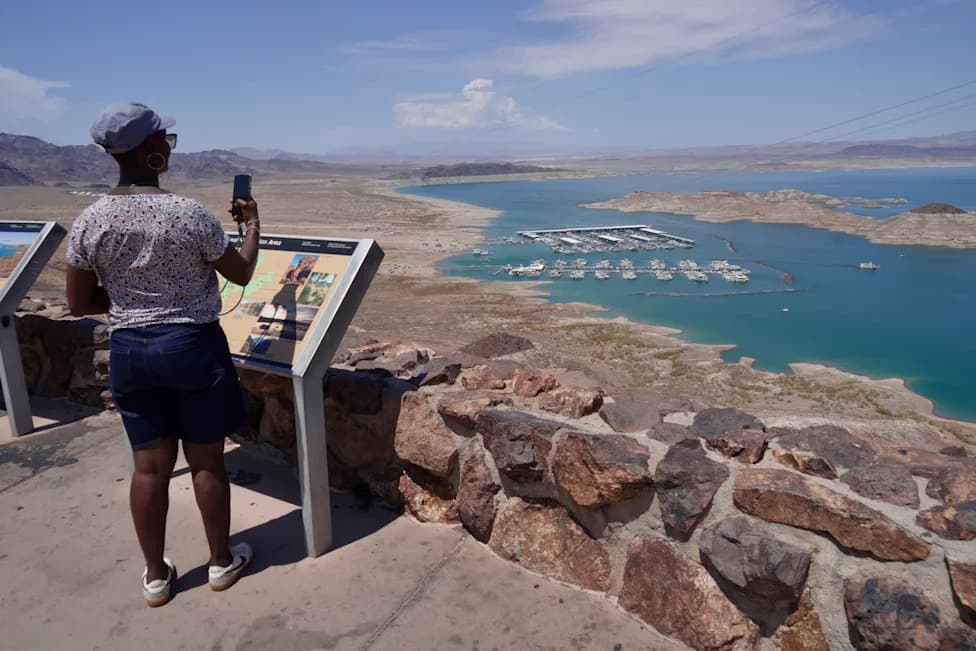
A tourist takes a photo of Lake Mead near Boulder City, Nev., on Friday, Aug. 7, 2026. (AP Photo/Ty ONeil)(AP Photo/Ty ONeil)
Lake Mead, the largest reservoir in the United States, has fallen to its lowest level since it was filled nearly 90 years ago, underscoring the escalating crisis across the Colorado River system.
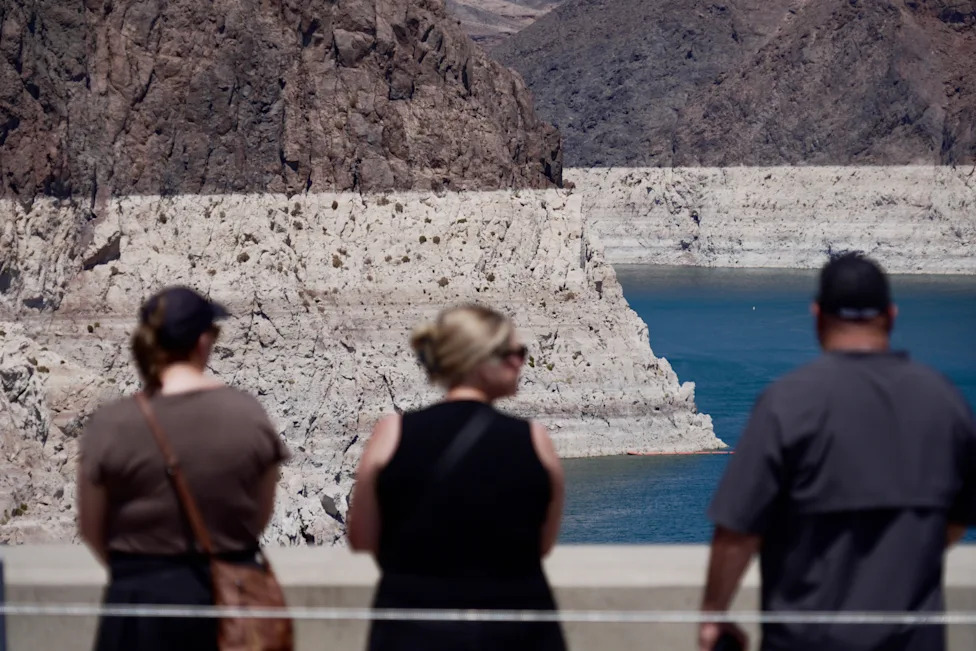
Tourists on the Hoover Dam look out at the bathtub ring of minerals that shows the former water levels of Lake Mead near Boulder City, Nev., on Friday, Aug. 7, 2026. (AP Photo/Ty ONeil)(AP Photo/Ty ONeil)
Federal data show the reservoir's surface sank to 1,040.4 feet (317.1 meters) above sea level on Friday — a reading marginally below the previous low of 1,040.58 feet (317.27 meters) recorded on July 28, 2022. Lake Mead spans the Arizona–Nevada border just outside Las Vegas and supplies water and power to a vast region.
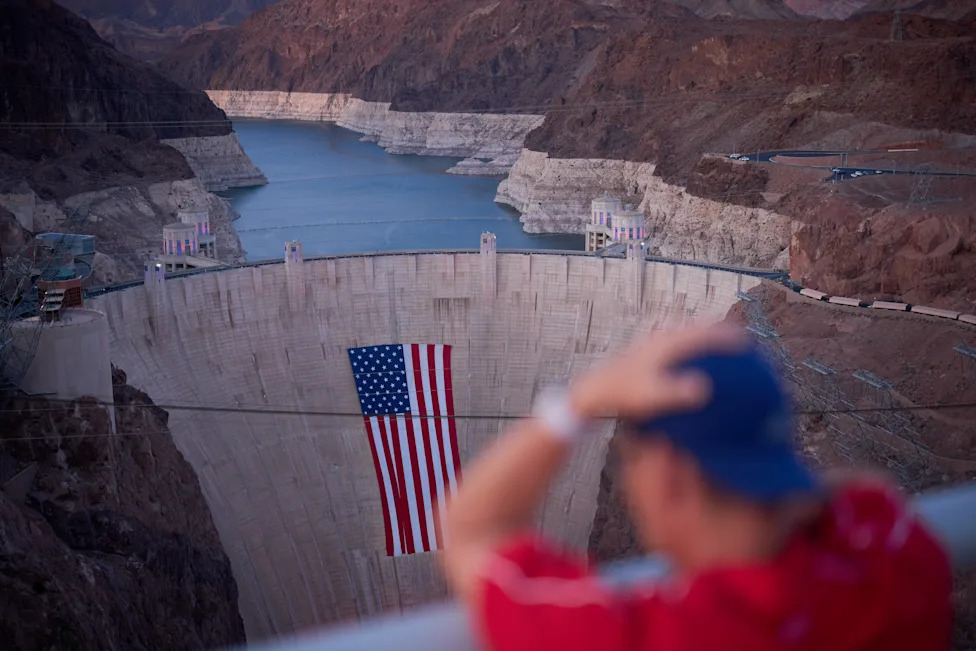
A bathtub ring of light minerals shows the high water line of Lake Mead near the Hoover Dam at the Lake Mead National Recreation Area Tuesday, June 30, 2026, near Boulder City, Nev. (AP Photo/John Locher)(AP Photo/John Locher)
Drivers of the Decline
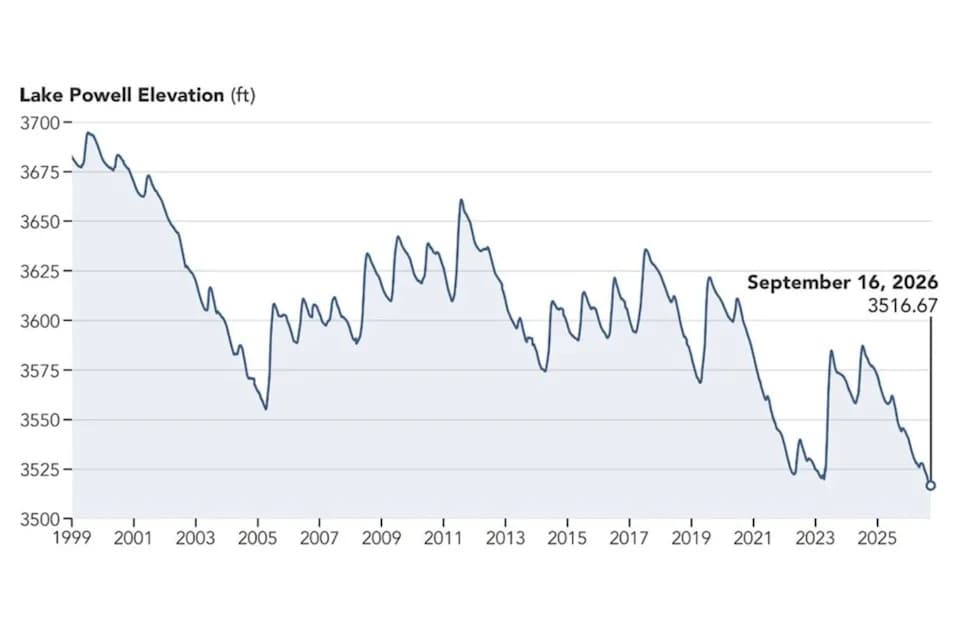
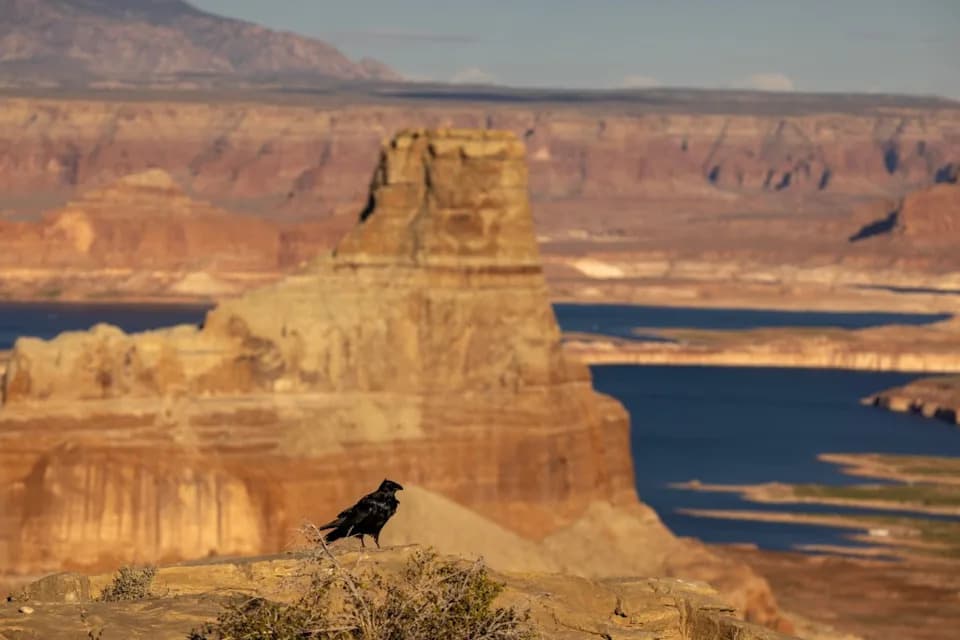
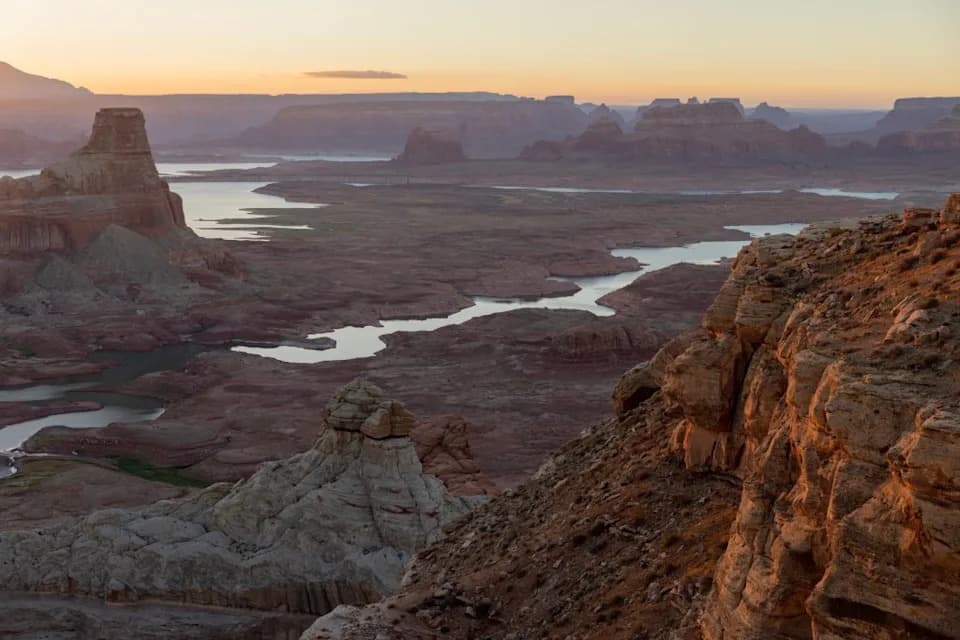
The new low follows a winter that produced the worst snowpack on record in the Colorado River Basin. Snowmelt is a critical source of river flows, and reduced snowpack, combined with years of overuse and rising temperatures, has drained both Lake Mead and Lake Powell — the nation’s second-largest reservoir — to their lowest combined levels in nearly seven decades.
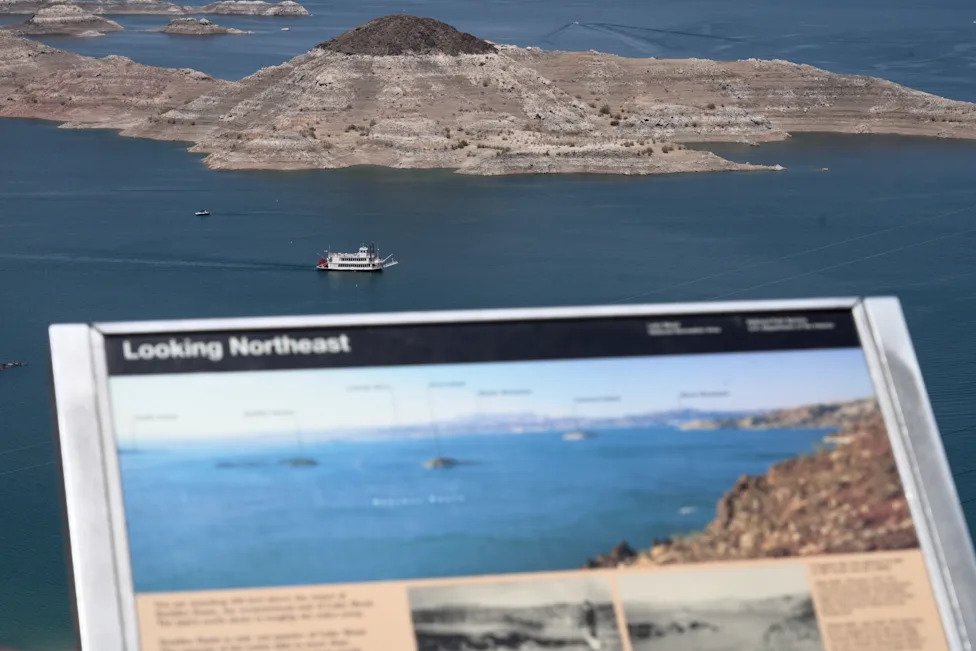
A paddle boat goes past a once nearly submerged island in Lake Mead near Boulder City, Nev., on Friday, Aug. 7, 2026. (AP Photo/Ty ONeil)(AP Photo/Ty ONeil)
Federal Response and Local Impacts
Federal officials unveiled a short-term proposal intended to avert an immediate crisis after the seven basin states — California, Colorado, Arizona, Nevada, New Mexico, Wyoming and Utah — failed to reach a long-term agreement on dividing shrinking supplies. Under the plan, water reductions would be shared among California, Nevada and Arizona.
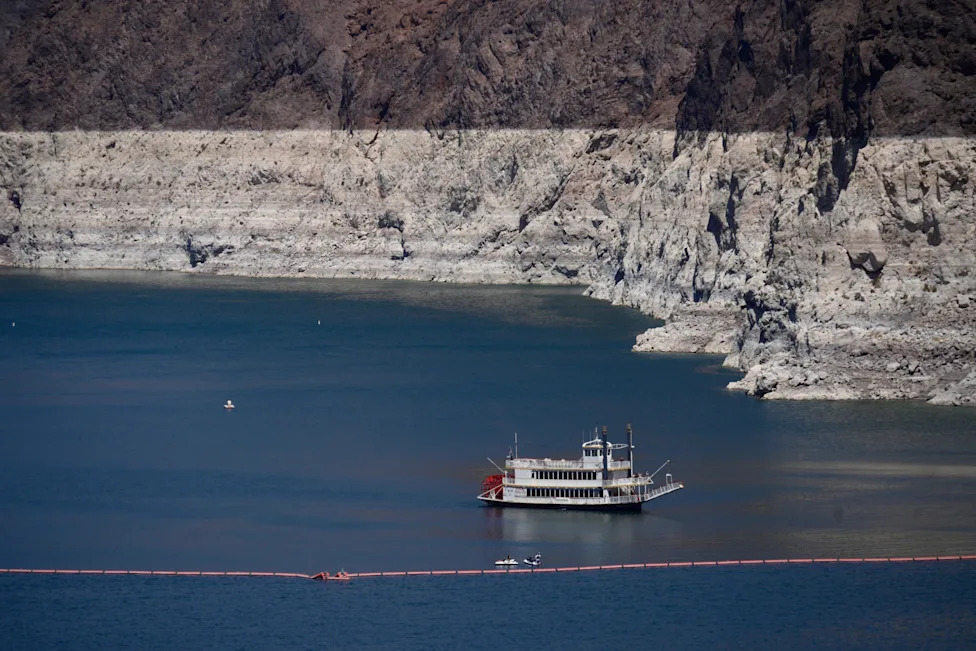
A paddle boat in Lake Mead near the Hoover Dam, far below the bathtub ring of light minerals indicating the lack of water, near Boulder City, Nev., on Friday, Aug. 7, 2026. (AP Photo/Ty ONeil)(AP Photo/Ty ONeil)
To protect the system’s ability to generate hydropower and to safeguard a threatened native fish whose habitat lies between the reservoirs, federal managers said they will withhold cool water releases from Lake Powell via Glen Canyon Dam in northern Arizona.
Severe drought in 2022 forced Las Vegas water managers to draw from deeper parts of Lake Mead and even exposed human remains near the reservoir. The low water levels have broad implications for agriculture, urban supplies, wildlife, hydropower production and tribal nations that depend on Colorado River resources.
Who Depends On The River: More than 40 million people across seven U.S. states, multiple tribal nations and Mexico rely on Colorado River water for drinking, irrigation, industry and power.
The Associated Press receives support from the Walton Family Foundation for coverage of water and environmental policy; AP is solely responsible for its content.
Help us improve.