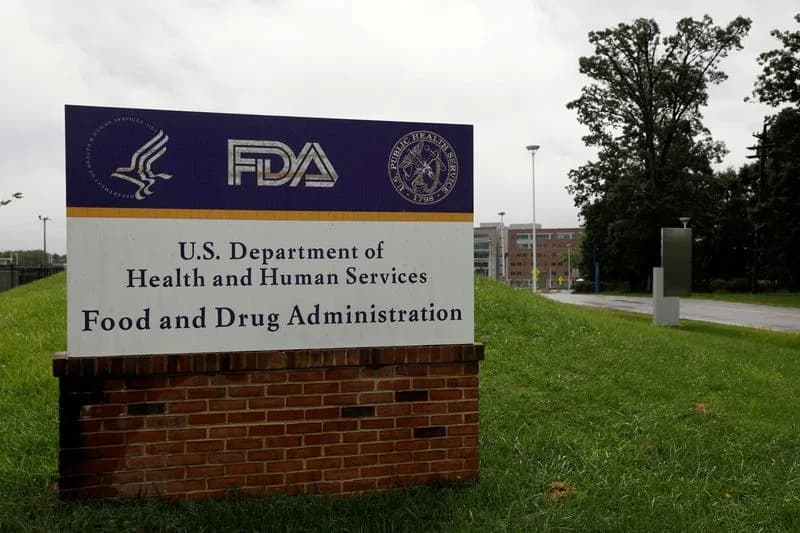
The lettuce-linked cyclospora outbreak has led to an unprecedented number of confirmed cases, with federal tallies exceeding 10,000 and roughly 12,000 reports pending verification. The FDA traced the largest cluster to recalled iceberg lettuce from Taylor Farms in central Mexico; Michigan has reported 12,485 cases and two deaths (through Aug. 6). Michigan has lifted its broad advisory against bagged salads as cases decline, but experts recommend continued caution—check recalls, wash produce, and protect vulnerable people while investigations continue.
Is It Safe to Eat Lettuce Now? What to Know About the Cyclospora Outbreak
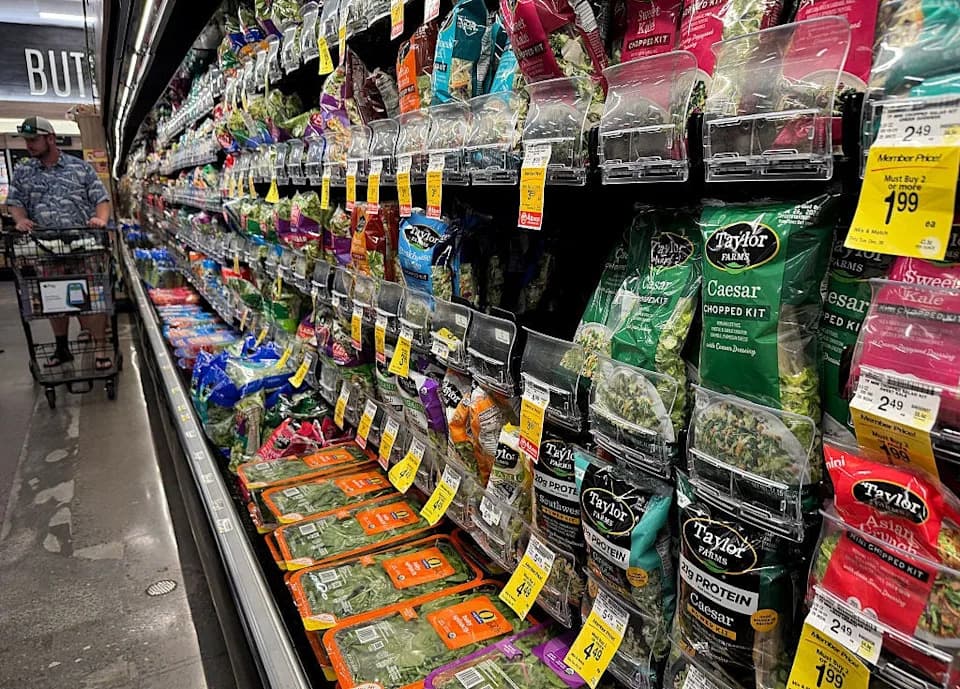
More states have been identified in the cyclospora outbreak linked to Taylor Farms lettuce.
An unprecedented cyclospora outbreak linked to lettuce has sickened thousands of Americans and prompted widespread concern about bagged salad greens. Federal data show more than 10,000 laboratory-confirmed cases, with roughly 12,000 additional reports awaiting verification. The largest cluster was traced by the U.S. Food and Drug Administration to recalled iceberg lettuce grown by Taylor Farms in central Mexico; Michigan has reported 12,485 confirmed cases since May 1 and the first two deaths tied to the nationwide outbreak (figures reported through Aug. 6).
What Officials Have Done
Taylor Farms said in July that it immediately removed and recalled any "potentially implicated" iceberg lettuce and voluntarily suspended sourcing and production of iceberg lettuce from central Mexico. Michigan’s health department — which has been reporting cases more rapidly than federal agencies — announced on Aug. 6 that new cases and related hospital visits are trending downward and lifted the broad, precautionary advisory against bagged salad mixes. Officials said the majority of the specific recalled produce is likely no longer available to consumers.
What Experts Are Saying
Food-safety specialists generally agree that most lettuce currently on shelves is unlikely to be contaminated with cyclospora, particularly if it is not part of a recall. Dr. Bryan Quoc Le, a food scientist and industry consultant, noted that cyclospora oocysts usually do not remain viable on lettuce for more than a few weeks, and lettuce that old would typically be spoiled and discarded.
Still, some experts urge caution because many illness clusters across the country have not yet been traced to a single source. Dr. Dana G. Mordue, an associate professor of pathology, microbiology and immunology, warned that without a definitive origin for every cluster, blanket assurances about all produce may be premature — especially for people at higher risk of severe illness, such as older adults and young children.
Why Cyclospora Is Harder To Trace
Cyclospora presents unique challenges: it has a relatively long incubation period, infected people can be hard to link to a common food, diagnostic sampling is difficult, and investigators lack the same genetic-tracing tools available for bacterial outbreaks like E. coli or listeria. Some experts also say recent cuts to federal pathogen-monitoring programs have reduced available data and complicated investigations.
Practical Advice: How To Reduce Your Risk
- Check recalls and avoid recalled lots: Recalls are often targeted by harvest, lot, region or purchase date — they do not always apply to all lettuce nationwide.
- Wash produce: Clinicians recommend washing lettuce if it is not part of a recalled lot. A brief soak in a water-and-vinegar solution followed by a thorough rinse can help remove contaminants.
- Choose lower-risk options: Consider buying lettuce from local farmers’ markets (where origin is clearer), opting for produce with firm, smooth rinds (tomatoes, cucumbers, apples), or using frozen fruits and vegetables, which tend to be lower risk.
- Protect vulnerable household members: Older adults, young children, pregnant people and immunocompromised individuals should be especially cautious.
Bottom Line
For most consumers, lettuce that is not part of a specific recall is likely safe when handled properly. However, because investigations are ongoing and not every cluster has a confirmed source, reasonable caution is still warranted — particularly for higher-risk people. Follow recall notices, practice safe food handling, and make choices that match your household’s tolerance for risk.
"Infectious diseases do not play politics — we should take this seriously, but not be unduly alarmed," said Dr. Mordue. "Use appropriate precautions and stay informed."
Help us improve.