Industry groups across construction, agriculture and manufacturing say a recent escalation in immigration enforcement — including moves affecting about 1.3 million people and tighter action on TPS beneficiaries — is deepening chronic worker shortages. Associations warn sudden status changes and fear of raids are disrupting projects and could raise housing and food costs. The White House stresses legal pathways for workers, while some Republicans push H‑2A and temporary‑status fixes; immigration hardliners resist broader compromises.
Industry Alarm: Trump’s Crackdown on Immigration Strains Construction, Agriculture and the Broader Economy

Homeland Security Secretary Markwayne Mullin listens during a cabinet meeting at Camp David in Thurmont, Maryland, on July 31. - Jacquelyn Martin/AP
Industry groups from construction to agriculture are warning the Trump administration that a recent surge in immigration enforcement is clashing with economic goals and worsening long‑standing workforce shortages, multiple trade organizations and sources close to the White House told CNN.
Industry Concerns
Employers say the abrupt push to end deportation protections for roughly 1.3 million people who had been legally working in the U.S., combined with stepped‑up actions against Temporary Protected Status (TPS) holders, is magnifying labor gaps that have built up for years. Associations that generally support other aspects of the administration’s economic agenda have pressed DHS, Labor, Agriculture and White House officials for practical solutions to avoid disruptions to projects, production and services.
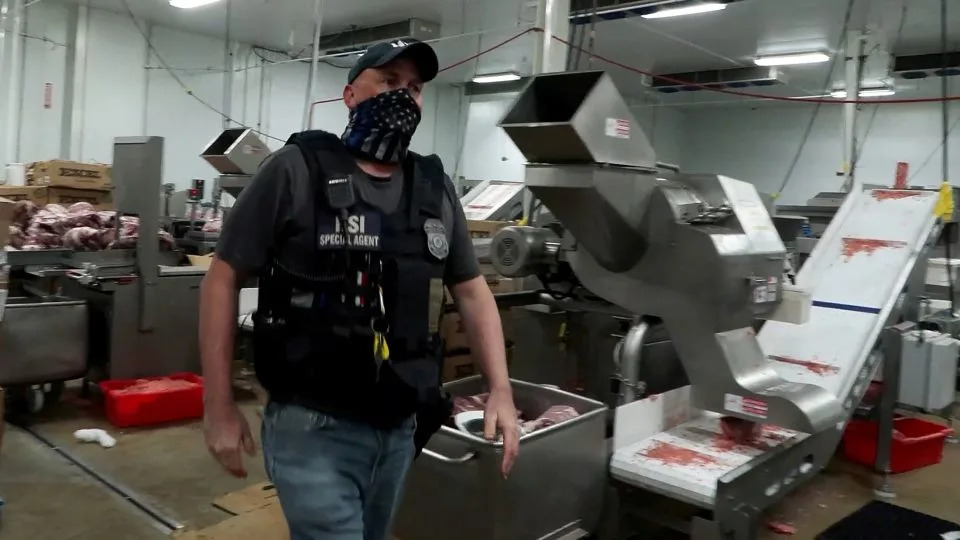
An agent passes meat being prepared during a raid by US Immigration and Customs Enforcement at a Glenn Valley Foods meat production plant in Omaha, Nebraska, on June 10, 2025 in a still image taken from a video. - US Immigration and Customs Enf/Reuters
What Employers Are Reporting
Trade leaders describe crews failing to show up amid fears of worksite enforcement and raids, sudden losses of authorized work status among long‑time employees, and mounting uncertainty about how to keep projects moving. The National Association of Home Builders estimates residential construction is short between 200,000 and 400,000 workers, and more than a quarter of the construction workforce was foreign‑born in 2024, with immigrant shares even higher in certain trades such as drywall, roofing and flooring.
Administration Response
A Department of Homeland Security spokesperson reiterated that people who want to work in the United States must do so legally, calling the notion that industries rely on "unvetted illegal aliens" to operate "grossly false and lazy." A White House spokesperson said the administration believes there is "no shortage of American minds and hands" and that it will continue to expand legal opportunities for U.S. workers while enforcing immigration laws. Departments of Labor and Agriculture declined further comment to CNN or were contacted for comment.
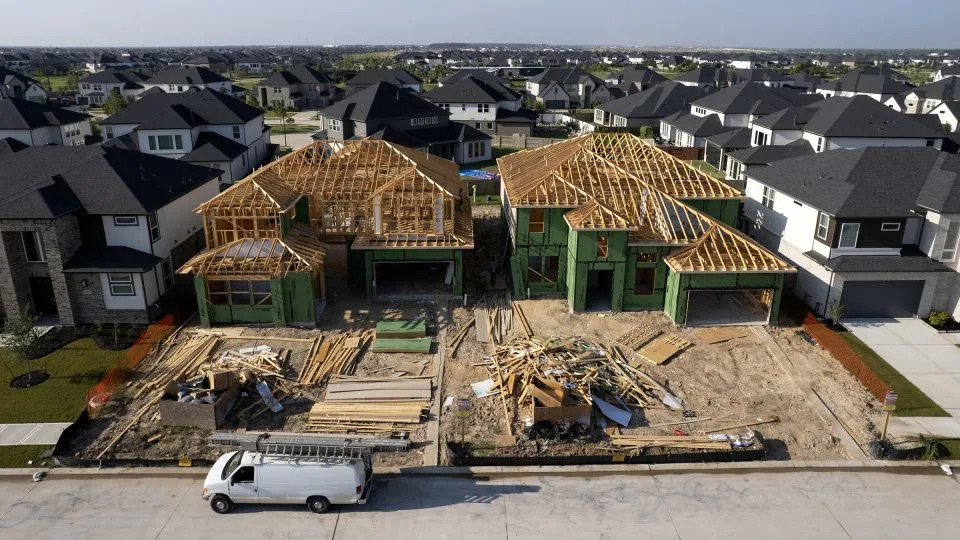
Homes under construction in Cypress, Texas, on August 3. - Mark Felix/Bloomberg/Getty Images
Enforcement Mechanics And Business Impact
Worksite enforcement operations typically involve notice of intent to audit, a compliance audit and, where violations are found, potential criminal investigations — a process that can take months or longer to prepare and execute. Industry groups emphasize that while employers want to comply with the law, they cannot absorb sudden, large‑scale losses of authorized workers without transition plans. Employers also warn of supply‑chain impacts in sectors such as dairy, elder care and manufacturing if TPS protections or other temporary permissions are rescinded without alternatives.
Political Tensions And Policy Options
Inside the administration, officials are balancing enforcement priorities with pressure from industry groups and Republican lawmakers seeking visa fixes. Some GOP lawmakers have urged reforms to the H‑2A agricultural guest‑worker program and proposed temporary legal status for some farmworkers to prevent food‑security and animal‑welfare problems (for example, dairy operations require year‑round labor). Those proposals have sparked pushback from immigration hardliners who oppose broader legal pathways.
Why It Matters
If enforcement continues without parallel expansions of legal worker programs or other workforce solutions, industries say projects could slow, housing costs could rise due to construction delays, and food supply chains could experience disruptions. Industry leaders are lobbying for targeted visa reforms and clearer transition plans so enforcement does not undercut economic goals the administration also claims to prioritize.
What’s Next
Expect continued negotiations between industry groups and federal agencies over worksite enforcement strategies, visa program adjustments, and how to phase in changes to avoid sudden labor shocks. Lawmakers and administration officials will face pressure to reconcile enforcement priorities with immediate labor needs in key sectors.
Help us improve.