Opinion: A personal anecdote about being caught on Facebook Live frames a warning: mass surveillance has shifted from dystopian fiction into ordinary life. From AI-powered license-plate readers and facial recognition contracts to wearable cameras and workplace monitoring, both government and private actors are expanding surveillance. Political incentives and corporate profits make comprehensive regulation difficult, so individuals must push for transparency, consent rules and legal limits to prevent privacy from becoming a privilege.
When Everyone Becomes a Camera: How the U.S. Is Sliding Into a Surveillance Society
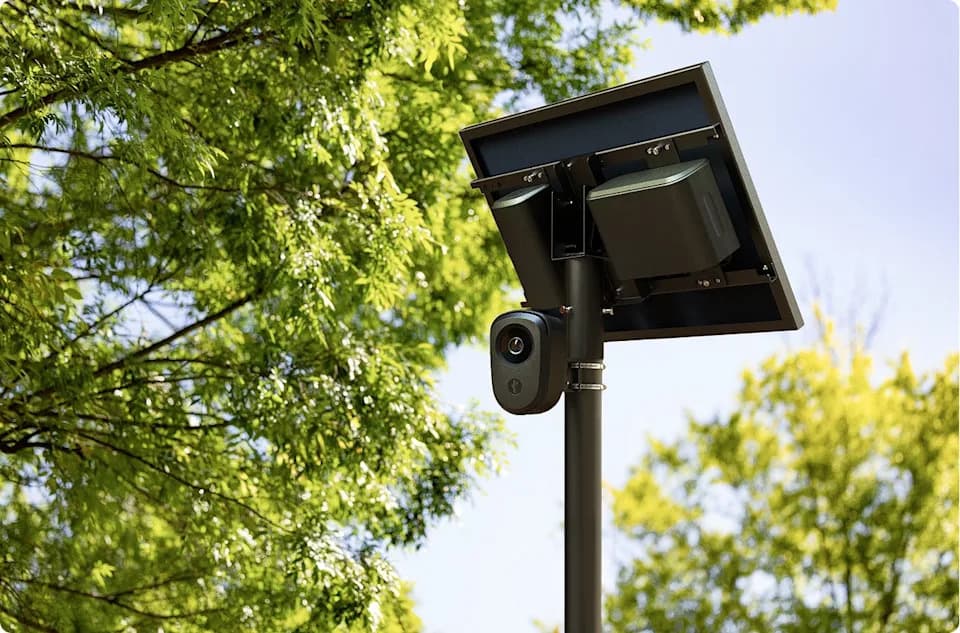
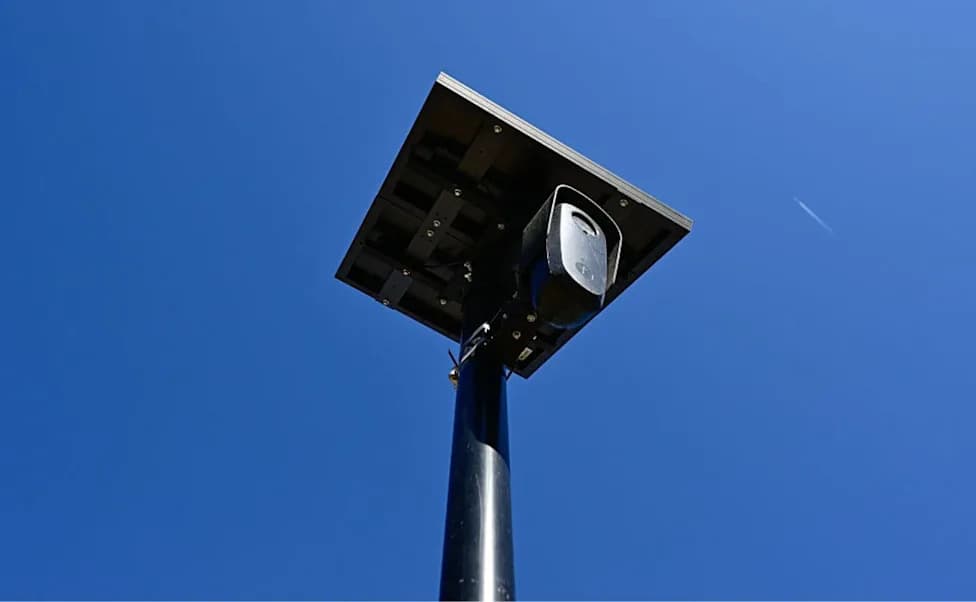
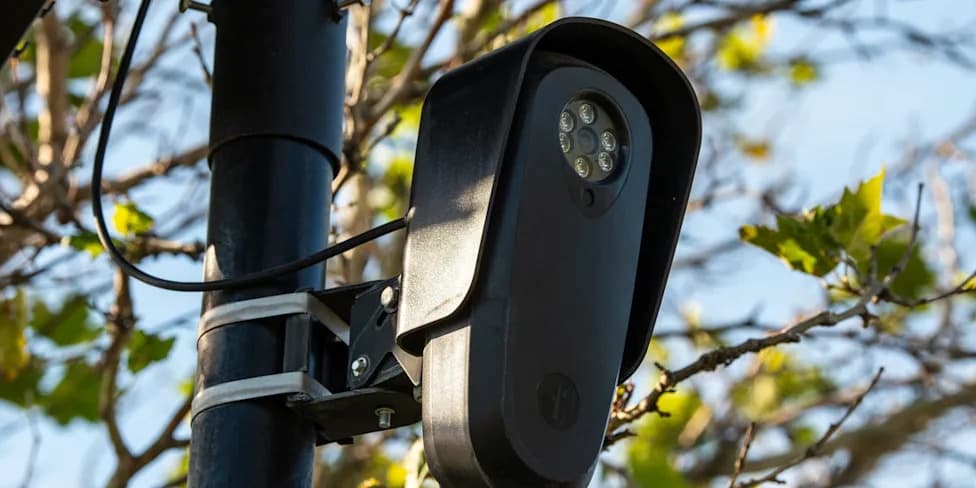
Flock LPRs are typically black and include a camera on a tall pole with a solar panel on the top.
Several years ago, while boarding a flight to New York City, I was swept unexpectedly into someone else's livestream. The passenger ahead of me was broadcasting a dispute with airline staff on Facebook Live. As she shifted the camera, it landed on my face and she asked how my day was. Frozen, I answered and hurried on — already aware I might soon appear online without consent.
Surveillance Moves From Fiction Into Everyday Life
What feels like isolated incidents are part of a larger trend: mass surveillance is no longer only a government fantasy or a dystopian plot device. It has crept into daily life through smartphones, wearable cameras, private security systems and AI-powered networks.
Big Brother — a fictional warning from George Orwell — is increasingly a real-world problem as pervasive cameras, facial recognition and data-harvesting tools normalize constant observation.
How Surveillance Is Expanding
Individuals recording individuals: Phones and livestream platforms make it trivial to capture and distribute moments that once stayed private. Viral videos have exposed people in vulnerable situations — the unhoused, those experiencing mental-health crises, or strangers sharing intimate moments — sometimes with damaging consequences.
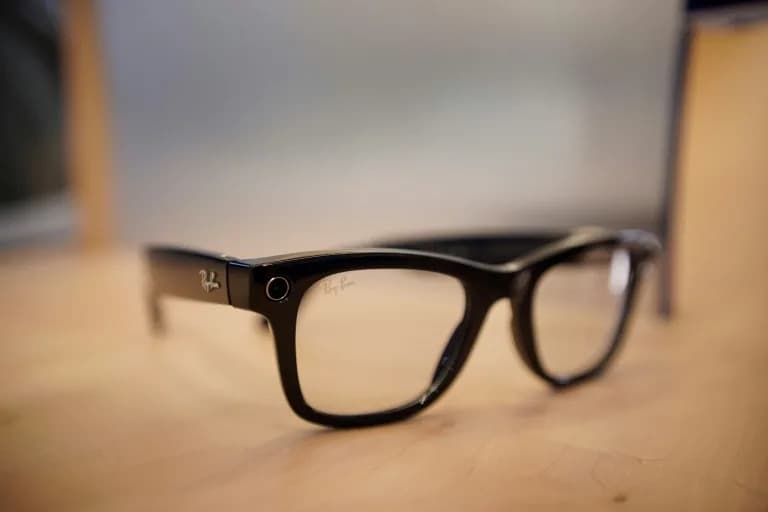
Wearables and consumer tech: Collaborations between major tech firms and eyewear makers have produced glasses that can record discreetly. Although some models show an LED when recording, that indicator can be disabled or obscured, meaning people cannot reliably know when they are being filmed.
Municipal and law-enforcement tools: Companies such as Flock sell AI-powered license-plate readers and camera networks that governments deploy widely. Reports have linked these systems to misuse by police, raising concerns about accuracy and civil liberties.
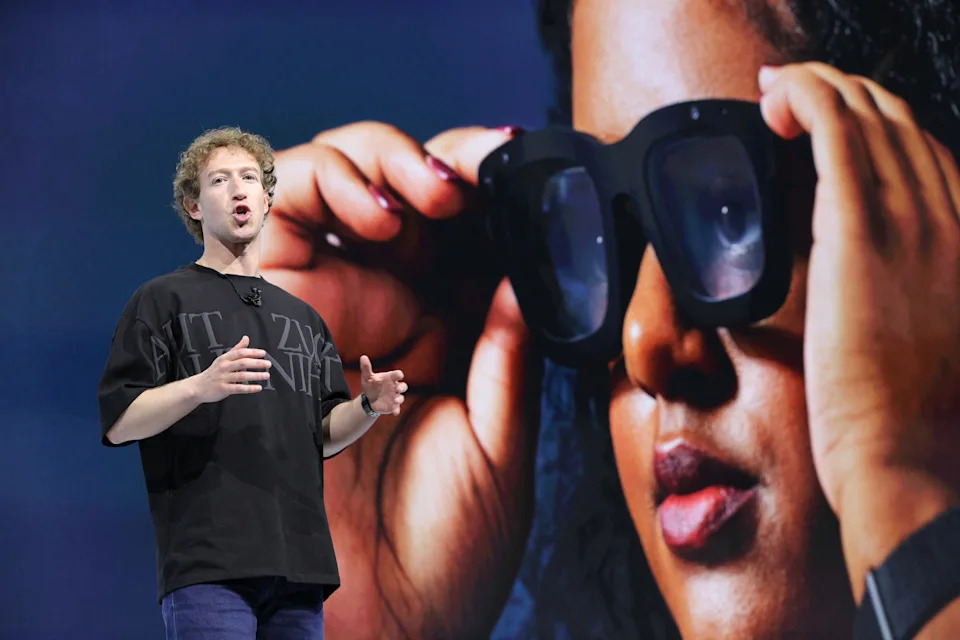
Meta CEO Mark Zuckerberg presents Orion AR glasses at the Meta Connect annual event at the company's headquarters in Menlo Park, California, U.S., September 25, 2024.
Federal use: Agencies such as Immigration and Customs Enforcement (ICE) have reportedly contracted with AI firms for facial recognition and mapping tools. Public-health and other agencies have also discussed forms of surveillance tied to their missions, sometimes using vague language that raises privacy alarms.
Corporate surveillance: Employers increasingly monitor workers with screen-time analytics and productivity tracking. Venues and retailers experiment with AI systems to observe customers and adjust pricing or operations. Algorithms at large companies have been used in ways critics argue can discourage organizing or target certain behaviors.
Why Regulation Is Hard
Surveillance technologies are profitable and politically useful. That combination reduces the incentive for companies to limit their practices and makes lawmakers less inclined to impose broad bans. While there is bipartisan interest in some narrow curbs — such as banning dynamic "surveillance pricing" in grocery stores — sweeping regulation of facial recognition, wearable recording, and ubiquitous camera networks remains limited.
What Individuals Can Do
While systemic solutions are essential, people can take practical steps now: question and push back against unnecessary recording in public and private spaces; support transparency requirements and consent rules for cameras and AI tools; demand robust data-access safeguards and independent audits for technologies used by law enforcement; and push for laws that make privacy protections enforceable, not optional.
Privacy should not become a luxury. If only the wealthy can avoid constant monitoring, civic life and personal freedom will be reshaped in unequal ways. We should resist the notion that surveillance automatically equals safety and insist on limits that protect everyday people from constant exposure and judgment.
Follow-up actions: Advocate for clearer consent rules, support legislation that restricts intrusive surveillance practices, and be mindful of how and when you record others.
Help us improve.