Synagogues across the U.S. are strengthening security as antisemitic assaults reach a 46-year high in 2025. Community organizations such as CSS and SCN report thousands of trained volunteers, record threat reporting, and millions in security funding. Leaders emphasize layered defenses — cameras, reinforced doors, access controls and volunteer teams — designed to protect worshippers while preserving the welcoming nature of religious spaces amid a charged geopolitical backdrop.
Synagogues Tighten Security as Antisemitic Attacks Surge to a 46-Year High
Illustration: Brendan Lynch/Axios. Stock: Getty Images
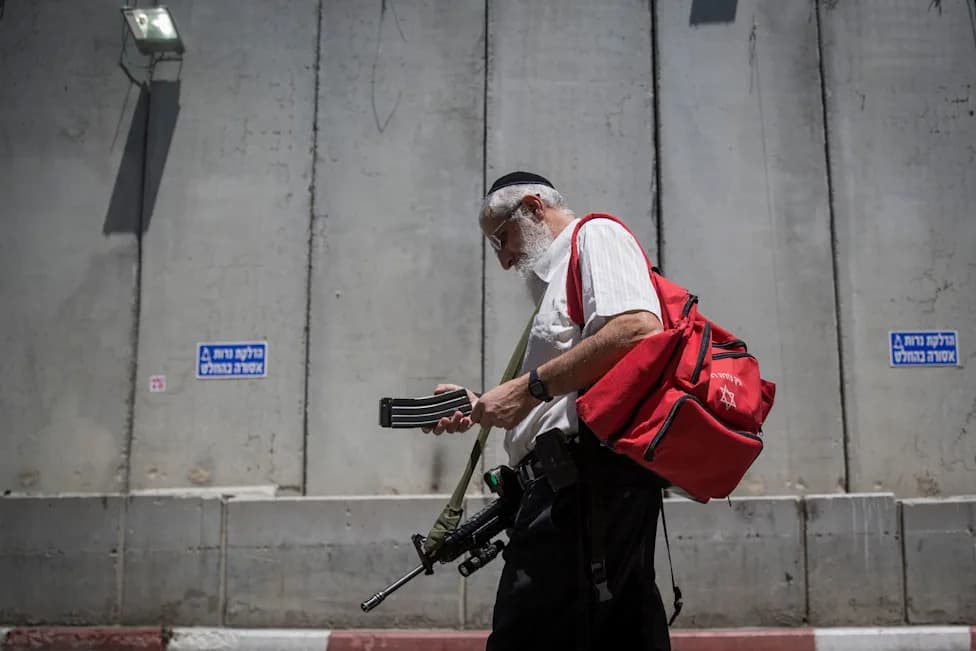
Across the United States, synagogues are adopting layered security measures and training congregants to serve as volunteer security teams as antisemitic attacks and threats rise to levels not seen in decades.
Front Doors: Welcome and Watch
What was once a simple greeting at the entrance to a house of worship increasingly includes screening, identification checks and visible security presence. Congregational leaders describe this shift as necessary to protect worshippers while preserving the community's open and spiritual character.
How Security Has Changed
Religious institutions are moving beyond the old model of temporary guards for major holidays and basic camera systems. Many now deploy multiple layers of protection: surveillance cameras, reinforced doors, stricter access controls, trained volunteer teams and direct coordination with local law enforcement.
"It doesn't mean that we're ninjas or law enforcement officers, but everybody can have a role to play,"— Rusty Rosenthal, retired FBI agent and head of JShield in Washington, D.C.
Scale And Numbers
Community Security Service (CSS) reports more than 7,100 active volunteer guards trained and protecting over 500 synagogues and events nationwide each week. CSS's CEO Richard Priem says more than 20,000 community members completed training last year with instruction from former FBI agents and retired law enforcement officers.
The Secure Community Network (SCN), the official safety and security organization for the North American Jewish community, recorded a record 5,409 threat incidents and suspicious-activity reports in 2024 — a 112% increase from two years earlier. SCN also conducted 1,095 facility security assessments and helped congregations secure $23.7 million in security funding in 2024.
Why Volunteer Teams Matter
Security leaders say trained congregants bring situational awareness that many commercial guards lack: familiarity with regular members, knowledge of normal behavior, and the ability to spot what is out of place quickly.
Costs And Consequences
Hardening houses of worship can take a psychological toll. Clergy and community leaders are working to strike a balance between vigilance and the spiritual mission of welcoming, healing and community building.
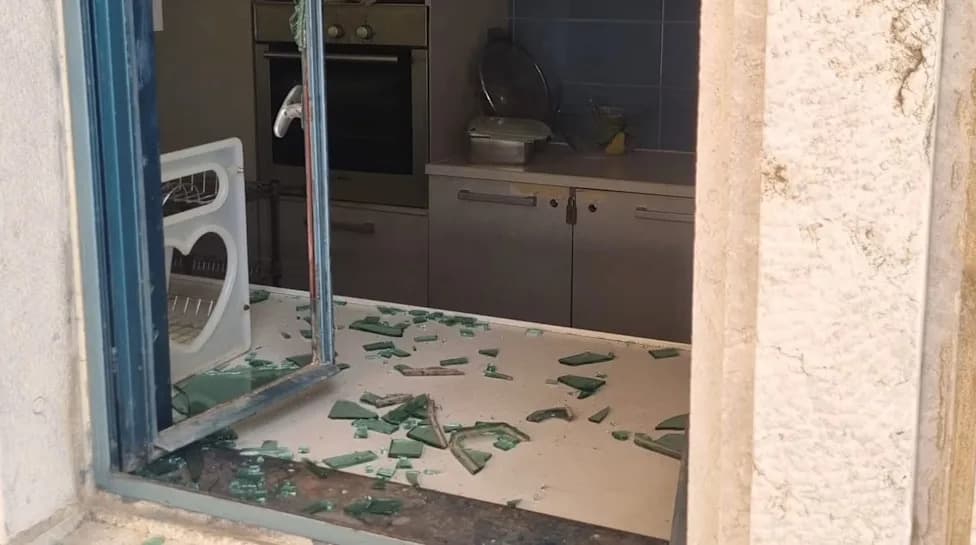
Recent high-profile incidents cited by leaders include a double stabbing on Manhattan's Upper West Side and swastikas painted at a fire-damaged temple and a Jewish community center in California.
Broader Context
Leaders point to the Israel–Gaza war and shifts in U.S. public opinion as part of the backdrop for rising threats. Polling from Gallup and Pew shows growing sympathy for Palestinians and more negative views of Israeli leaders since major violence on Oct. 7, 2023 — dynamics that community leaders say have sometimes translated into protests and threats near Jewish institutions.
What Leaders Say
Rabbi Nolan Lebovitz of Valley Beth Shalom in Los Angeles emphasizes the emotional burden on congregations: "Jews, Jewish parents especially, want to feel safe. As clergy and community leaders, we want to assure people that we're using every tool and every resource possible."
Bottom Line
Synagogues are responding to a sustained rise in antisemitic violence by building multi-layered security programs that combine trained volunteers, physical defenses and law-enforcement partnerships — while trying to preserve the welcoming purpose of Jewish communal spaces.
Help us improve.