The Tiwi Island Indigenous ranger program, supported by scientists and agencies, has declared tropical fire ants eradicated from Melville Island after more than two decades and across roughly 3,790 acres. The campaign combined targeted Amdro baiting with repeated checks — some yards were inspected up to 50 times — and emphasized minimizing harm to non‑target species. More than 40 rangers contributed over the years, and the team received a Territory Indigenous Natural Resource Management Award in Darwin (2025). The rangers will now focus on other invasive animals and strengthen biosecurity.
After More Than Two Decades, Tiwi Rangers Eradicate Invasive Fire Ants From Melville Island
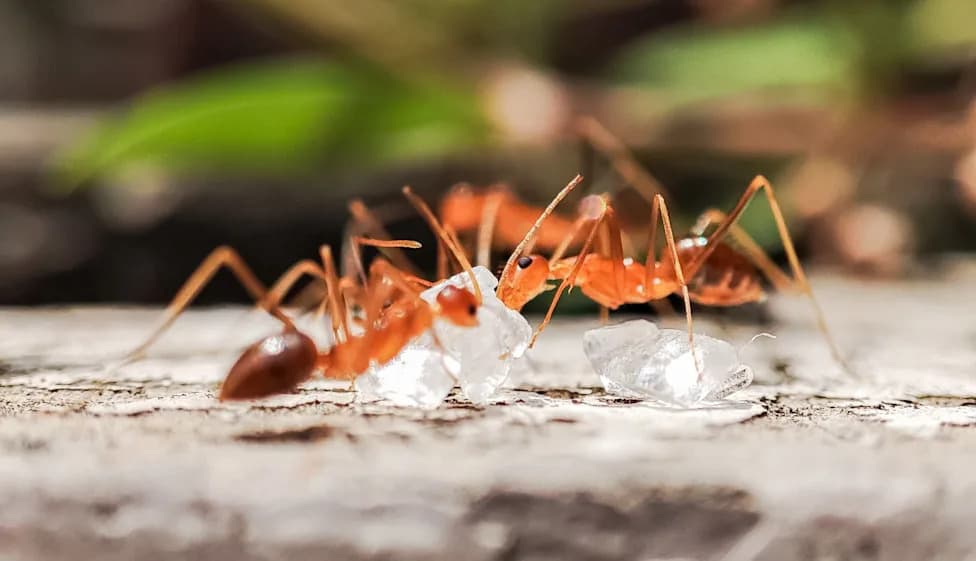
Photo Credit: iStock
Indigenous rangers on Australia's Melville Island have declared a major conservation victory: after more than 20 years of coordinated work with scientists, government agencies, non‑profits and private partners, the invasive tropical fire ant has been eradicated from the island.
Long-Term Collaboration and Local Leadership
Reports to Mongabay News indicate the ants were first detected on Melville Island in the early 2000s. The eradication effort — unusually large for this kind of campaign at roughly 3,790 acres — depended on sustained local capacity built through the Indigenous Rangers Program. More than 40 rangers contributed to management and removal work over the years; the current Tiwi ranger team now numbers 15.
How the Campaign Worked
The campaign focused on systematic nest searches, application of small, targeted amounts of Amdro insecticide bait, and rigorous follow‑up inspections. According to researchers, some residential yards were checked as many as fifty times to ensure no colonies remained. Program managers limited non‑target impacts by using the bait only where nests were found and by closely monitoring treated sites.
"We all felt so proud, because all the hard work of all those rangers over twenty‑two years paid off. It was an amazing achievement," said Stanley Tipungwuti, a Tiwi ranger involved in the program.
Why This Matters
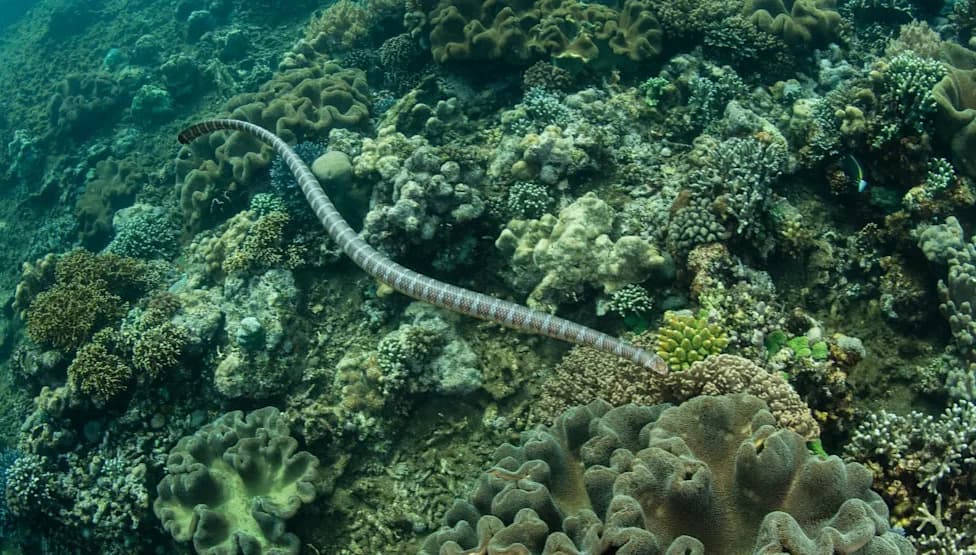
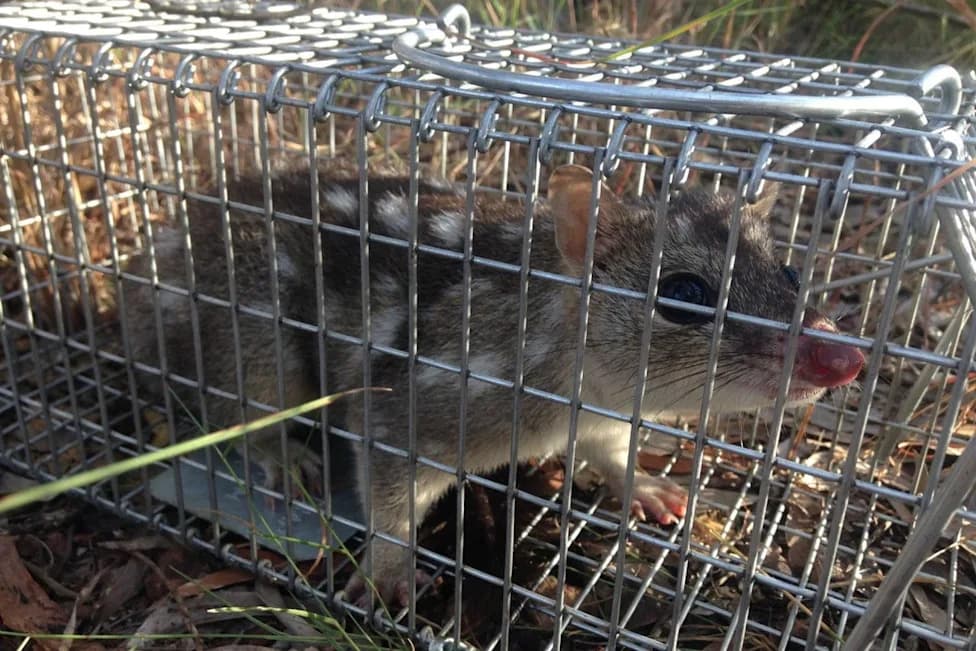
Invasive tropical fire ants can form massive colonies, bite people and wildlife, and alter ecosystems. Rangers and researchers warned the ants threatened small mammals, ground‑nesting birds and sea turtle hatchlings on the islands. Four sea turtle species on the Tiwi Islands are listed by the Australian government as endangered or vulnerable, and hawksbill turtles are classed as Critically Endangered by the IUCN — making removal of a destructive invader especially urgent in the island's fragile habitats.
Next Steps
Tiwi Island Rangers received the Territory Indigenous Natural Resource Management Award in Darwin in 2025 for the achievement. The team is now shifting focus to other invasive species, including feral pigs and cats, while maintaining biosecurity and surveillance to guard against new incursions. A biosecurity officer with the Tiwi Land Council continues to inspect incoming freight for invasive organisms.
Significance: The Melville Island eradication is one of the largest successful tropical fire ant campaigns recorded, demonstrating the power of long‑term local leadership, careful use of targeted control measures, and persistent follow‑up.
Help us improve.