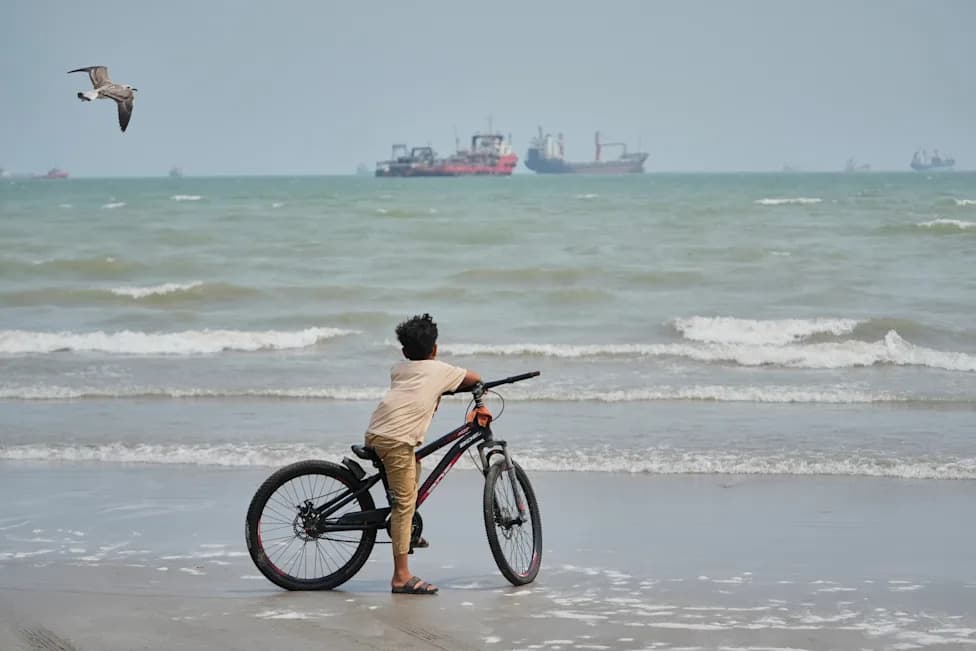
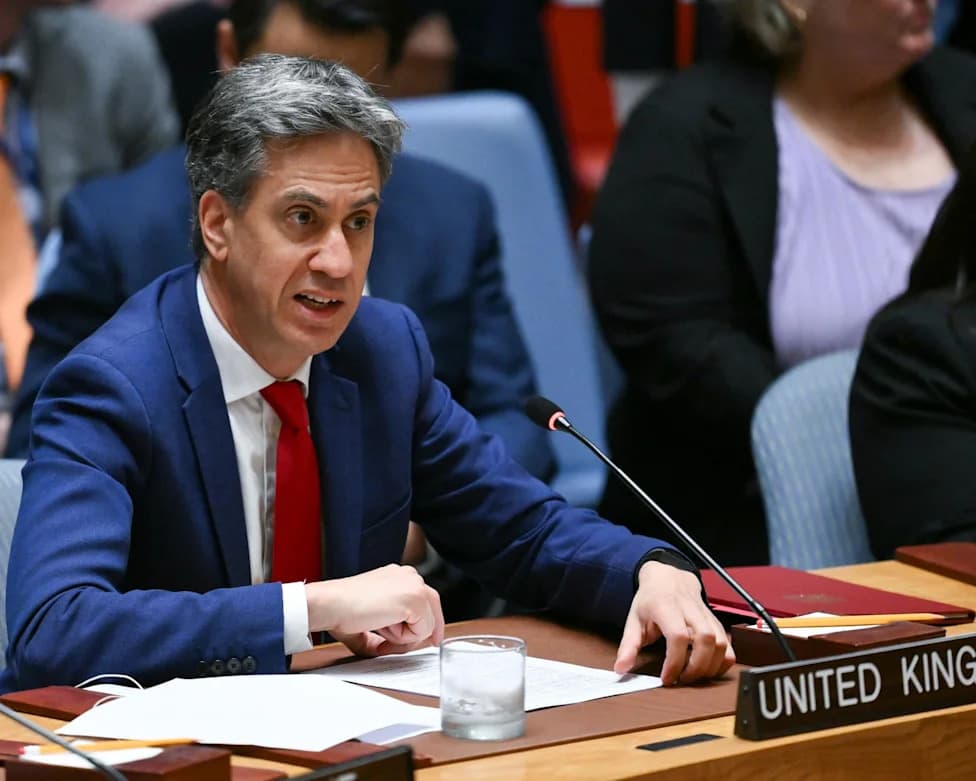
Iran's leadership says it is close to securing control over the Strait of Hormuz, betting that time and sustained military pressure will force U.S. concessions. Tehran is reportedly negotiating with Oman to co-manage the strait, but any agreement would require the United States to lift its blockade. While control of the passage would bolster Iran's leverage and reshape regional norms on navigation, the strategy risks deepening Iran's economic crisis and provoking domestic unrest and wider regional escalation.
Iran Says Victory Is Near: A High-Stakes Bid for Control of the Strait of Hormuz
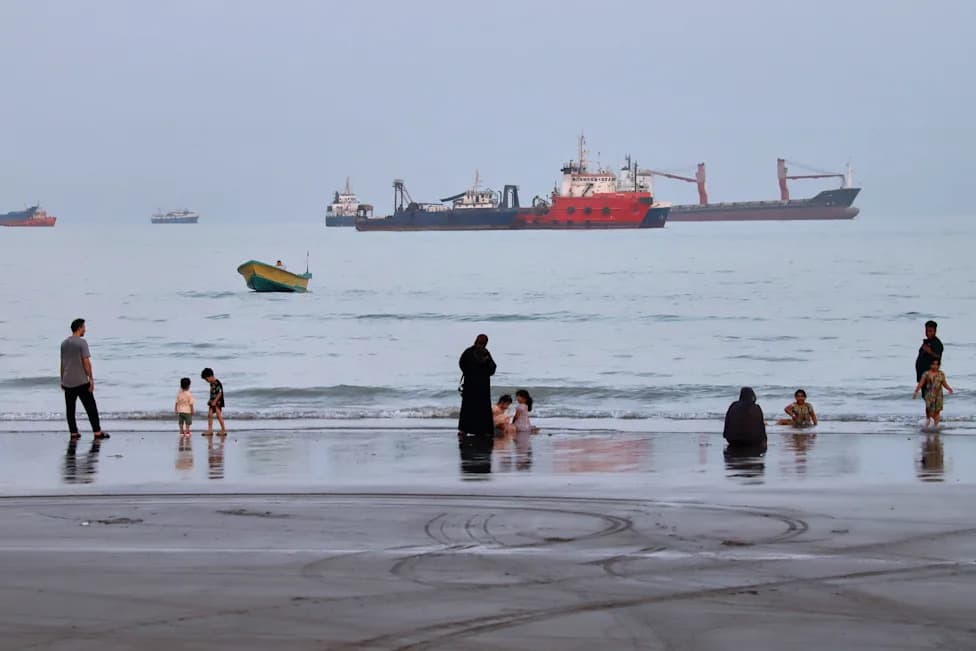
People spend time at a beach as commercial vessels are anchored in the Strait of Hormuz off Bandar Abbas, Iran, Wednesday, Aug. 5, 2026. (Amirhosein Khorgooi/ISNA via AP)(AP Photo/Amirhosein Khorgooi)
The Strait of Hormuz — a strategic chokepoint that once carried about one-fifth of the world's traded oil and gas — has become the central bargaining chip in a widening confrontation between Iran and the United States. Tehran's leaders say time and sustained military pressure favor them, and they are pursuing measures that could formalize Iranian control over passage through the waterway.
What Iran Is Betting On
Iranian officials argue that dwindling U.S. inventories of advanced missile interceptors, growing American public war fatigue, and the prospect of rising energy and consumer prices ahead of U.S. elections will combine to force Washington to accept a new status quo. Tehran is reportedly close to an arrangement with Oman to co-manage the strait, but any formal deal would be conditioned on the United States lifting its blockade — meaning final approval would fall to Washington.
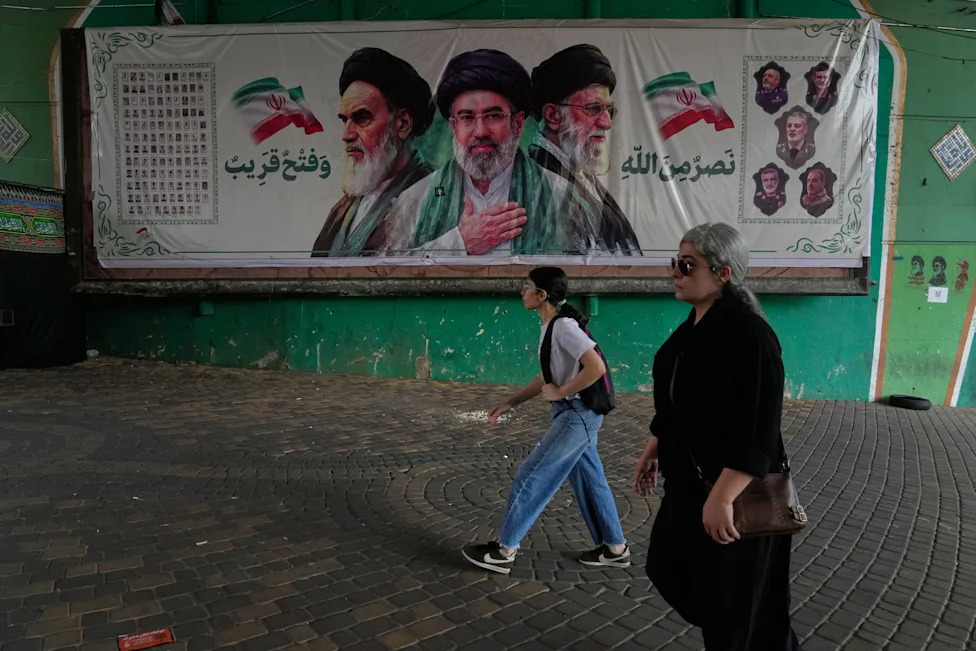
Women walk past a banner showing portraits of the late Iranian revolutionary founder Ayatollah Khomeini, left, Supreme Leader Ayatollah Mojtaba Khamenei, center, and the late Supreme Leader Ayatollah Ali Khamenei, who was killed in the U.S. and Israel strike on Feb. 28, under a bridge in northern Tehran, Iran, Sunday, Aug. 2, 2026. (AP Photo/Vahid Salemi)(AP Photo/Vahid Salemi)
Potential Gains and Strategic Aims
For Iran, control or formal management of even part of the strait would be more than a revenue play. Analysts and former advisers say Tehran seeks sovereign recognition of its authority over the waterway, strengthening its bargaining position with regional actors and giving it leverage in any future negotiations, including possible resumption of talks over its nuclear program.
"More than revenue from the strait, Iran wants to confirm its management and sovereignty over the strait," said Abdolreza Davari, who once advised former president Mahmoud Ahmadinejad.
Risks and Limits
Iran's strategy carries significant risks. U.S. and Israeli strikes have degraded parts of Iran's military and industrial base. A U.S. blockade and other pressure have helped trigger severe economic stress inside Iran, including triple-digit food inflation and a historic wave of anti-government protests that was met with a brutal crackdown. Analysts warn that prolonged economic collapse could spark renewed unrest and make Tehran's position untenable.
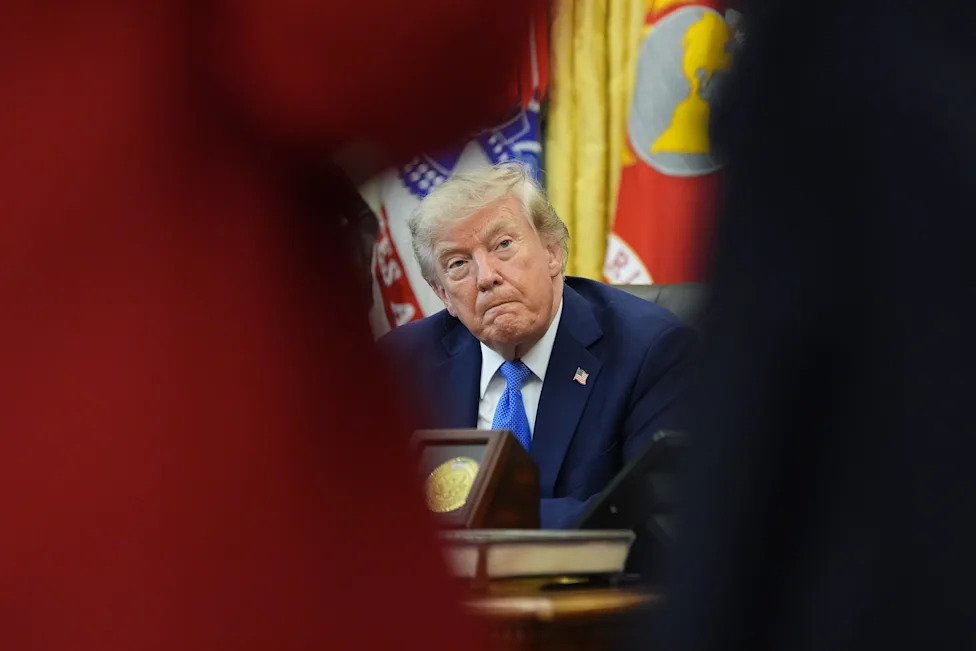
President Donald Trump speaks in the Oval Office of the White House, Thursday, Aug. 6, 2026, in Washington. (AP Photo/Alex Brandon)(AP Photo/Alex Brandon)
Washington, meanwhile, points to strikes that have hit Iran's senior leadership and military capabilities. President Donald Trump has alternated between threats of escalation and indications that diplomacy is possible, underscoring the uncertain path ahead. There is also international concern about the precedent of a state restricting a once-open global trade artery, which would erode established norms on freedom of navigation.
Wider Regional and Global Implications
Control of the strait would alter regional power balances and could prompt further escalation across the Middle East. Tehran's Houthi allies in Yemen could widen the conflict and target additional trade routes, and major powers with energy interests — including China — have urged a return to normal, safe passage. The disruption also risks keeping global energy and consumer prices elevated, a factor that Iranian strategists believe could pressure U.S. domestic politics.
Outlook
Iranian officials portray the situation as a moment of leverage: a chance to solidify gains and dictate terms. But the gains are fragile. Economic damage, internal dissent, and the unpredictability of prolonged conflict mean that Tehran's strategy could both strengthen its bargaining hand and eventually force it back to the negotiating table. For now, the standoff over the Strait of Hormuz remains a focal point where military pressure, diplomacy and domestic politics intersect — with global consequences.
Help us improve.