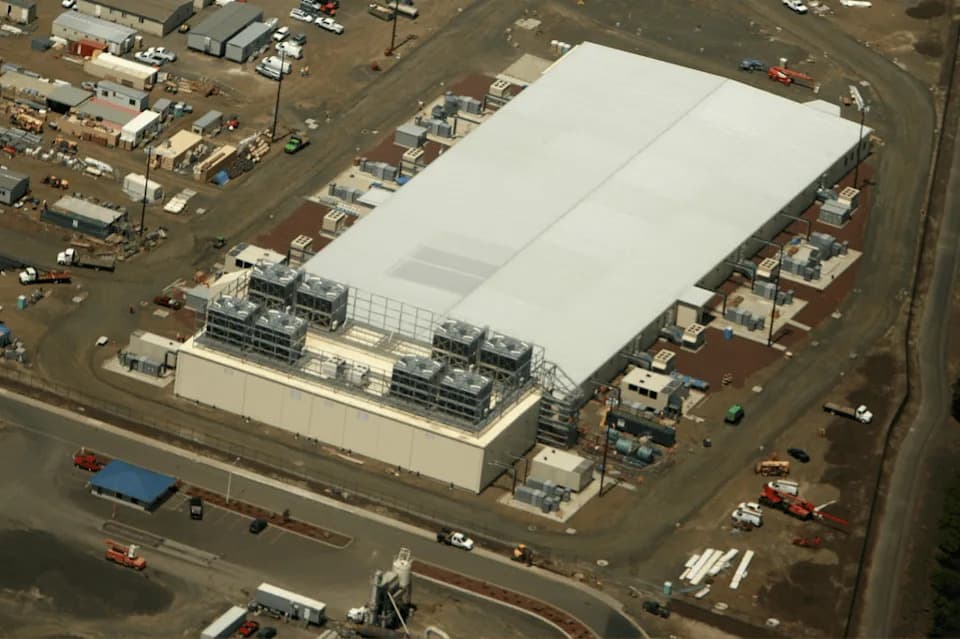
Local opposition near San Marcos has triggered state scrutiny of a fast-growing wave of AI data centers after the San Marcos City Council rejected a rezoning request near Torrie Martin's ranch. ERCOT reported more than 400,000 MW of requested capacity in April, with data centers making up about 89%, prompting batch reviews and a state-ordered audit. Regulators worry about grid strain, higher electricity prices, and significant water use—estimated between 29 and 161 billion gallons annually by 2030—while supporters say better planning and AI tools can help manage demand.
Texas Pauses Data Center Grid Hookups Amid Drought and Brownout Concerns Over AI Boom
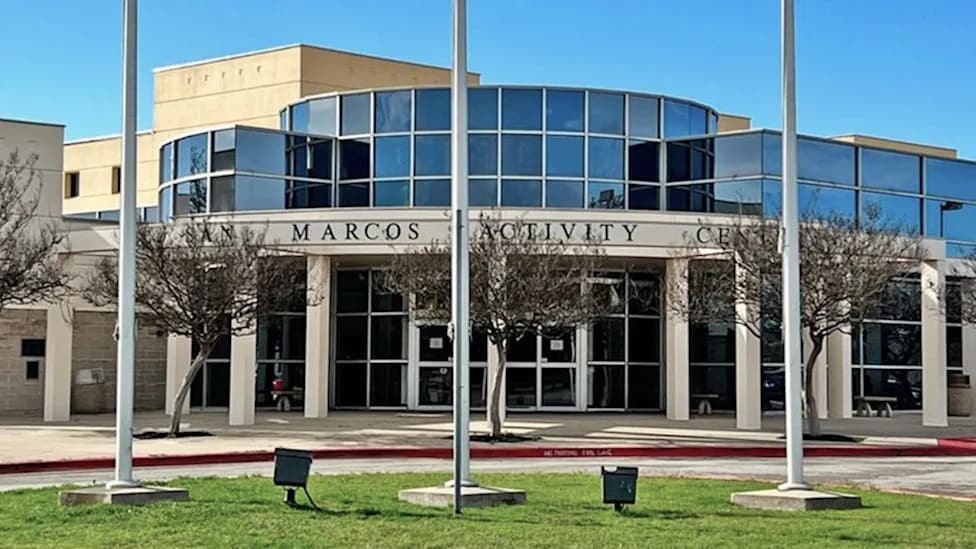
Photo Credit: City of San Marcos
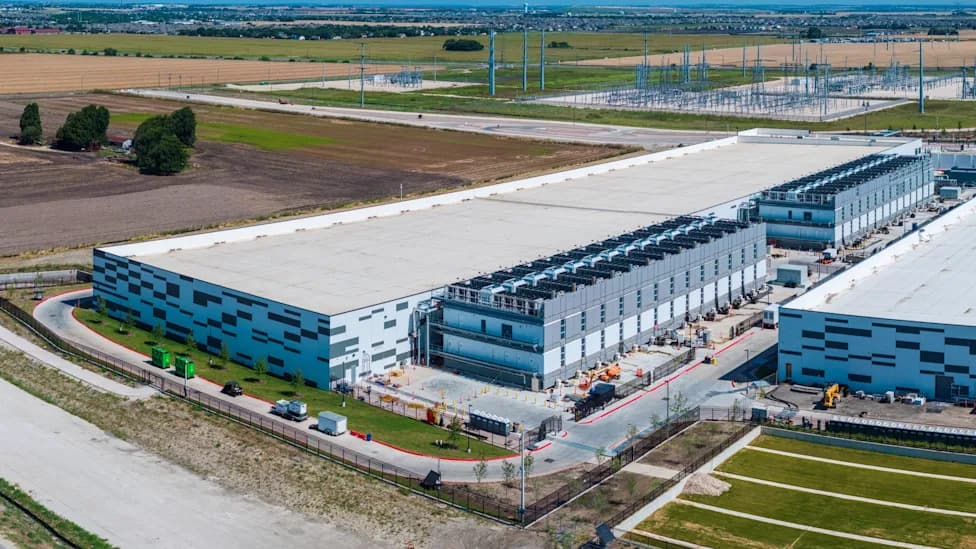
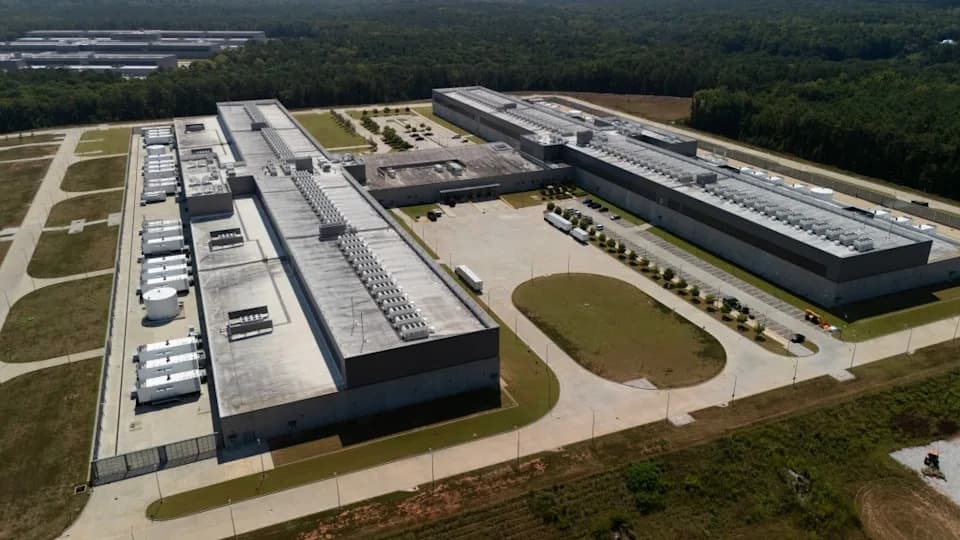
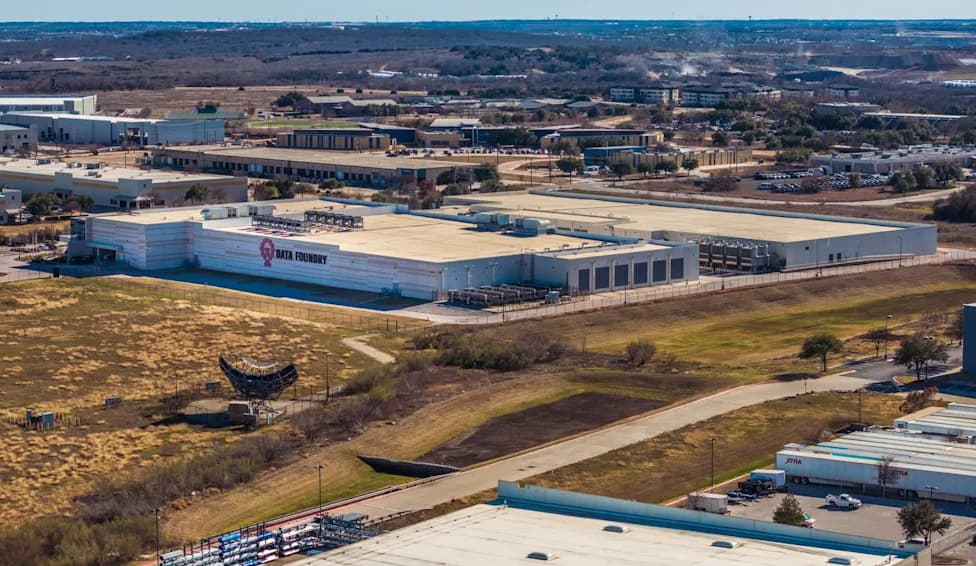
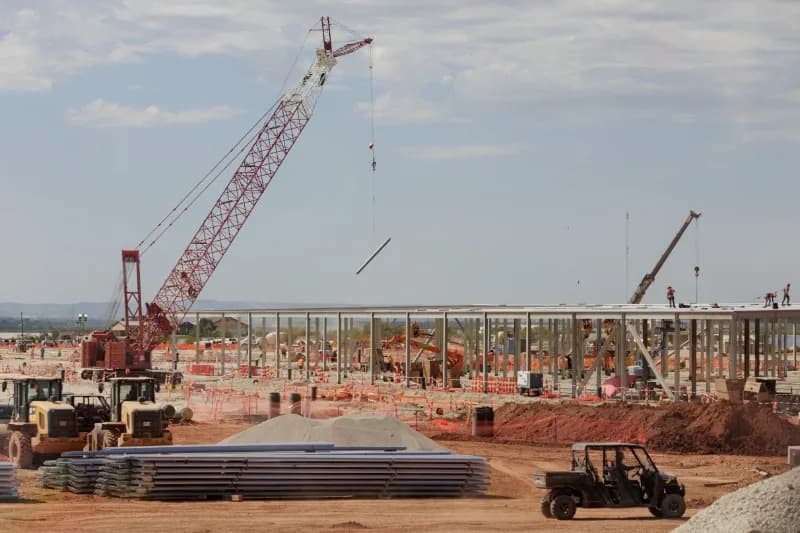
Local opposition and grid warnings have put a temporary brake on new data center hookups in Texas as officials weigh the power and water demands of a rapidly expanding AI industry.
Local Fight Sparks Statewide Review
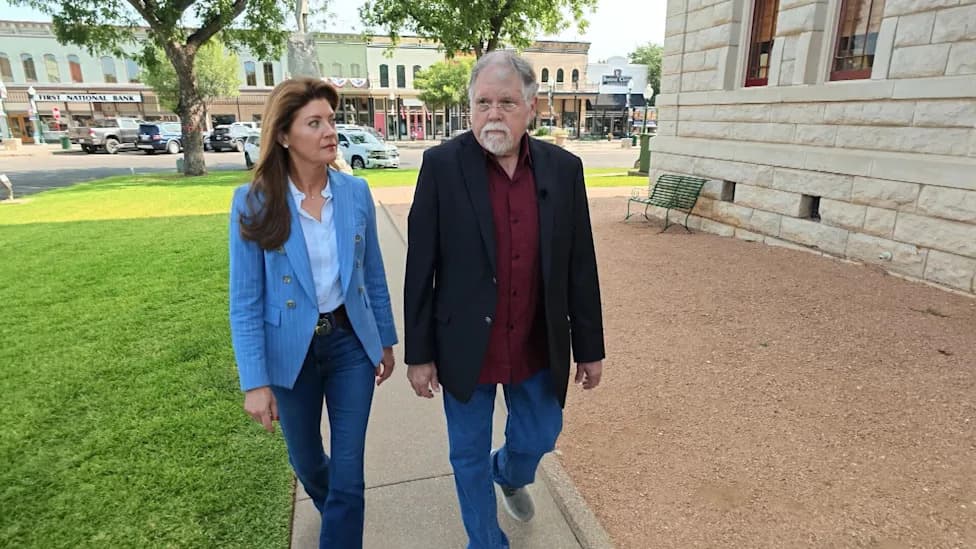
In February the San Marcos City Council denied a rezoning request for a proposed data center behind Hays County rancher Torrie Martin's property after hours of public testimony, KUT reported. Martin's land sits across from the Vistra Hays Power Plant in an area where residents report frequent service interruptions. "We do have brownouts kind of regularly and we get our water shut off at least twice a month," Martin said.
Massive Interconnection Demand
Regulators and grid operators are confronting unprecedented interconnection requests. In April, ERCOT reported more than 400,000 megawatts of requested capacity in its pipeline; KUT estimated that data center developers accounted for roughly 89% of that total. To cope with the surge, ERCOT began using a "batch process" in June to review groups of projects together rather than on an individual basis.
State Oversight and Delays
In August, Governor Greg Abbott ordered ERCOT and the Public Utility Commission of Texas (PUCT) to audit the data centers in ERCOT's interconnection queue and directed that no project proceed until the review is complete. The PUCT is also pursuing stronger reporting on data centers' electricity and water use and has discussed requiring registration of facilities with the state.
Key Concerns: Electricity, Water, And Costs
The AI-driven boom in large data centers raises three intertwined concerns: grid reliability, water availability (for cooling), and rising energy costs for consumers. Margaret Cook, vice president for Water and Community Resilience at the Houston Advanced Research Center, told KUT her team's projection shows Texas data centers could consume an estimated 29 billion to 161 billion gallons of water per year by 2030, depending on cooling technologies and siting.
"Retail electric prices have gone up 20 to 25% since 2020. In Texas alone, they've gone up 29%," said former state and federal energy regulator Alison Silverstein, noting that prices could climb further as new transmission, generation and a competitive equipment market push up costs.
Clustered Siting And System Planning
Experts note that data centers tend to cluster, which can intensify local impacts. "You're not just going to add one new data center here, you're probably going to add five or six in that location," said Brian Korgel, director of the Energy Institute at the University of Texas at Austin. ERCOT's batch-review system aims to better reflect that reality when evaluating grid impacts.
Arguments From Both Sides
Community members emphasize local impacts on power and water service. For residents like Martin, the fight is personal: "This is my home, and so I'm just standing up for it," she said. Industry supporters and some utilities counter that better planning, expanded transmission, and smarter demand management—including using AI to forecast and optimize grid operations—can accommodate growth without catastrophic failures. "ERCOT and the utilities are not going to let the grid break," Korgel added, while noting the broader question of whether Texas can sustain the economic development promised by data center investment.
The pause and increased oversight buy time for state agencies to measure cumulative effects and consider policies—such as registration, stricter reporting, and coordinated transmission planning—that could shape where and how future data centers are built.
Help us improve.