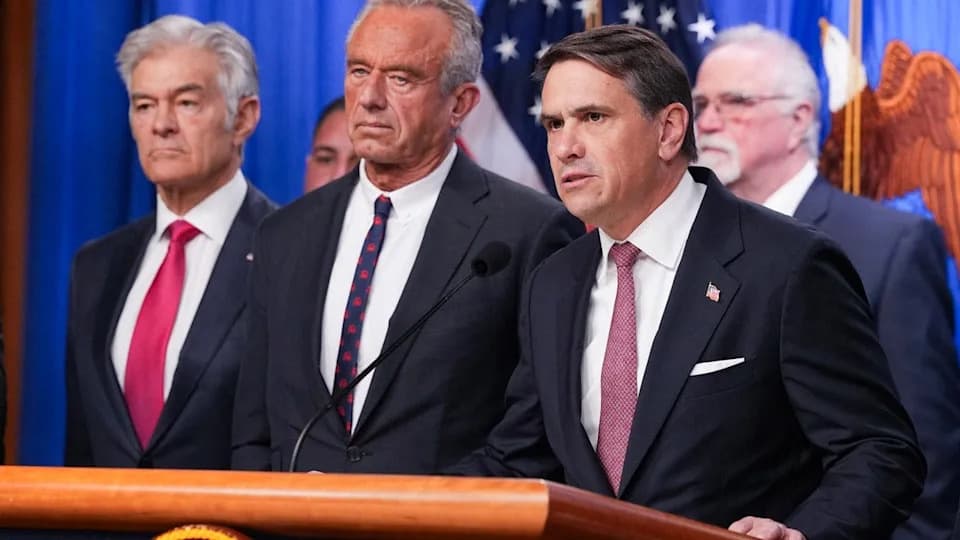
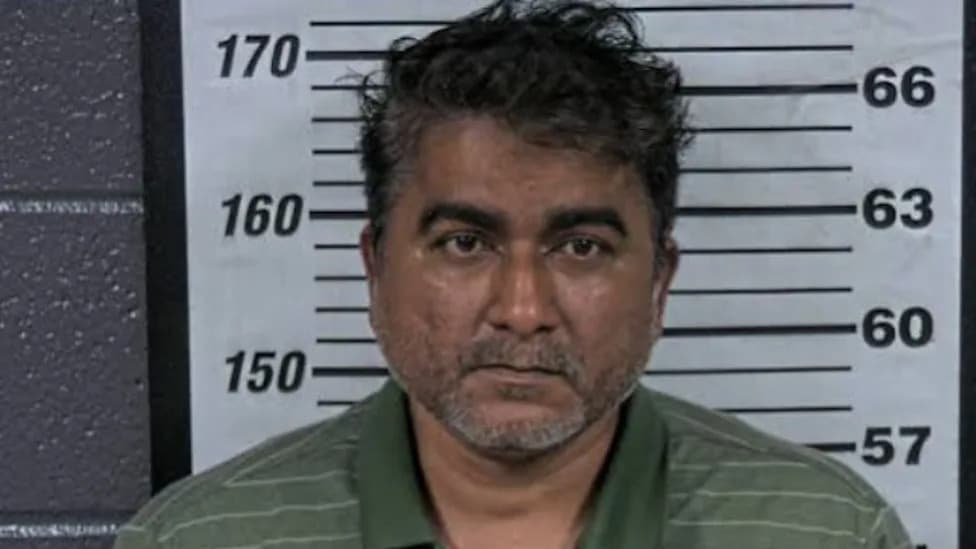
Four Columbus, Georgia, men pleaded guilty and were sentenced for participating in a scheme that used false Form 941 filings to claim Employee Retention Credits, producing $17,489,749.80 in attempted and actual taxpayer losses. The defendants—Christopher Upshaw, Johnathon Swift, Dontavis Williams and Donterious Sparks—received prison terms ranging from 41 to 115 months and were ordered to repay $1,295,812.06 tied to refunds they personally received. Investigators say the operation included more than 150 additional fraudulent filings and was uncovered during a wider probe called Operation Sweet Silence. The IRS warns businesses to keep thorough payroll documentation and to consult professionals if they believe a prior ERC claim was ineligible.
Four Sentenced in Georgia After $17.5M COVID-Era Employee Retention Credit Fraud
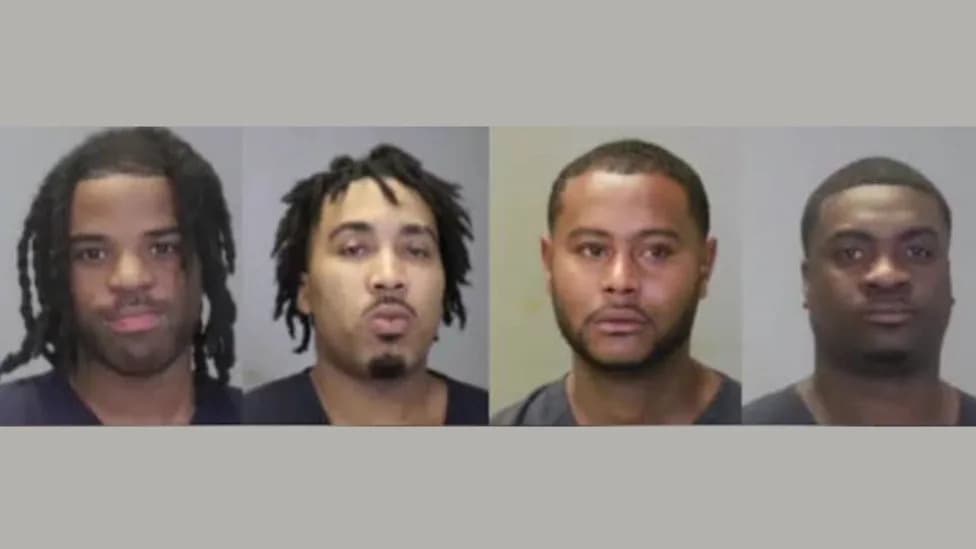
Four men from Columbus, Georgia, have been sentenced to federal prison after pleading guilty to mail fraud for their roles in a pandemic-era scheme that used false Form 941 filings to claim Employee Retention Credits (ERC). Federal investigators calculated combined attempted and actual losses to taxpayers of $17,489,749.80.
Scheme and Fraudulent Filings
According to the U.S. Attorney's Office for the Middle District of Georgia, Christopher Upshaw, Johnathon Swift, Dontavis Williams and Donterious Sparks used limited liability companies and false Form 941 returns to claim ERCs for businesses that did not have the employees or qualifying wages asserted on the filings. The four defendants initially filed fraudulent returns tied to businesses they controlled and later expanded the operation by preparing and electronically filing returns for other people in exchange for a percentage of the refunds.
Upshaw registered DOPE! Apparel, LLC in June 2022 and on April 29, 2023 electronically filed five false returns seeking COVID-related credits. The IRS issued five refunds to the business totaling $411,112.21. Investigators found no W-2s for Upshaw from 2019 through 2023, and Georgia Department of Labor records showed no evidence that DOPE! Apparel employed workers or paid the claimed wages. Prosecutors say Upshaw cashed the refund checks and used some of the proceeds to purchase a luxury vehicle.
Swift, Williams and Sparks used LLCs registered in their names to submit similar fraudulent claims. The U.S. Attorney's Office reports the defendants personally received 16 refund checks totaling $1,295,812.06, which were either cashed or deposited into bank accounts they controlled.
Scale Of The Operation
Investigators determined the attempted loss directly tied to filings by the four men was $2,250,423.67. The defendants then recruited others, helped some participants form LLCs and obtain employer identification numbers, and filed more than 150 additional Form 941 returns on behalf of third parties. Those filings produced $15,239,326.17 in combined attempted and actual losses, bringing the total loss to $17,489,749.80.
Investigation And Related Probe
The tax probe developed out of a broader federal operation called Operation Sweet Silence, which targeted organized criminal activity in Columbus. Law enforcement noticed unusually large IRS deposits into accounts connected to another individual, Tommie Mullins, and court-authorized wiretaps captured discussions about a 20% cut tied to a fraudulent ERC scheme. Mullins is not one of the four men sentenced in this case.
Sentences And Restitution
U.S. District Judge Clay Land sentenced the defendants on August 5. Dontavis Williams received the longest term: 115 months (9 years, 7 months) in federal prison, followed by five years of supervised release, and was ordered to pay $156,531.74 in restitution. Christopher Upshaw was sentenced to 96 months (8 years), plus five years of supervised release, and ordered to repay $411,112.21.
Johnathon Swift received 63 months (5 years, 3 months) in prison, five years of supervised release, and restitution of $417,095.56. Donterious Sparks was sentenced to 41 months (3 years, 5 months), followed by five years of supervised release, and ordered to repay $311,072.55. The combined restitution orders total $1,295,812.06, matching the refunds the four defendants personally received.
Swift, Williams and Sparks pleaded guilty to one count of mail fraud on January 21; Upshaw pleaded guilty on February 4. As prosecutors noted, there is no parole in the federal system.
IRS Guidance And Risks
The IRS continues to remind employers that ERC eligibility depends on each business’s specific facts. Employers should retain payroll records, Forms W-2, employment tax returns and documentation supporting wages used to calculate any credit. Businesses that believe they filed an ineligible ERC claim should consult a reputable tax professional; the IRS maintains a withdrawal process for certain unpaid claims or uncashed refund checks.
Warning: Improperly claimed credits can lead to repayment obligations, interest, penalties and possible criminal prosecution. Withdrawing a deliberately fraudulent claim does not guarantee immunity from investigation or charges.
Help us improve.