Henderson Police conducted a late‑June enforcement sweep that produced 49 citations and 39 towed electric‑powered devices after officers determined many machines exceeded the city's 750W motor limit and 28 mph assistance cap. Video released by the department shows officers explaining the rules to riders and parents, emphasizing safety and prevention. Officials cited two local fatalities in 2024 and national data on rising e‑bike injuries as reasons for the crackdown, while lawmakers consider clearer federal standards like the Safe SPEEDS Act.
Henderson Police Tow 39 Illegal E‑Motorcycles, Warn Parents: 'I'd Rather See You in Court Than at a Funeral'
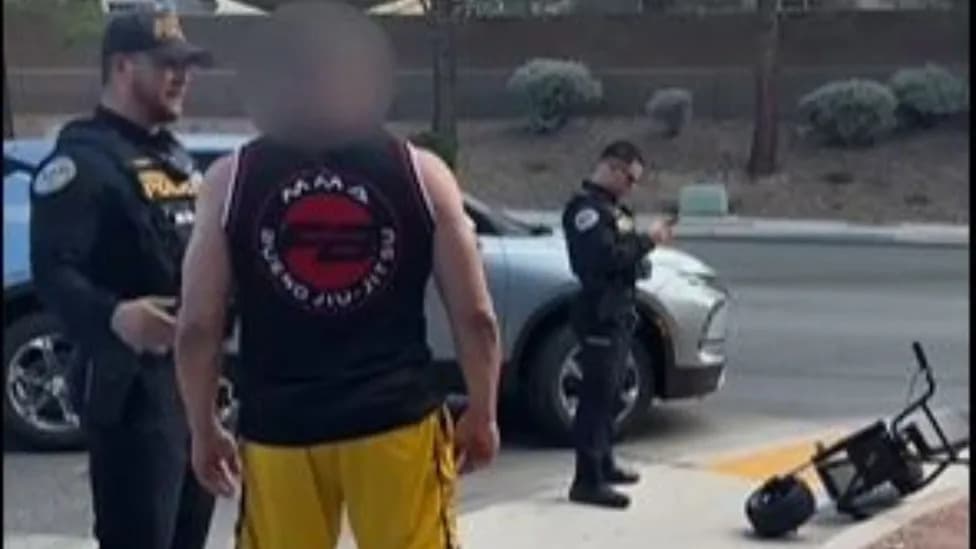
Image Credit: Henderson Police Department/ Facebook
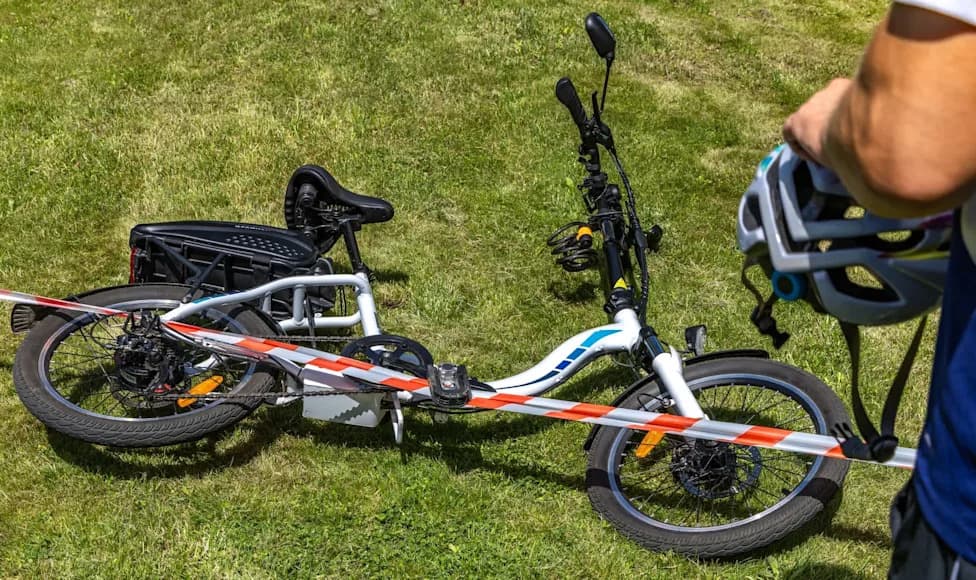
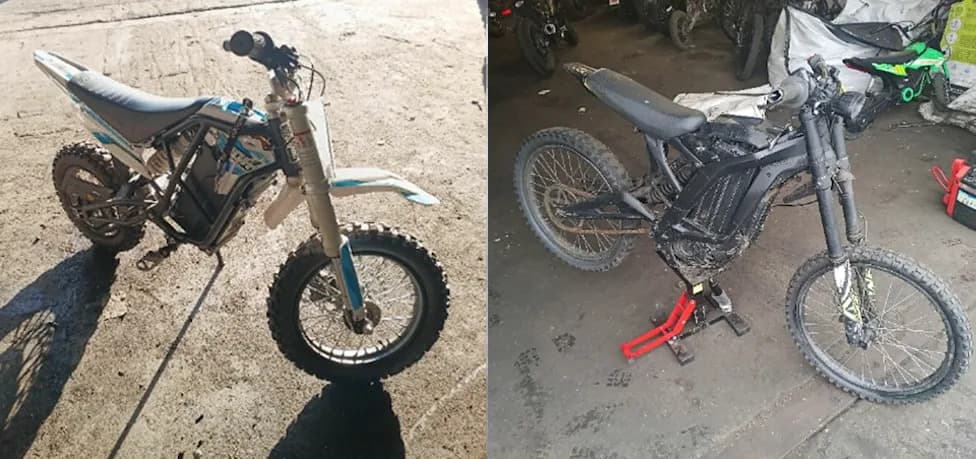
An enforcement sweep in Henderson, Nevada, exposed how widespread the city's problem with illegal high‑powered electric motorcycles has become. During a targeted late‑June operation, Henderson Police issued 49 citations and towed 39 electric‑powered devices officers say were not lawful to operate on public streets, sidewalks, trails, or in parks.
The department released video showing officers stopping multiple riders across the city and explaining why the vehicles fail to meet local rules. In several stops, officers spoke with concerned parents trying to understand why their children’s machines were being impounded.
Many conversations in the footage center on registration rules and local top‑speed limits, but one exchange stands out. An officer carefully explains that the goal of enforcement is not merely to write tickets or tow expensive bikes, but to avert far worse outcomes.
"Here in the City of Henderson, nothing can go over 28 miles per hour. This is basically something you'd have to ride out in the desert or on private property because anywhere in the city limits, they won't allow it," the officer says in the video. He adds: "It's a far better outcome than you having to go to a funeral for your kid. I have to enforce it."
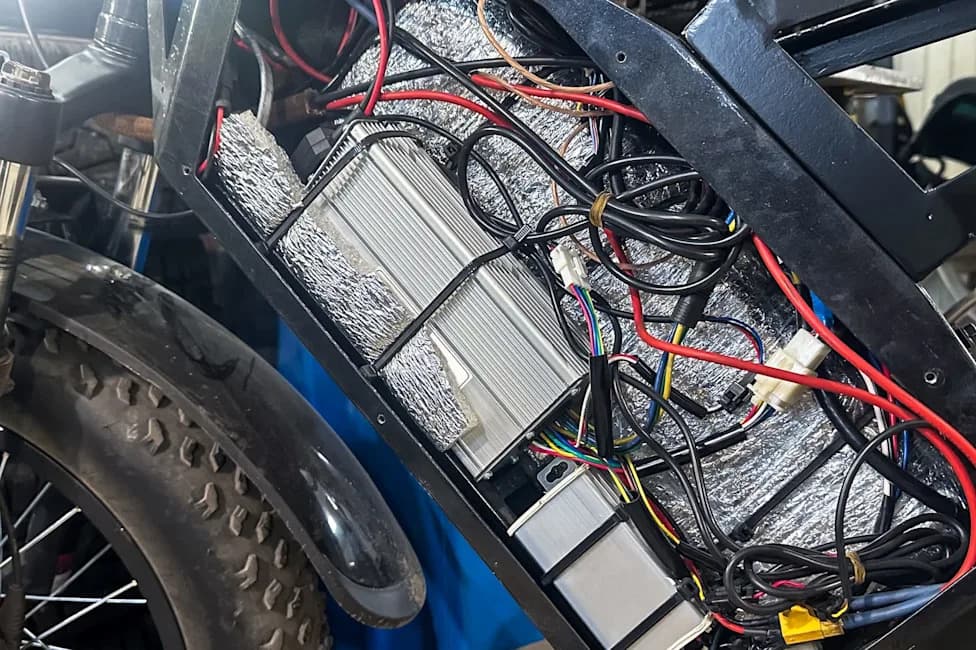
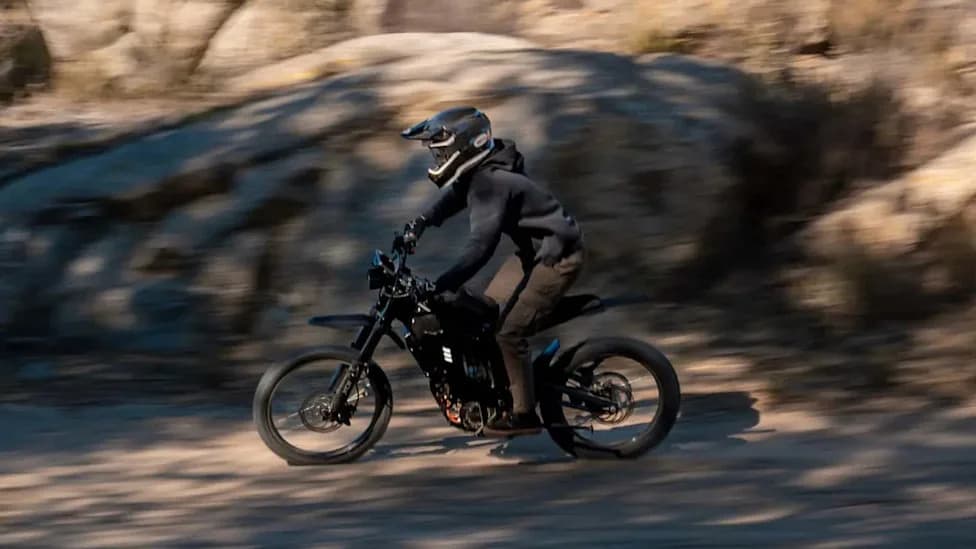
Henderson — like much of Nevada — makes a clear legal distinction between low‑powered electric bicycles and higher‑powered electric motorcycles. Under local rules, an electric bicycle cannot have a motor larger than 750 watts and must stop providing motor assistance at 28 mph. Vehicles that exceed those thresholds fall into a different classification and generally cannot be used as ordinary bicycles on public roads, sidewalks, trails, or in city parks.
Police say many of the machines they encounter are capable of much higher speeds and stronger acceleration, which disqualifies them from bicycle rules. Officers repeatedly tell riders the vehicles are being towed not because they are electric, but because they do not meet legal standards for use in the locations where they were found.
Why Officials Are Enforcing The Rules
Henderson officials say the regulations are meant to protect both riders and the public. High‑powered electric motorcycles can accelerate faster and reach speeds that raise the risk to pedestrians, cyclists, and motorists, particularly in residential areas and public spaces not designed for vehicles capable of topping 30 mph.
Henderson Police Sgt. Richard Paul told FOX5 Las Vegas the department investigated two fatalities involving electric mobility devices in 2024, tragedies that reinforced the need for proactive enforcement. Officers also report more teenagers operating illegal machines, many of whom may not realize their bikes exceed legal limits.
National Context
Henderson’s campaign reflects a nationwide challenge as high‑powered electric bikes and motorcycles grow more common. Research and federal data point to rising injuries and deaths: the American College of Surgeons has documented substantial increases in e‑bike‑related injuries, and the U.S. Consumer Product Safety Commission reported roughly 100 e‑bike fatalities between 2017 and 2022, with annual deaths rising from six in 2017 to 45 in 2022.
Some cities are already seeing the human cost. The Guardian reported New York City recorded 17 e‑bike fatalities in 2024, fueling debate over whether stiffer rules and better cycling infrastructure are needed. Lawmakers are also considering changes: many states now use a three‑class e‑bike system, and the bipartisan Safe SPEEDS Act has been proposed to standardize low‑speed e‑bike rules and improve labeling to help consumers distinguish legal e‑bikes from higher‑powered electric motorcycles.
What This Means For Riders
Officers stress that temporary inconveniences — citations, towing fees, and court appearances — are far preferable to the consequences of a serious crash. Henderson’s enforcement action is intended to reduce risk on public property and to educate riders, parents, and the community about which vehicles are allowed where.
Help us improve.