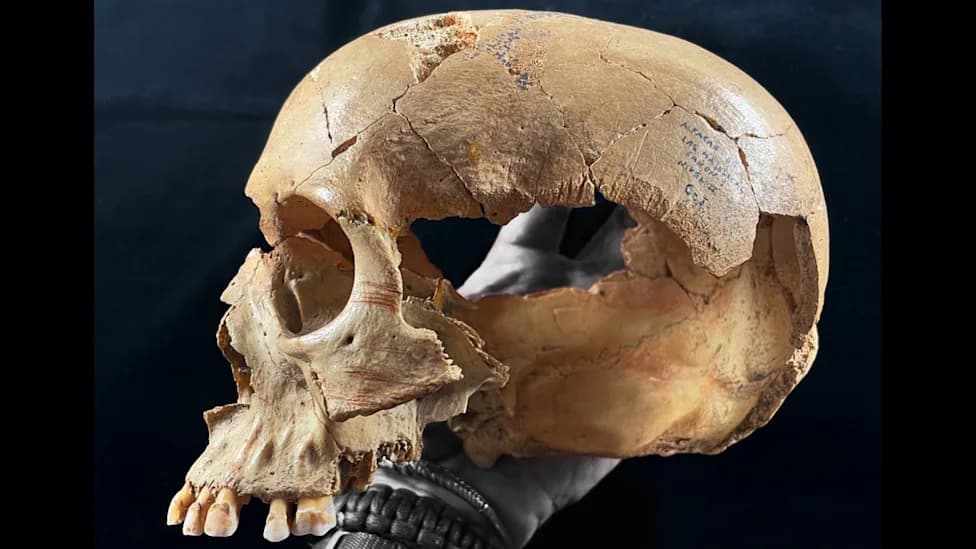
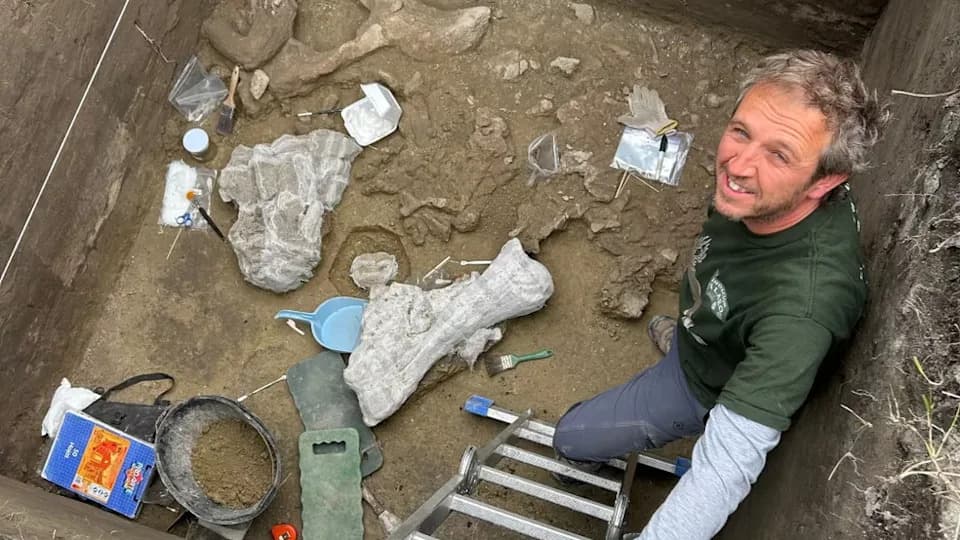
Researchers recovered 24 new human fossil fragments from Spain’s Gran Dolina cave, dated to about 850,000 years ago. Detailed analysis identified stone-tool cut marks on at least six adult individuals and human bite marks on some bones, strengthening evidence for deliberate processing. The expanded assemblage — at least 13 individuals, roughly half adults — shows cannibalism involved a wider age range than earlier juvenile-heavy samples suggested. Ongoing excavation promises to refine understanding of why and how these practices occurred.
Spain Cave Find Rewrites View of Ancient Cannibalism — Adults, Not Just Children, Were Processed
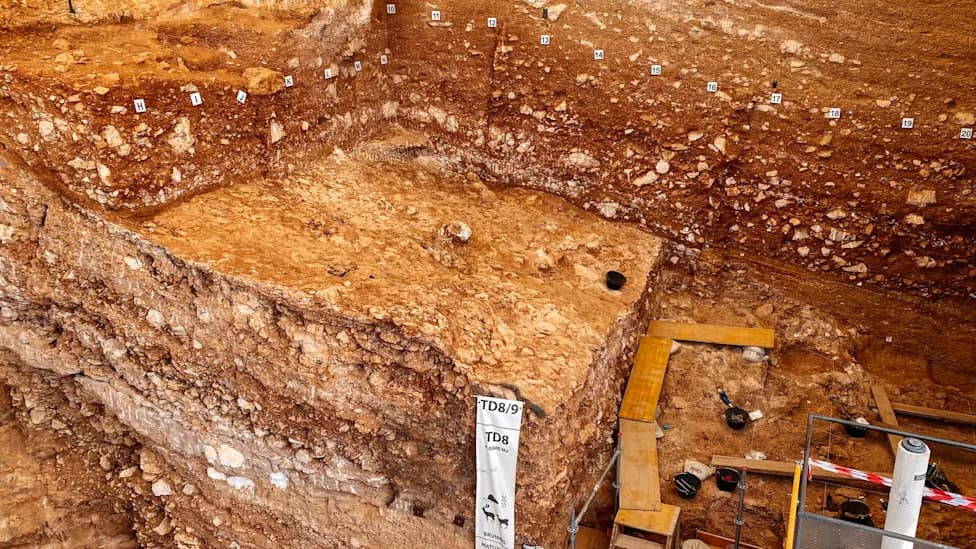
Photo Credit: iStock
New fossil evidence from the Gran Dolina cave in northern Spain has altered long-standing interpretations of alleged cannibalism by Homo antecessor. Researchers recovered 24 additional human fossil fragments, dated to roughly 850,000 years ago, and identified clear traces that suggest deliberate processing of human bodies alongside animal carcasses.
What the Team Found
Scientists from the Catalan Institute of Human Paleoecology and Social Evolution — as reported in Vice — described stone-tool cut marks on the bones of at least six adults, matching the kinds of incisions produced when animals are butchered. Some human bones also bear human bite marks, strengthening the interpretation that these remains were intentionally processed rather than only taphonomically damaged.
When combined with earlier material, the Gran Dolina assemblage now includes evidence for at least 13 individuals, roughly half of them adults. That broader sample undercuts prior suggestions that cannibalistic deposits at the site mainly reflected the targeting of children; instead, the practice appears to have involved a wider age range.
Context And Comparisons
Gran Dolina also preserves abundant faunal remains. Horses, deer, rhinos and hyenas show similar cut marks and processing patterns, indicating that hominins treated human and animal bodies in comparable ways. This suggests human remains were part of a mixed subsistence strategy — or that multiple behaviors (for example, nutritional cannibalism, conflict-related processing, or ritual actions) may have been involved. Researchers emphasize caution in assigning a single motive.
Why This Matters
Increasing the sample size changed the picture: a small, juvenile-heavy collection had given the impression of age-selective cannibalism, but the enlarged assemblage shows a more complex reality.
The new discoveries underscore how continued excavation, careful taphonomic analysis and additional finds can overturn tidy interpretations about prehistoric behaviour. Ongoing work at Gran Dolina will help archaeologists better evaluate the frequency, causes and cultural meaning of body processing in early Pleistocene Europe.
Note: Excavations and analyses are continuing, and researchers caution that motives for body processing are difficult to establish from bones alone.
Help us improve.