The author recalls Jamie Oliver's 2009 Food Revolution in Huntington and their own experience avoiding school lunches in nearby Shinnston. Research shows well-nourished students concentrate better, have higher attendance and earn higher grades, yet taste and appeal often limit the impact of nutrition reforms. Recent bipartisan momentum and state-level measures — including 2025 steps in West Virginia to restrict some artificial dyes and expand farm-to-school programs — are promising, but success depends on serving healthy foods students will actually choose.
Healthier School Lunches Matter — But Only If Kids Will Eat Them
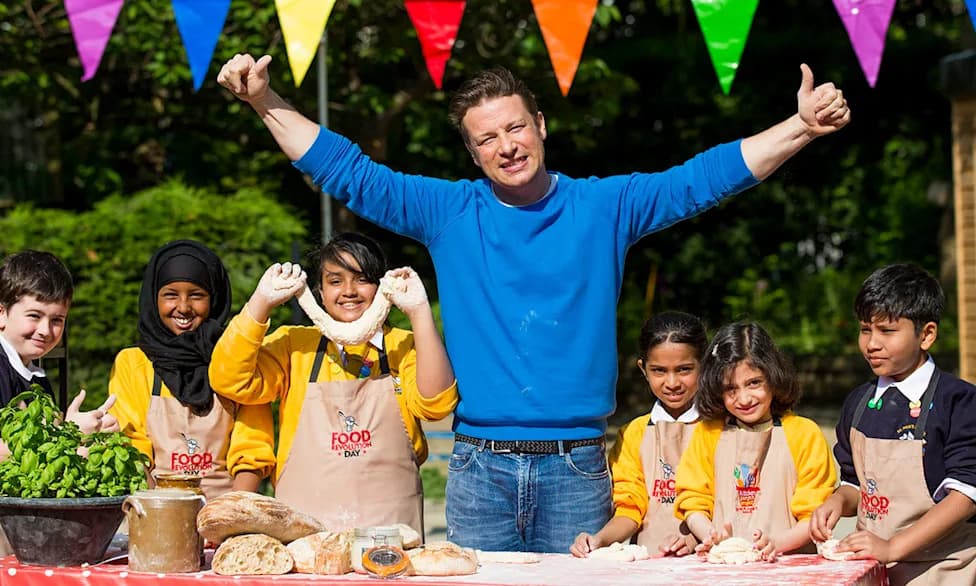
Shortly after Huntington, West Virginia, was labeled America's unhealthiest city in 2009, British chef Jamie Oliver arrived to film the first season of his TV series Food Revolution. The show highlighted frozen and highly processed foods in school cafeterias, pushed for made-from-scratch menus, and captured the tensions that arise when outsiders try to change local food culture.
About 200 miles away in Shinnston, West Virginia, I remember studying the weekly lunch menu with my mother to decide which days I should bring food from home. I rarely chose the cafeteria meal, preferring my mother's sandwich to what felt like cardboard pizza, soggy tater tots and canned fruit cocktail — meals that, for many kids then, defined the school-food experience.
Why School Food Matters
School lunches have long been a punch line in cafeterias across the country, but they also play a critical role in children’s health and learning. Research consistently shows that well-nourished students are better able to concentrate, have higher attendance, behave better in class and generally achieve stronger academic outcomes. Conversely, poor or unappetizing meals can contribute to obesity, diabetes, fatigue and other chronic conditions that undermine a child's ability to learn.
Federal Efforts And Local Realities
The connection between nutrition and learning is widely recognized: the National School Lunch Program has provided federally supported meals since 1946, and the Healthy, Hunger-Free Kids Act of 2010 tightened nutrition standards by encouraging more fruits, vegetables and whole grains while limiting sodium, trans fats and excess starch. Still, policy changes do not automatically translate into better-tasting food or higher consumption. I recall students sarcastically thanking Michelle Obama while staring at stale nachos and watery vegetables that technically complied with updated rules but did little to change the lunchtime experience.

Opinion: Making School Lunches Healthy Is Great – If Kids Will Eat What’s on the Tray
Renewed Momentum — And Local Action
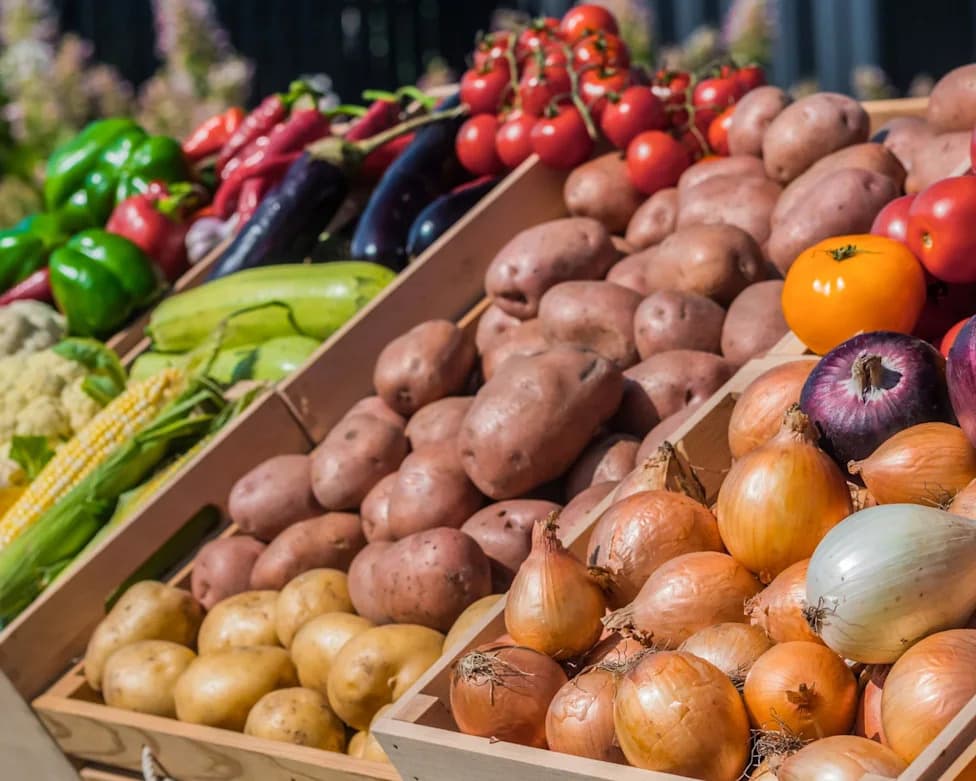
In recent years, a renewed, bipartisan movement to improve school nutrition has taken shape. Advocates and lawmakers have pushed to reduce ultra-processed foods, limit artificial additives, and expand farm-to-school programs that bring locally grown produce into cafeterias. In West Virginia, state lawmakers enacted measures in 2025 to restrict certain artificial dyes in school meals and have moved to expand programs that connect schools with local farmers. Legislators are also debating stronger standards around added sugar, sodium and ultra-processed foods, along with ways to strengthen summer feeding programs for children who rely on school meals outside the academic year.
Policy alone is not enough: healthier nutrition standards must be paired with attention to taste, presentation and school-culture change so students will actually choose and enjoy the food offered.
The Practical Challenge
West Virginia illustrates the scope of the challenge. Despite high-profile efforts more than a decade ago and recent state initiatives, the state continues to face pervasive poverty, food insecurity and poor child-health metrics — all of which affect learning and make it harder to change eating habits. The urgent task for policymakers and school leaders is not only to improve the nutritional quality of meals but also to ensure those meals are appealing, affordable and culturally acceptable to students.
What Success Looks Like
Meaningful progress requires coordinated action: strong nutrition standards, investment in kitchen infrastructure and staff training, partnerships with local farmers, and student-centered menu design. When schools offer tasty, nutritious food consistently, children are more likely to eat well and to reap the cognitive and health benefits that follow.
After decades of school lunches serving as cultural punch lines, the renewed focus on student nutrition is encouraging. Supporting students academically also requires supporting them physically — and improving educational outcomes often begins with making sure students are properly nourished and served meals they want to eat.
Help us improve.