Skilled emigration has accelerated since 2024 as richer nations actively recruit trained workers, with tertiary-educated people in some regions roughly 30 times more likely to leave. Nigeria and Romania show large outward flows of doctors; Zimbabwe’s nursing workforce has collapsed; Lebanon has lost over half a million people since 2019 and now depends heavily on remittances. Ghana and Albania also face serious workforce shortages that are reshaping local services and economies.
Six Countries Facing an Intensifying Brain Drain — What's Driving the Exodus

Image credits: Pexels
Each year a steady outflow of skilled professionals reshapes national economies: doctors leave rural clinics for hospitals in London or Toronto, engineers trade volatile currencies for stable overseas salaries, and teachers who trained on public scholarships end up instructing abroad. Since 2024 this ‘‘brain drain’’ has accelerated as wealthier states actively recruit qualified workers to fill domestic shortages.

1. Nigeria (Image Credits: Unsplash)
Across parts of sub-Saharan Africa, the Caribbean and the Pacific, people with tertiary education are roughly 30 times more likely to emigrate than those with less schooling. The six countries below are among those feeling the effects most sharply today.

2. Zimbabwe (Image Credits: Unsplash)
1. Nigeria
Nigeria’s health sector provides a stark example of how quickly skilled staff can vanish. More than 6,700 healthcare workers have moved to the UK’s National Health Service alone, and roughly 17,000 doctors born in Nigeria are now working across OECD countries. OECD data also show Nigeria among the countries with the fastest growth in outbound medical migration over the past two decades. Although medical schools continue to graduate clinicians, an increasing share view emigration as the most viable career path soon after qualification.

3. Lebanon (By Vyacheslav Argenberg,CC BY 4.0)
2. Zimbabwe
Zimbabwe’s healthcare workforce has thinned at an alarming rate. Between June 2023 and June 2024, 35,938 Zimbabweans were granted UK work visas, many to fill healthcare roles. The scale of departures prompted the World Health Organization to flag Zimbabwe on its red list of countries with critical health-worker shortages. Nursing has been especially affected: global migration data show Zimbabwe rising sharply as a source country, moving from 38th to 11th place among nurse-origin nations. Local officials warn the shortfall may not be resolved quickly and have estimated recovery could extend into or beyond 2029.

4. Ghana (Image Credits: Unsplash)
3. Lebanon
Lebanon’s exodus is tied to one of the steepest economic collapses of the past decade. More than half a million citizens are estimated to have left since 2019, a wave that accompanied the collapse of the national currency (which lost over 98% of its value before partial stabilization in 2024–2025). Medical professionals have been hit especially hard, and remittances—roughly 30% of GDP—now play an outsized role in sustaining the economy amid state and banking failures.

5. Albania (Image Credits: Unsplash)
4. Ghana
Ghana’s health system faces the same squeeze seen across parts of East and West Africa. High emigration rates are leaving hospitals and clinics understaffed and overstretched. Although Ghana continues to invest in medical education, much of that investment contributes to workforce capacity abroad when graduates take up posts overseas, deepening shortages at home.
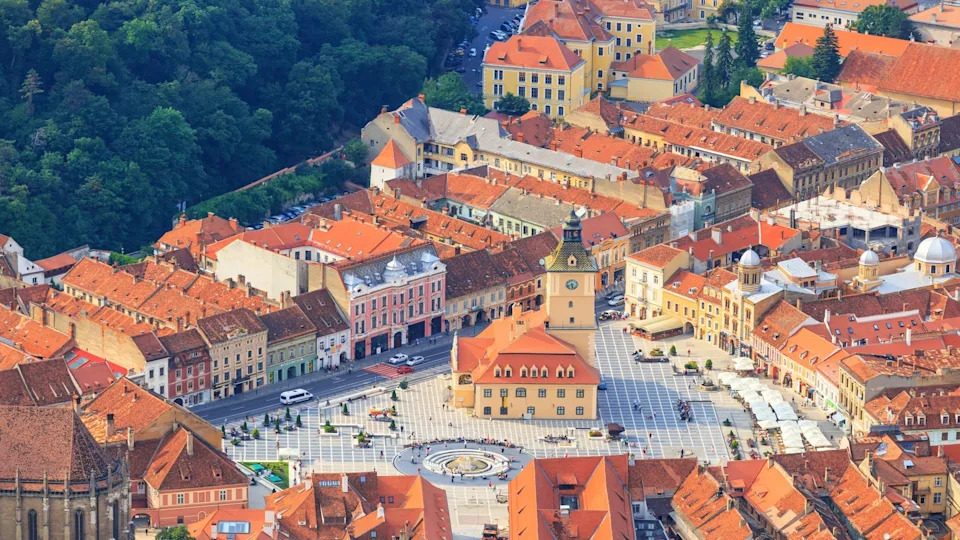
Image Credit: Depositphotos
5. Albania
Albania is one of the few non-African countries that routinely ranks near the top for emigration. Large outflows began before the COVID-19 pandemic and, unlike many countries, Albania did not see a lasting reversal afterward. The renewed exodus over the past decade has strained local labor markets, schools and healthcare services, and reshaped population dynamics across the country.
6. Romania
Romania’s brain drain is notable because much of it occurs within the European Union rather than across continents. OECD migration data identify Romania among the countries with the fastest growth in outbound doctor migration over the past two decades (alongside Nigeria and Greece). Many regions show signs of hollowing out: studies report dozens of European subnational areas—particularly in Bulgaria and Romania—losing significant shares of their skilled workforce to other EU states.
Why It Matters
Brain drain reduces health-system capacity, slows economic development and increases reliance on foreign-trained staff and remittances. Policy responses can include better retention packages, targeted training tied to service commitments, bilateral agreements to manage recruitment, and investment in working conditions at home. Without coordinated action, both sending and receiving countries face long-term economic and social costs.
Help us improve.