The Danube's record low in Budapest has exposed wartime remains, including two German Wehrmacht soldiers, a motorcycle with identity tags and 35 anti‑tank mines, the German War Graves Commission said. Commission staff exhumed the remains and an EOD team secured and removed the explosives. Officials warned more war dead and ordnance could surface from newly exposed shipwrecks as drought and heat keep water levels unusually low.
WWII Remains and Anti‑Tank Mines Exposed as Danube Hits Record Low in Budapest
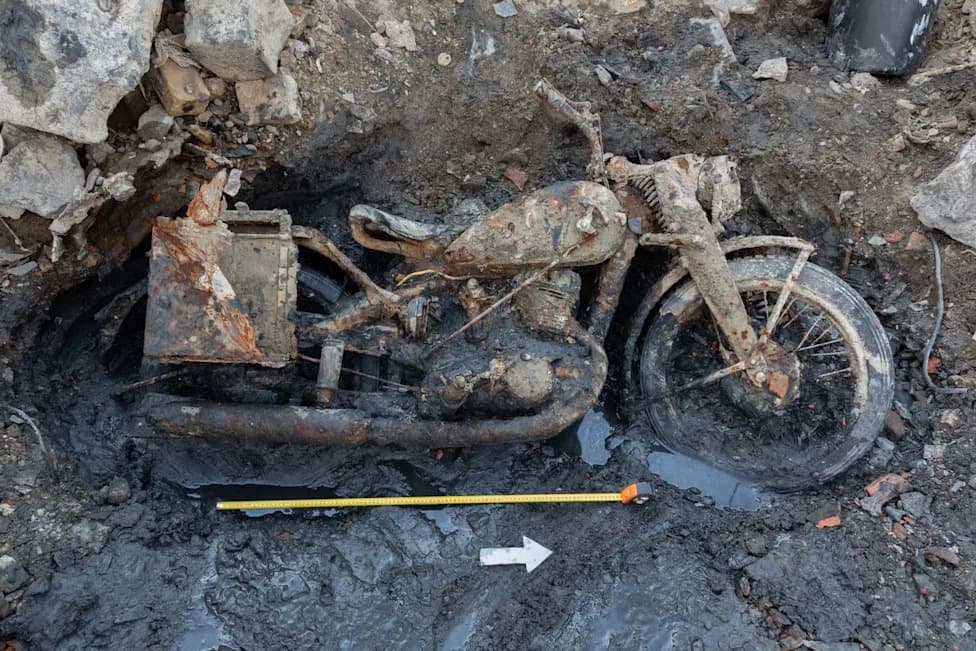
A Wehrmacht motorcycle from World War II is exposed by low water levels in the Danube near Budapest. The remains of two Wehrmacht soldiers and plate mines were also found, according to the German War Graves Commission. (is associated with: «WWII motorbike and soldiers' remains emerge as Danube hits record low») Gabor-Kohlrusz/Volksbunds Deutsche Kriegsgräberfürsorge/dpa
Record low water levels on the Danube in Budapest have uncovered wartime remains, including the bodies of two German Wehrmacht soldiers, a motorcycle with identity tags and dozens of anti‑tank mines, the German War Graves Commission said on Friday.
Staff from the Commission recovered and exhumed the soldiers' remains at the site. Authorities also discovered 35 anti‑tank mines, prompting the deployment of an explosive ordnance disposal (EOD) unit to secure and remove the explosives.
"The commission expects that war dead may also be recoverable from shipwrecks currently emerging from rivers," the organisation said, warning that additional human remains and wartime ordnance could surface as water levels fall.
Investigators noted that the motorcycle and two identity tags were unusually well preserved. Officials said the chemical composition of the harbour silt helped protect these items from rapid decay.
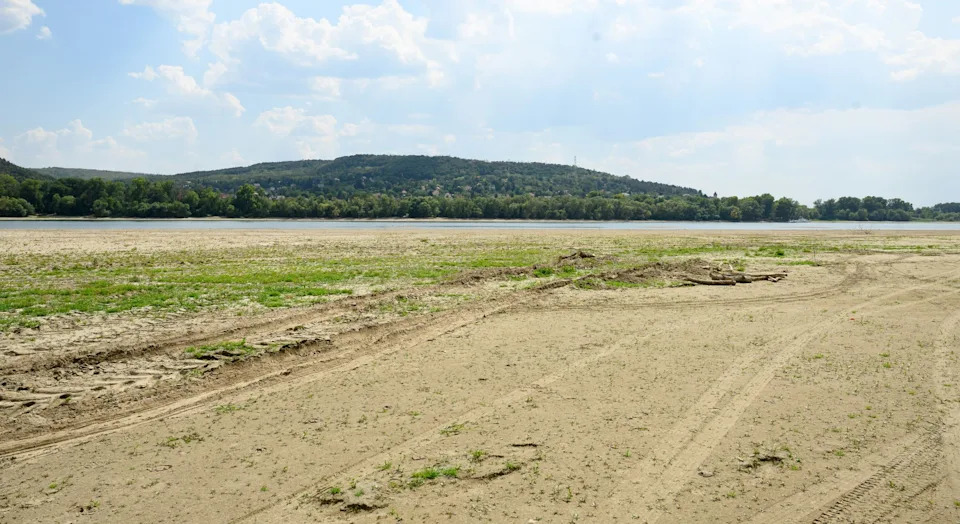
FILE PHOTO - A general view of the site where a British anti-ship mine dating back to the World War II were discovered, after the drop of the Danube's water level near the village of Virt. (is associated with: «WWII motorbike and soldiers' remains emerge as Danube hits record low») Henrich Mišoviè/TASR/dpa
Drought and Safety Concerns
Authorities attribute the Danube's historic low to prolonged heat and drought. The drop in water levels has halted river cruise traffic along the Budapest stretch and exposed other low‑water sites where similar wartime finds have appeared.
File images from other locations show comparable discoveries, such as a British anti‑ship mine from World War II that emerged near the village of Virt after the river level fell. Officials emphasised the dual importance of recovering the war dead with dignity and ensuring public safety while clearing explosive remnants.
What happens next: The remains recovered will be handled by the German War Graves Commission according to standard exhumation and identification procedures, while EOD teams will continue to assess and neutralise any remaining ordnance found as the river recedes.
Help us improve.