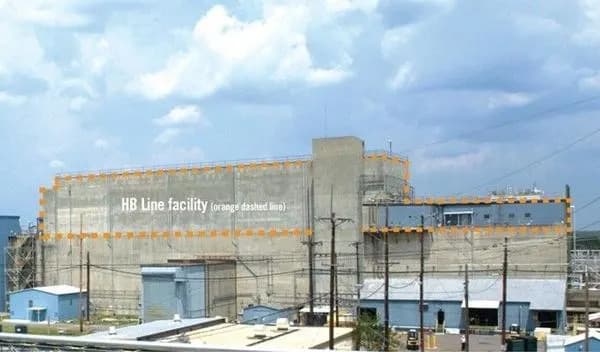
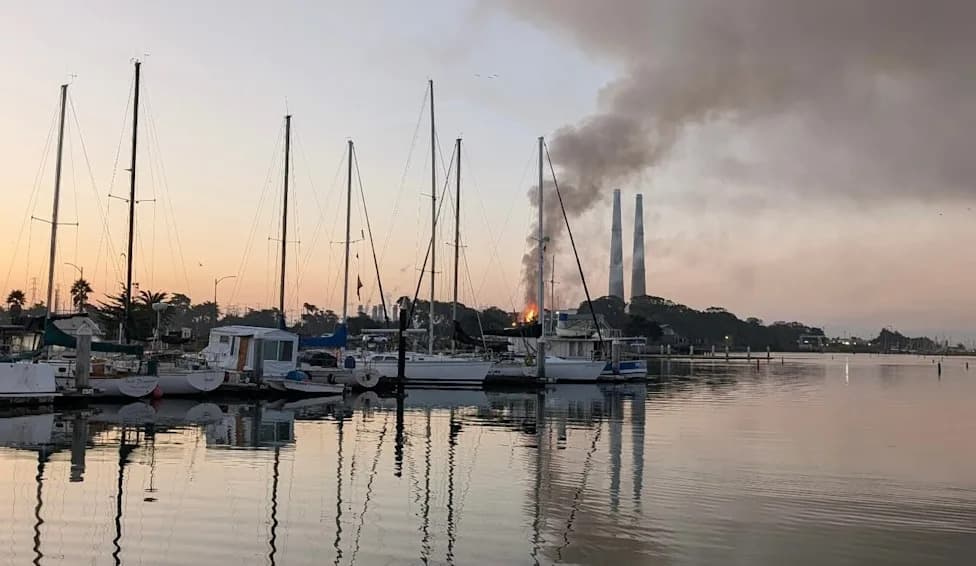
Residents of Progress Village, a historically Black community near Tampa, say Mosaic’s plan to expand a phosphogypsum waste stack at its Riverview site could expose more than 11,000 people to increased cancer risk. The $260 million expansion would extend operations for about 16 years and is being fast-tracked under a federal critical-minerals review. Locals and advocates describe the proposal as an environmental justice issue because the stacks sit close to homes, a recreation center and a middle school.
Expanded Radioactive Waste Stack Near Historically Black Progress Village Could Put 11,000 At Risk
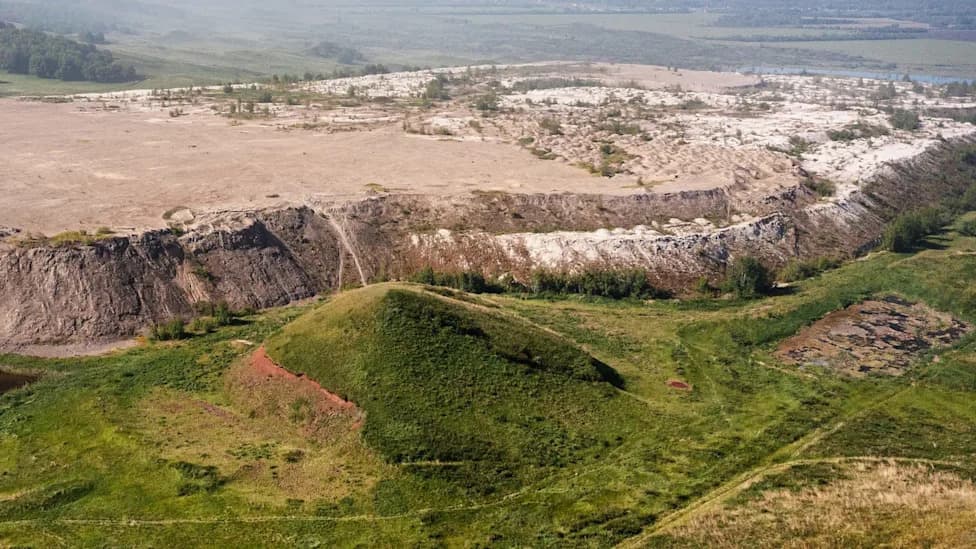
Photo Credit: iStock
Residents of Progress Village, a historically Black neighborhood southeast of Tampa, Florida, warn that plans to expand a radioactive phosphogypsum waste stack at Mosaic’s Riverview facility could increase cancer and health risks for more than 11,000 people who live, work, and go to school nearby.
Mosaic’s Riverview site contains two phosphogypsum stacks that store byproducts of phosphate fertilizer production. The stacks contain radium, which decays into radon gas; both substances are radioactive and have been linked to elevated cancer risk and other health concerns when exposure occurs.
What Is Proposed
The company is proposing a roughly $260 million project to enlarge one of the stacks and keep operations running for an additional 16 years. According to reporting by Inside Climate News, the plan is being advanced through an expedited federal review process tied to an executive order on critical minerals issued during the Trump administration.
Community Concerns and History
Progress Village was developed in the late 1950s as low-cost housing for Black families displaced by construction of Interstate 75. Residents and local advocates say the stacks’ proximity to homes, a recreation center and a middle school makes the expansion particularly alarming and emblematic of a broader pattern of hazardous facilities sited near historically underserved communities.
The fight over the stacks is longstanding: Hillsborough County commissioners approved the facility in 1984 despite local opposition. Neighbors say that approval and the current push to expand reflect persistent environmental justice and public-health questions.
Risks Beyond The Fenceline
Experts and community members note that a fence cannot always contain the risks. Heavy rain, hurricanes, high winds and other extreme weather can increase the potential for releases from waste piles. Those risks are especially concerning given the stacks’ location adjacent to community spaces and schools.
"If they tried that anywhere else, it would be all on the news," said lifelong Progress Village resident Sean Bell Sr., 53, calling the proposal environmental racism.
Residents continue to oppose the expansion and press for greater oversight, transparency and protections. The project, however, is moving through the expedited federal review process, raising urgent questions about how environmental and public-health risks are weighed against industrial permitting and economic priorities.
Help us improve.