Robert Tombs argues that the Jason Arday case reveals systemic lapses across several universities and selection committees. He highlights apparent failures in standard PhD procedures at Liverpool John Moores, questions the vetting that led to appointments at Durham, Glasgow and Cambridge, and criticises responses that appeared to deflect or dismiss whistle-blowers. Tombs calls for independent review, transparent findings and policy reforms to restore trust in academic processes.
Cambridge Failed at Every Turn in the Jason Arday Affair — Institutional Trust Under Question
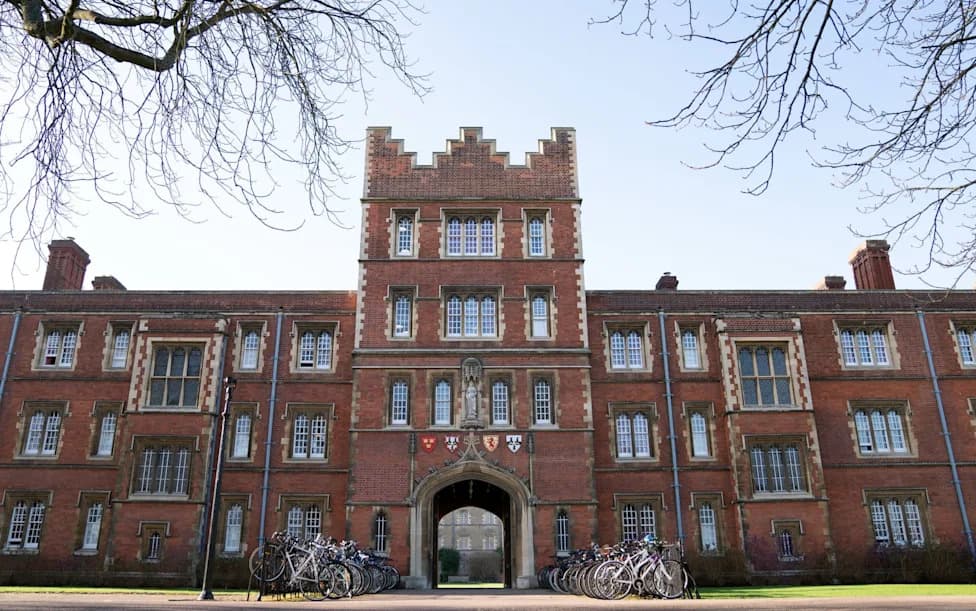
Jason Arday was given a much-prized fellowship at Jesus College, Cambridge - Joe Giddens/PA Wire
The unfolding controversy over Professor Jason Arday raises urgent questions about how multiple universities and senior academics handled allegations of possible academic misconduct. What appears to be a pattern of missed signals, inadequate scrutiny and institutional deflection now demands a clear, transparent response.
Background
Although a fellow at the same university, I did not know Prof Arday until these allegations surfaced. His work — for example, an article entitled “Dismantling Power and Privilege through reflexivity: Negotiating Normative Whiteness, the Eurocentric Curriculum and Racial Micro-aggressions within the Academy” — is specialised and would typically be familiar primarily to scholars working in that field.
Where Safeguards Seem To Have Failed
Questions first centre on Liverpool John Moores University (LJMU), where Arday completed a PhD. The normal doctoral process includes: approval of the research proposal; assignment of a supervisor who reads drafts; a formal progress review after a year; submission of a completed thesis; assessment by two independent examiners who provide written reports and conduct an oral viva; and final scrutiny by an awards committee before the PhD is conferred.
According to publicly available accounts, none of these routine checks appear to have identified that Arday’s thesis bore a near-identical title to a thesis by Dr Paula Zwozdiak-Myers, or recognised numerous strong resemblances to her work. In a small, specialised field where seminars and conferences foster close professional awareness, it is striking that such similarities were not noticed or pursued.
Appointments and Vetting
Prof Arday subsequently held positions at Durham and Glasgow before being appointed a professor at the University of Cambridge and receiving a fellowship at Jesus College. Academic appointments are normally competitive and transparent: posts are advertised; selection panels review applications, CVs and publication records; referees are consulted; and any substantive concerns raised in references or by examiners will typically be investigated during the hiring process.
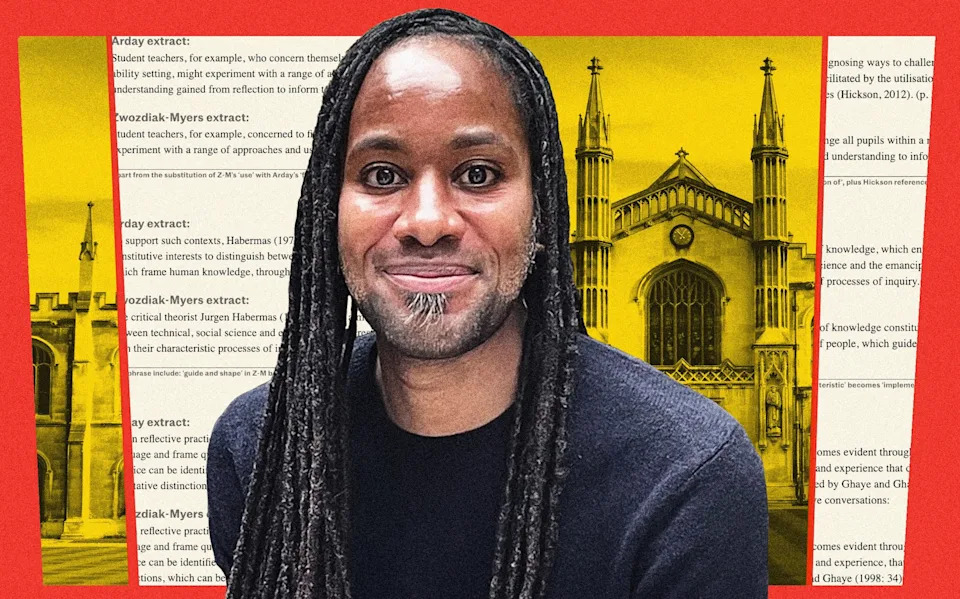
I have seen some strange goings-on in academe in my time but Prof Arday's case is on an entirely different level
Given the later allegations, it is reasonable to ask whether those recruitment and vetting procedures were properly followed and whether references and background checks flagged any earlier complaints. If decisive reservations existed and were overlooked, candidates who were passed over may have grounds for grievance.
Allegations, Responses and Accountability
It is reported that concerns about the originality of Arday’s work were raised years ago and that LJMU dismissed the complaints. If true, this raises two questions: did LJMU examine the evidence thoroughly and reach a defensible conclusion, or did it fail to investigate properly? And did LJMU inform subsequent employers, including Cambridge, of the earlier complaints?
Cambridge authorities were reportedly aware of accusations but appear to have deferred to LJMU. Some responses from the university community — in particular, characterising whistle-blowers as motivated by racism — risked deflecting substantive inquiry into the work itself. Institutions must balance sensitivity around race and equity with rigorous handling of academic integrity concerns.
Wider Implications
Trust is the currency of academia. Referees, examiners, editorial boards and appointment panels are expected to act conscientiously. Where that trust breaks down, universities must answer for the consequences to affected colleagues, students and the scholarly record.
This affair is not only about one scholar’s career; it tests how effectively institutions detect, investigate and communicate about potential misconduct. If processes were inadequate or actors chose to look away, those failures should be identified and remedied.
What Should Happen Next
- Independent Review: An independent review of the procedures followed at LJMU and any communications with subsequent employers should be commissioned.
- Transparent Findings: Findings and, where appropriate, redacted evidence should be made available to restore trust while respecting privacy and legal constraints.
- Policy Reforms: Universities should clarify and strengthen policies on how allegations of plagiarism and other research misconduct are reported, escalated and disclosed during hiring.
Academia depends on professional integrity and transparent processes. The institutions involved must now explain clearly what happened, why, and what steps they will take to ensure that similar failures do not recur.
Robert Tombs
Emeritus Professor of History, University of Cambridge
Help us improve.