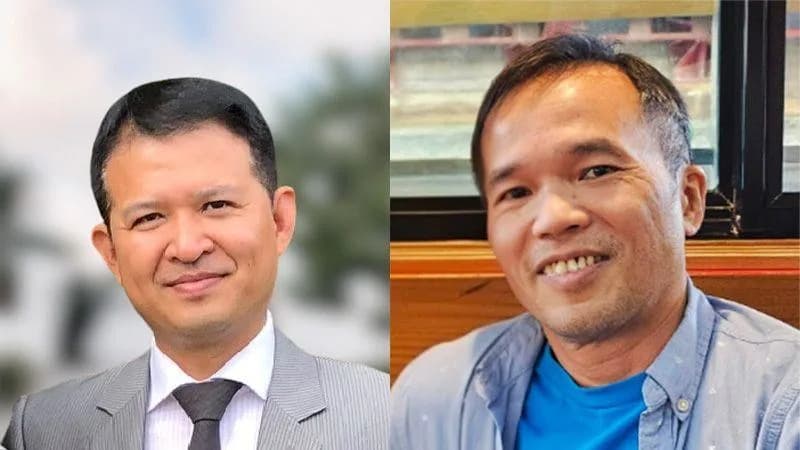
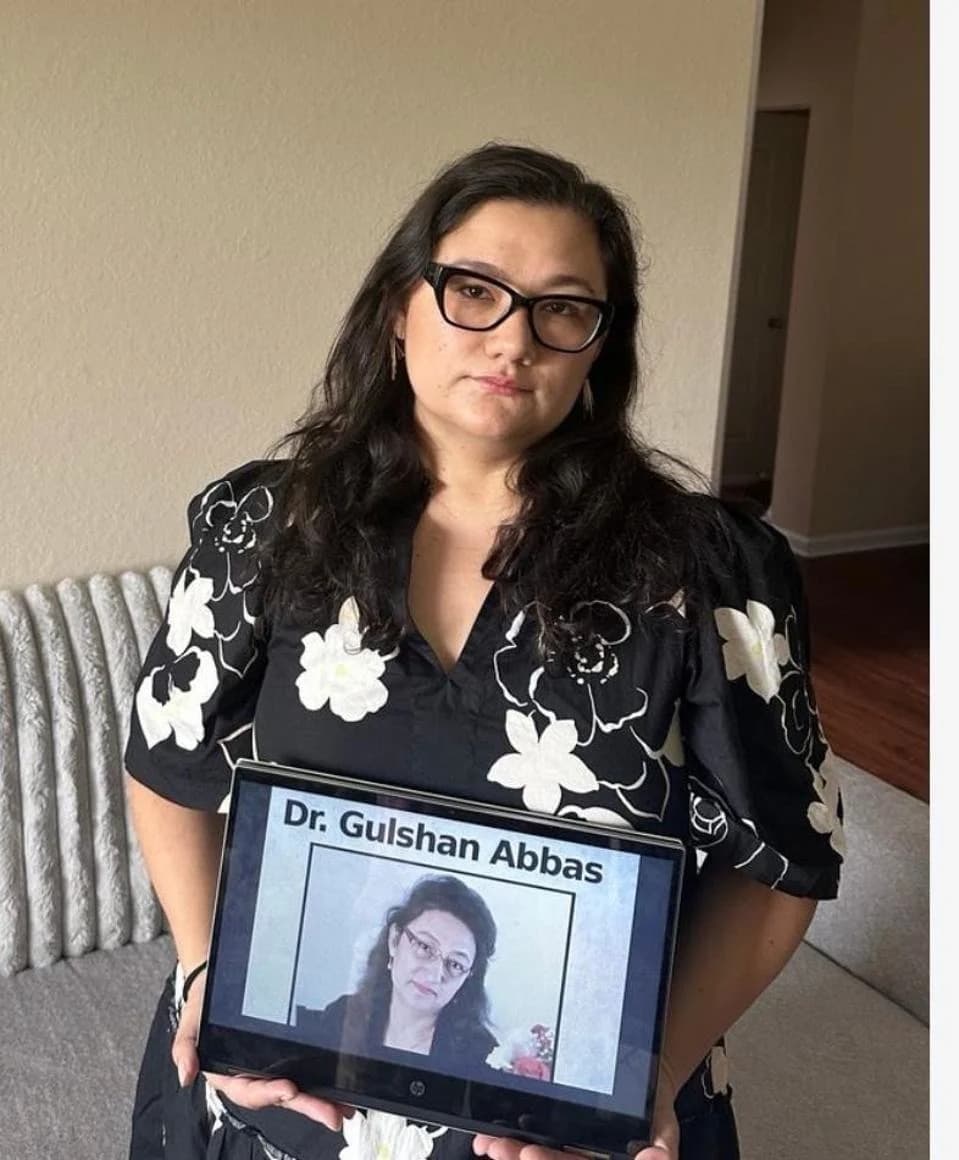
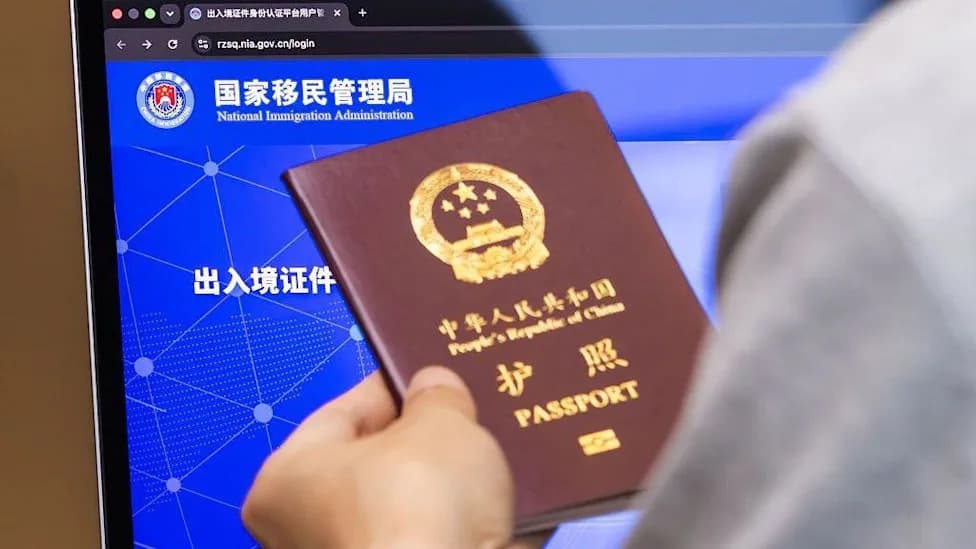
Chinese activist Zhang Xinyan, 55, has arrived in Canada after months in a Bangkok immigration detention centre where she feared deportation. Zhang fled China in 2014 and held UN refugee status; she was detained in May for overstaying her visa. Rights groups warn Thailand may be cooperating with transnational repression by China, and other dissidents — including journalist Bai Zhaodong — remain at risk. Human Rights Watch and media freedom groups have called on Thai authorities to protect asylum-seekers and respect non-refoulement.
Chinese Activist Zhang Xinyan Flees Bangkok Detention, Arrives in Canada Amid Fears of Transnational Repression
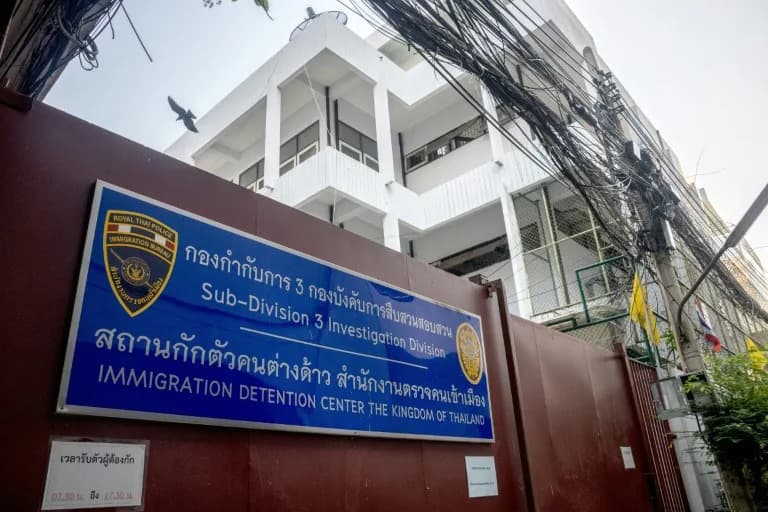
Chinese activist Zhang Xinyan arrived in Canada after months living in fear of deportation at a Bangkok detention centre (Jack TAYLOR)
Chinese activist Zhang Xinyan, 55, has arrived in Canada after spending months in an immigration detention centre in Bangkok where she feared deportation to Hong Kong or mainland China. Her case has renewed concerns among rights groups that Thai authorities may be complicit in Beijing's efforts to pursue dissidents overseas.
Zhang — a former teacher from Shenzhen who says she fled China in 2014 after a school principal threatened to report her for promoting Falun Gong — was granted refugee status by the United Nations while living in exile. She later spoke out on democracy issues in Hong Kong and was named in an unofficial, online selection for a shadow Hong Kong parliament organised by a Canada-based activist group. Hong Kong police later accused participants of subversion under the territory's national security law and placed a bounty of more than $25,000 on Zhang.
"Every day, what scared me the most was that I could be deported at any time," Zhang told AFP about her time in detention.
Thai authorities arrested Zhang in May for overstaying her visa and held her at Bangkok's Suan Phlu immigration detention centre, where she says she was denied phone access and largely cut off from the outside world. After legal and diplomatic interventions she was placed on a flight to Vancouver; AFP was unable to independently verify reports that Beijing tried to block her departure to a third country.
Broader Concerns
Thailand is not a signatory to the UN Refugee Convention, but it is bound by the international principle of non-refoulement, which prohibits returning people to countries where their lives or freedoms would be threatened. Human Rights Watch and other groups say Thailand has in some cases cooperated with China in transnational repression, citing past returns of activists and the deportation of 40 Uyghurs to China in 2023 despite activist objections.
Human Rights Watch highlighted Zhang among four Chinese detainees in Thailand at risk of deportation. One of them, investigative journalist Bai Zhaodong, who fled China in 2024 after reporting on politically sensitive topics, remains detained at Suan Phlu. China has said Bai is suspected of extortion and bribery and submitted an extradition request; Reporters Without Borders warned he would face grave danger if returned. RSF also said an unnamed country had offered Bai asylum, but Thai authorities cancelled his flights twice and extended his detention.
Lawyer Nadthasiri Bergman, who represents both Zhang and Bai, urged Thai authorities to prioritise human rights and allow vulnerable individuals to leave the country. Canada’s immigration and refugees department declined to comment on Zhang’s individual case for privacy and safety reasons but reiterated Canada's long history of resettling refugees. Thailand's foreign ministry did not respond to requests for comment.
tak-hol/slb/ami/lga — Reporting by AFP; rights-group statements and public records summarized.
Help us improve.