Dr. Gulshan Abbas, a 64-year-old Uyghur physician, has been imprisoned in China for eight years after her American sister spoke about alleged abuses against Uyghurs. Her supporters call the charges fabricated and identify her detention as transnational repression aimed at silencing relatives of U.S. citizens. With serious health issues and nearly half her sentence served, advocates urge President Trump to press Xi Jinping for her immediate humanitarian release and return to her 24 American family members.
President Trump — Free Gulshan Abbas: Urge Xi Jinping To Release An Ailing Uyghur Doctor
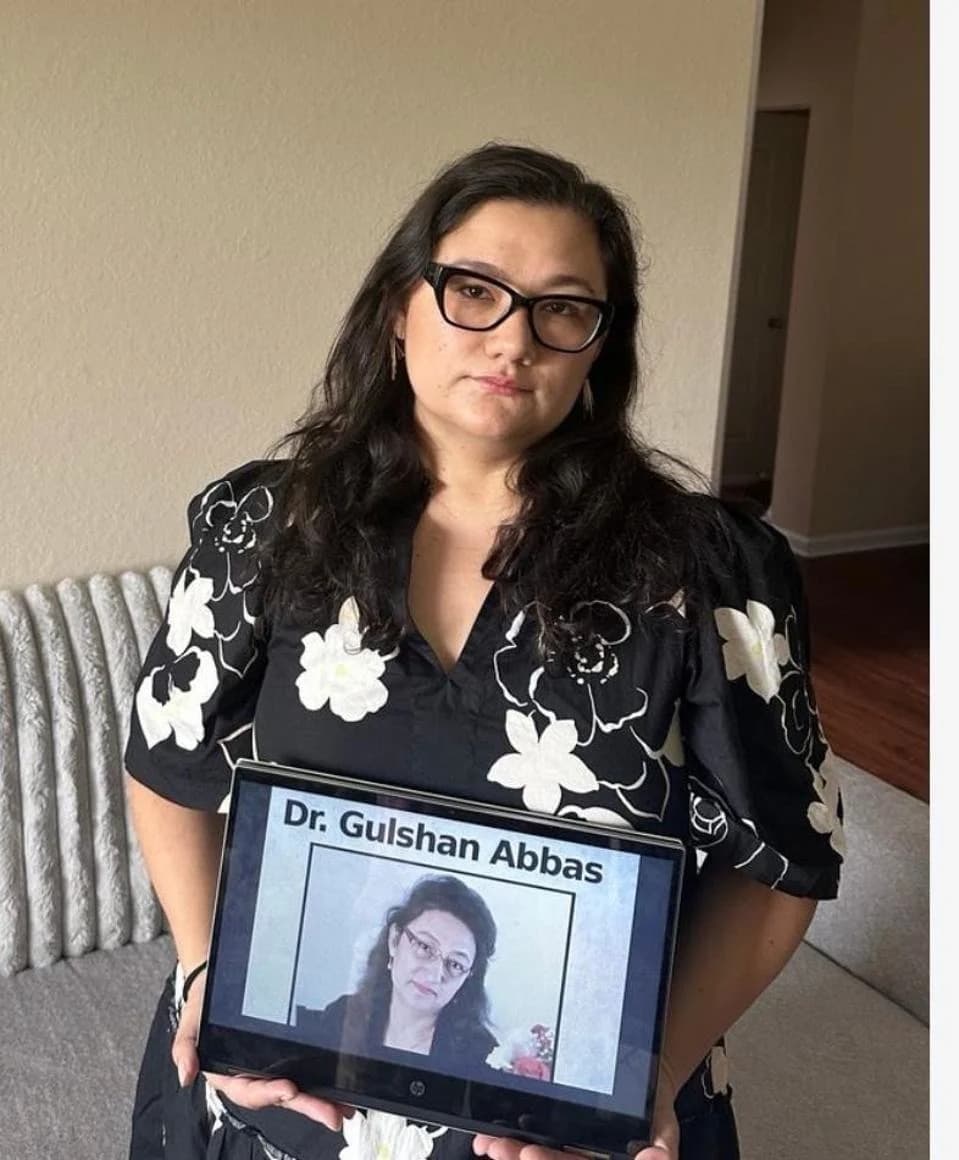
Ziba Murat, daughter of Gulshan Abbas, holds portrait of her mother as she continues her advocacy for her mother's freedom.Ziba Murat
This week Dr. Gulshan Abbas remains imprisoned in China, where she has spent the last eight years serving a 20-year sentence on charges widely regarded as fabricated. Her detention followed a 2018 public speech by her American citizen sister at the Hudson Institute; within six days Chinese authorities detained Dr. Abbas. Supporters say she was targeted in a clear act of retaliation against the family of a U.S. citizen.
Who Is Gulshan Abbas?
Dr. Abbas is a 64-year-old Uyghur Muslim physician, a mother, sister and grandmother. She has 24 American citizen relatives who want her returned to the United States. Her convicted offenses include "participating in a terrorist organization," "aiding terrorist activities," and "gathering a crowd to disrupt social order," charges that independent observers and advocates say were fabricated.
Transnational Repression And Its Stakes
Transnational repression — when a government punishes or intimidates relatives of foreign nationals to silence dissent abroad — is the term human rights groups use to describe Dr. Abbas' case. Her detention raises broader questions about free speech and religious freedom and sets a worrying precedent that could chill criticism by diaspora communities and U.S. citizens.
Humanitarian Concerns
Dr. Abbas faces serious health issues: high blood pressure, severe osteoporosis that often leaves her immobilized, and an eye condition that requires ongoing care to prevent blindness. At 64, her medical vulnerability and the fact that she has already served nearly half of her sentence make her a strong candidate for compassionate release on humanitarian grounds.
Diplomatic Context And Recent Precedent
Earlier this year Chinese authorities released Pastor Ezra Jin Mingri, reuniting him with his American-citizen daughter and two sons. That release—after more than two decades without such transfers—demonstrates that humanitarian releases of high-priority political detainees remain possible and can serve as goodwill gestures during high-level diplomacy.
U.S. officials have signaled interest in raising political prisoners during talks with Beijing. Speaker Mike Johnson expressed confidence the President will press these cases. This week Representatives John Moolenaar (R-MI) and Tom Suozzi (D-NY) introduced a bipartisan resolution marking the eighth anniversary of Dr. Abbas' detention and calling for her immediate release.
What Should Happen Next
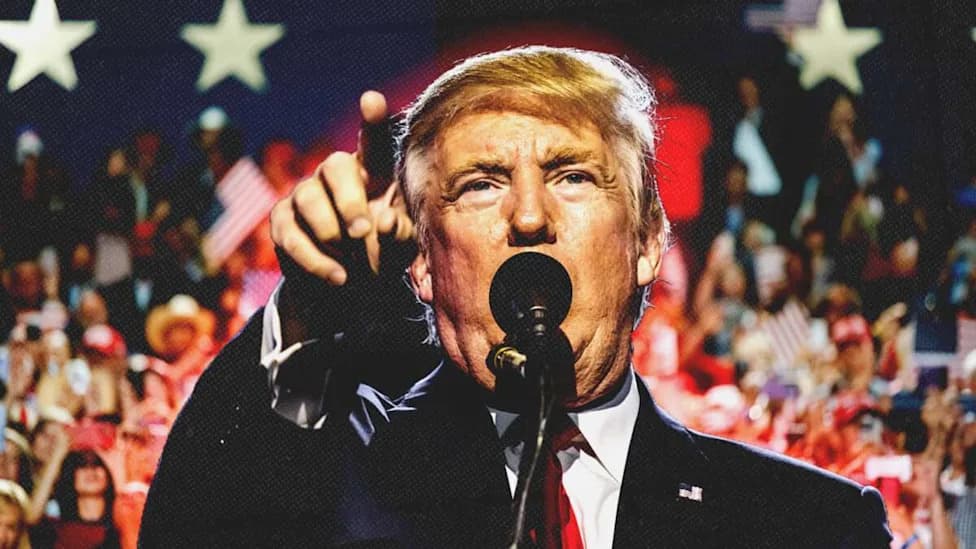
When President Trump meets Xi Jinping, he should raise Gulshan Abbas by name, request her immediate and unconditional release on humanitarian grounds, and press for her safe return to her family in the United States. Her release would send a clear message that the United States defends free speech and religious freedom for families of U.S. citizens and could be leveraged to build trust during delicate trade and technology negotiations.
President Trump: Bringing Gulshan Abbas home would restore joy to an American family and demonstrate U.S. resolve on human rights and transnational repression. Please raise her case directly with Xi Jinping.
Originally published on Forbes.com.
Help us improve.