Ukraine’s drone and robotics sector — led by engineers, startups and frontline feedback — has rapidly expanded since the Russian invasion. Despite the recent sacking of pro-technology defence minister Mykhailo Fedorov, industry and military sources say the push to deploy aerial and ground robots will continue. Ground drones already evacuate wounded and move supplies, while AI-guided combat prototypes are being tested in brigades pending approval. The main hurdle is a shortage of professionally trained personnel to scale and sustain the effort.
Ukraine's Drone Revolution Surges Despite Defence Ministry Shake-Up
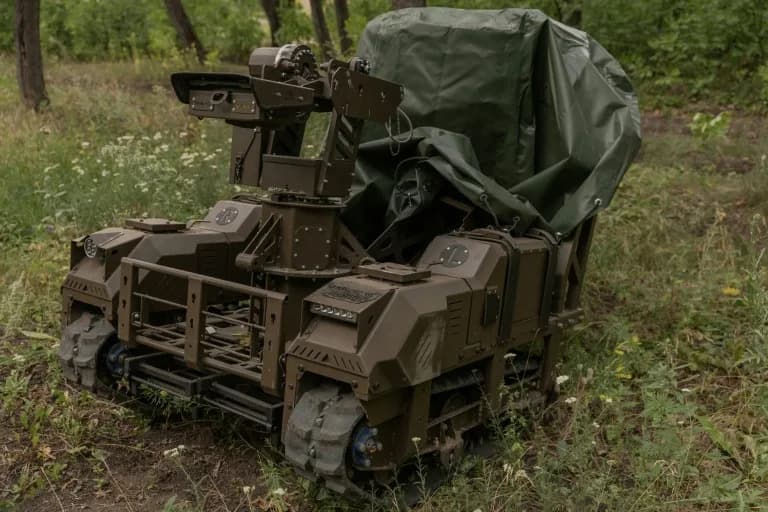
Autonomous weapons have come to dominate the war with Russia (Roman PILIPEY)
Zigzagging among wiring, gadgets and prototype frames in his garage workshop, Ukrainian engineer Eduard Trotsenko brimmed with enthusiasm as he demonstrated recent designs and sketched out science-fiction-inspired concepts.
At the top of his list are so-called “mechanical birds” that can perch on high-voltage power lines to recharge themselves, and “robot dogs” built to operate on the battlefield. “To save human lives, to save soldiers, there must be robots,” Trotsenko told AFP.
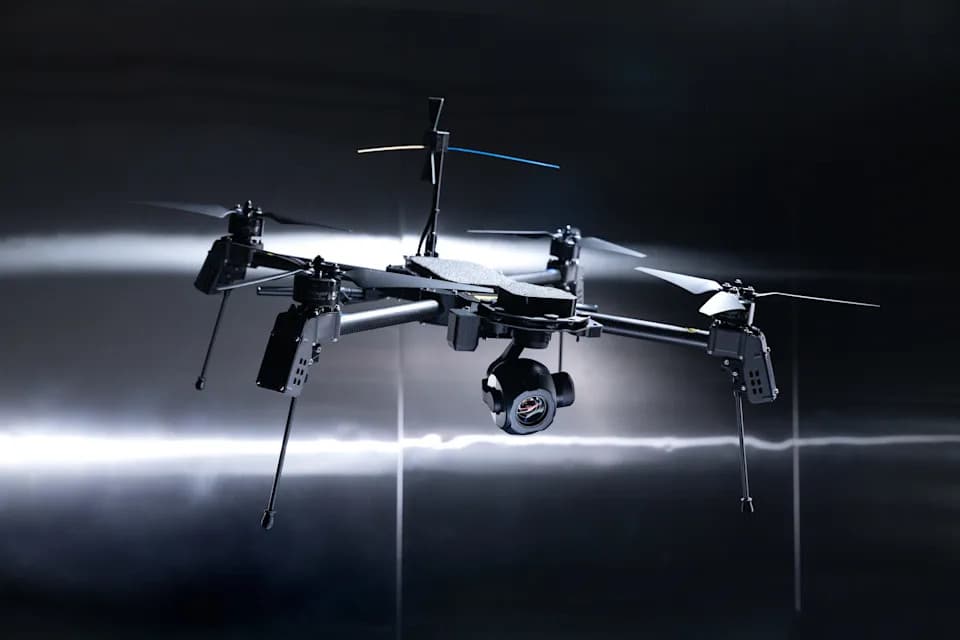
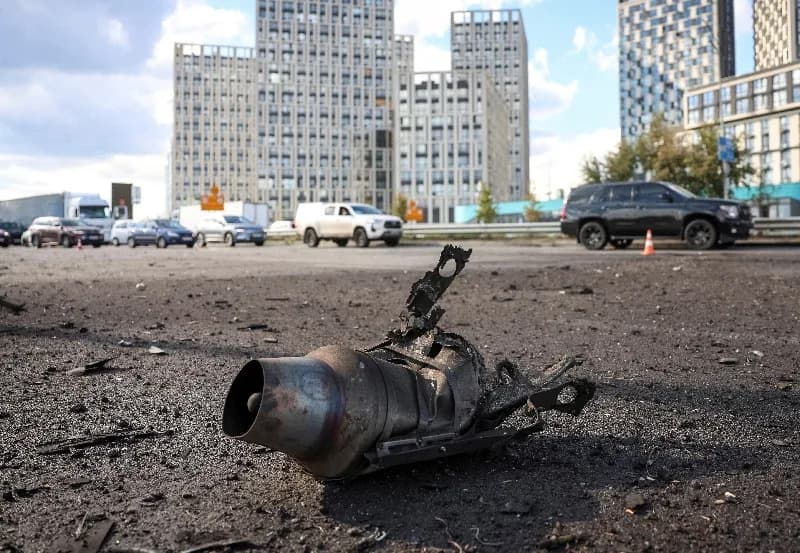
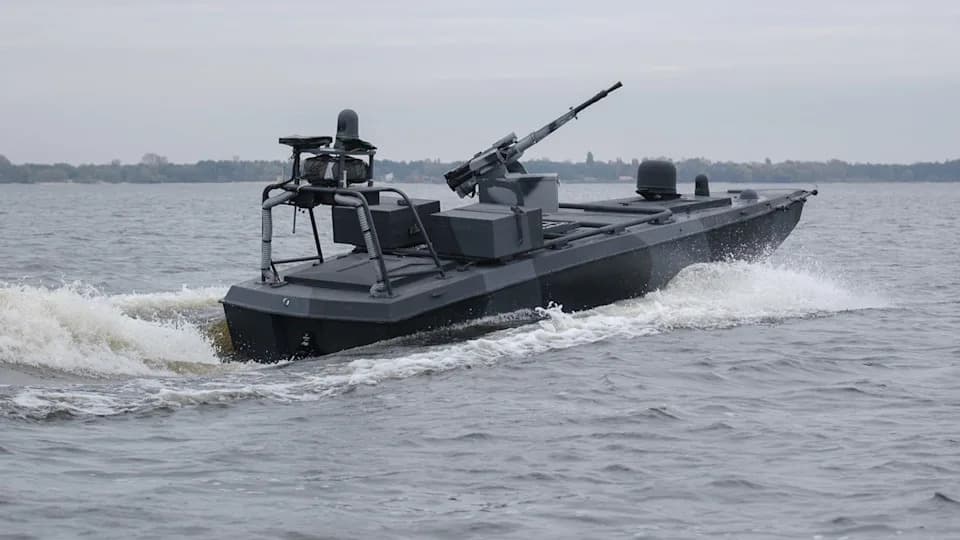
Autonomous weapons and robotic systems have become a defining feature of the war with Russia. Aerial drones conduct frontline reconnaissance and strike missions, while ground robots increasingly support logistics and frontline tasks.
Ukraine has developed a sprawling drone and robotics sector from scratch, praised by President Volodymyr Zelensky as among the world’s most innovative. Yet the recent dismissal of popular defence minister Mykhailo Fedorov — a prominent advocate of drone adoption — prompted questions about the movement’s future.
Trotsenko, founder and CEO of robot-maker Temerland, said:
“I don't understand why they sacked Fedorov... In order to save human lives, to save soldiers, there must be robots.”
Into The Kill Zone
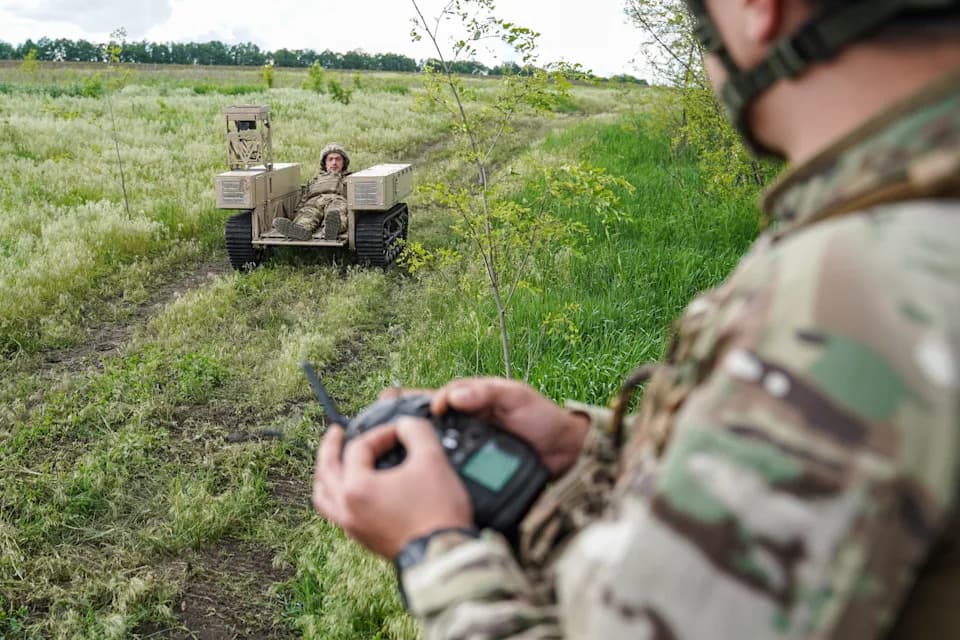
When Russia launched its full-scale invasion, 55-year-old Trotsenko — born in Soviet Kazakhstan — shifted his work from car charging stations to producing military robots. He specialises in ground drones: autonomous vehicles designed to operate inside the so-called “kill zone” — the kilometres-deep area where both Russian and Ukrainian drones patrol and ground personnel face constant danger.
Today, many of these systems evacuate wounded soldiers from active areas or shuttle supplies, reducing the need to expose people to the most dangerous zones. Trotsenko is also developing armed variants: one fitted with an RPG-style rocket launcher and another carrying a heavy machine gun, both guided by onboard artificial intelligence. “They're currently being tested in some brigades,” he said, while awaiting authorisation from the General Staff for wider deployment.
How Policy and Private Innovation Intersect
Fedorov played a central role in accelerating the army’s technological shift. He established the Defence AI Center A1, a hub intended to embed artificial intelligence in military systems and to use live battlefield feedback to speed up fielding of new tools. He also championed integrating private companies into defence procurement, injecting competition and faster iteration into the innovation ecosystem.
“In a private company you can take risks more quickly,” Trotsenko explained, noting that small firms are incentivised to iterate fast to win contracts.
‘Bottom-Up’ Momentum
Hundreds of kilometres away, a 45-year-old commander who uses the call sign “Jason” had just returned from a mission. He leads a unit that operates the kind of ground drones Trotsenko builds. “You can afford to lose a drone, but not a person. The probability of human losses there is reduced,” he said.
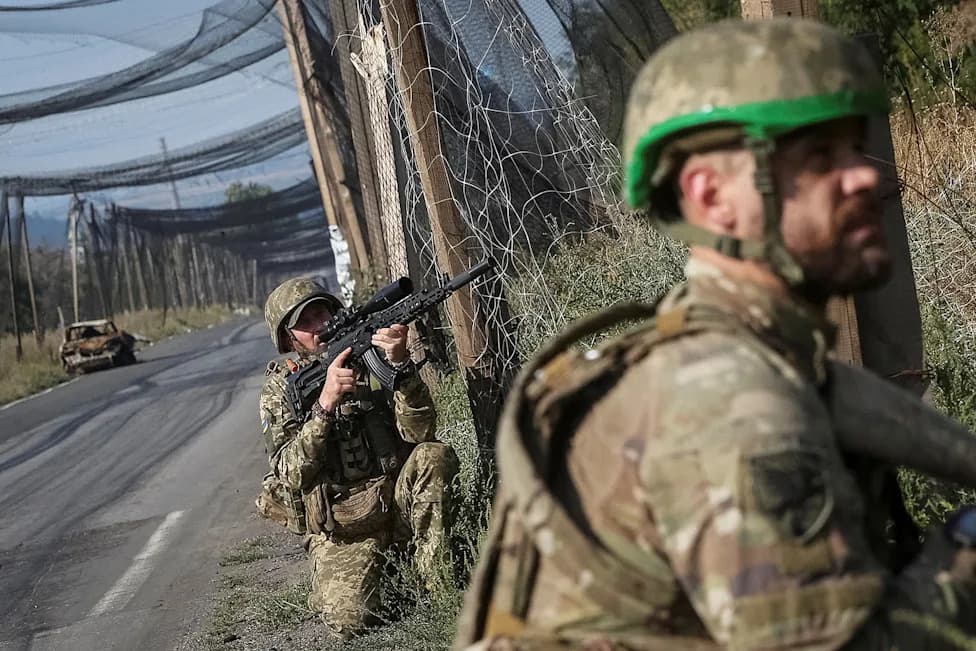
Jason and others interviewed by AFP stressed that the technological drive has largely been bottom-up. After the invasion, there was “an explosion of bottom-up initiative”: young engineers and small startups produced new devices, showed them to frontline units, and the military adopted what worked and then iterated further. Today programmers, telecom specialists and engineers are integrated directly into military units.
Still, challenges remain. Jason identified the main constraint as “the shortage of professionally trained people” to operate, maintain and further develop these systems at scale.
Back in Trotsenko’s workshop, his team is already trying to push the technological and geographic boundaries of conflict. On a whiteboard he sketched a future of wars fought by remotely operated humanoid machines or of wounded soldiers receiving care while robots fill frontline roles. “Things have really taken off,” he said confidently.
Despite political turbulence — including protests that helped force out commander-in-chief Oleksandr Syrsky after clashes over modernisation — industry and military sources say Ukraine’s drone revolution is unlikely to be reversed: a mixture of grassroots innovation, private-sector agility and battlefield necessity keeps the momentum alive.
Byline: AFP reporting; interviews with industry figures and frontline commanders.
Help us improve.