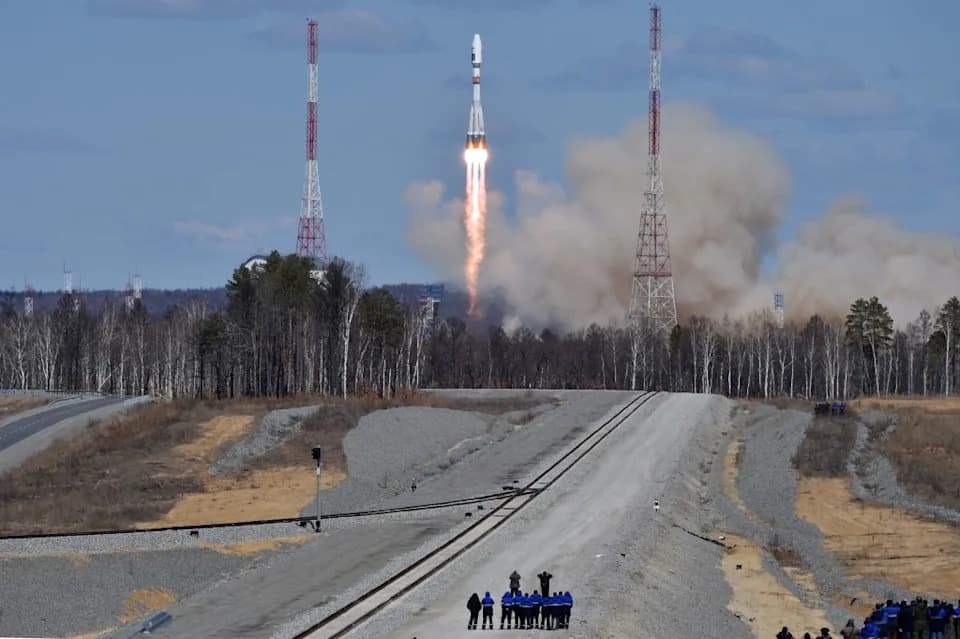
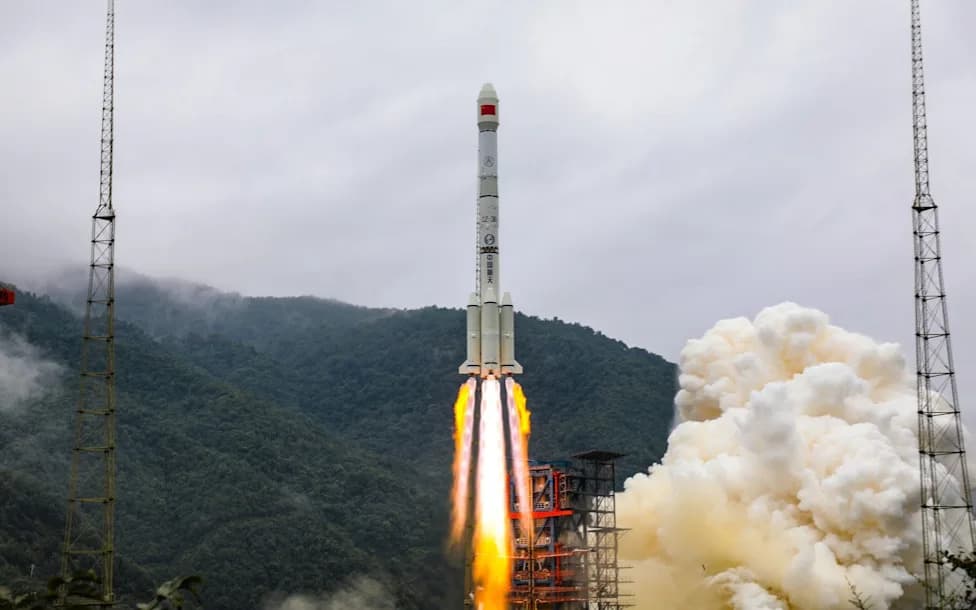
Chilbolton Observatory in southern England is tracking a growing volume of orbital debris and feeding critical data to the UK’s National Space Operations Centre to prevent collisions and monitor re‑entries. The ESA estimates more than 46,000 debris items (≈17,000 tonnes) are in orbit, while roughly 14,000 satellites currently operate. Recent incidents — including a SpaceX rocket section hitting the Moon — and plans for many thousands more satellites increase the risk of cascading collisions, underscoring the need for enhanced tracking, international coordination and stronger debris mitigation.
UK Observatory Warns of Growing Space‑Junk Threat as Orbits Become More Crowded
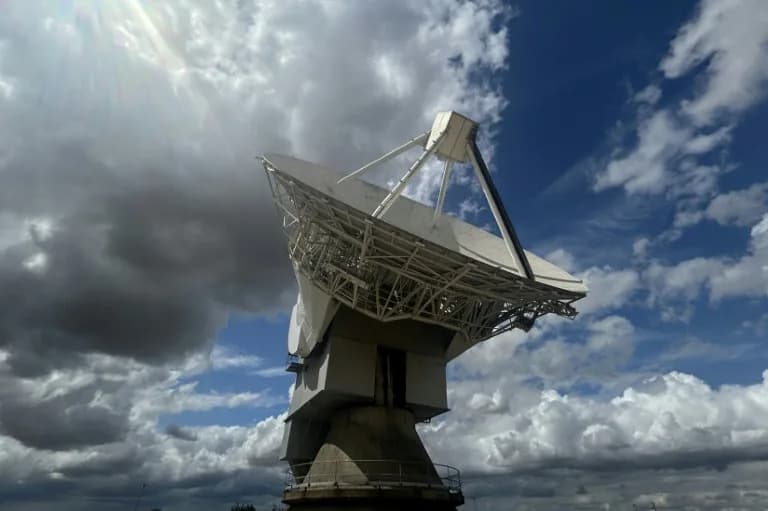
Experts at Chilbolton Observatory monitor UK-licenced satellites and ever-growing fragments of space debris swirling around them (Daniel MATTHEWS)
In the long shadow of a towering satellite dish, technicians at Chilbolton Observatory in southern England are tracking an accelerating number of objects in Earth orbit and supplying data that underpins Britain’s space‑monitoring efforts.
Keeping Tabs On A Congested Sky
When the large antenna swings into operation, control‑room screens light up with labels for objects the radar picks up: stars, active satellites and abandoned rocket stages. Chilbolton, run by the UK’s national space laboratory RAL Space, monitors UK‑licensed spacecraft and the fast‑growing cloud of orbital debris that circles them.
The debris consists of defunct human‑made items — spent rocket bodies, dead satellites and fragments from launches, explosions and collisions — all of which can re‑enter the atmosphere or strike functioning satellites. The European Space Agency estimates more than 46,000 pieces of debris weighing roughly 17,000 tonnes are currently in orbit.
“Most of those don't collide with anything, most of the time,” said Matthew Archer, deputy director for launch and space domain awareness at the UK Space Agency. “But any of them can cause significant damage or even destroy potential satellites.”
From Local Tracking To National Defence
Chilbolton feeds data to the National Space Operations Centre (NSpOC) — led by the UK Space Agency and UK Space Command — which operates 24/7 to avert orbital collisions and monitor debris re‑entries. The NSpOC issues around 3,000 collision warnings each month, and the UK has pledged £85 million to strengthen this capability.
Observers also check that satellite operators meet licensing conditions and keep an eye on potentially hostile or unplanned close approaches. “We see examples of countries that have demonstrated the ability to get close or to fly by certain objects,” Archer said, emphasising the need to track possible threats from a military perspective.
Incidents And The Risk Of Cascading Collisions
Recent incidents have heightened concern: part of a SpaceX rocket the size of a bus collided with the Moon, scattering debris. Scientists warn that as orbital density increases, the risk of a Kessler syndrome — a cascade of collisions creating yet more fragments — becomes more plausible.
Looking Outward: Asteroids And Planetary Defence
Chilbolton also contributes to planetary defence by helping identify near‑Earth objects such as asteroids and comets. The UK Space Agency joined the International Asteroid Warning Network (IAWN) to coordinate assessments with partners like NASA and provide probabilistic impact warnings when necessary.
Very large asteroids are usually tracked by optical sensors because they lie too far for Chilbolton’s radar to detect. “If they're close enough for the (radar) antenna to see them, then we have bigger problems,” joked station manager Graham Marshall.
Why This Matters
Space infrastructure supports an estimated 20% of the UK economy, from communications and navigation to weather forecasting and defence. As the number of satellites — currently about 14,000 — and planned launches rises, international cooperation and constant surveillance are increasingly vital to keep space operations safe and sustainable.
Scientists and operators urge clearer rules, better debris‑mitigation practices and more capable tracking systems to avoid costly collisions and ensure space remains usable for future generations.
Help us improve.