Former Army recruiter Jane Crosby pleaded guilty to opening credit-union accounts in the names of seven people and attempting to obtain about $266,000 in loans and credit between September and December 2023. She has agreed to repay roughly $18,150 in restitution after some fraudulent deposits cleared and thousands were withdrawn. Crosby faces federal penalties including up to 30 years for bank fraud plus a mandatory consecutive two-year term for aggravated identity theft. Officials urge people to track documents they submit, monitor account activity and use free credit freezes.
Former Army Recruiter Pleads Guilty After Using Seven Identities to Seek $266K in Credit
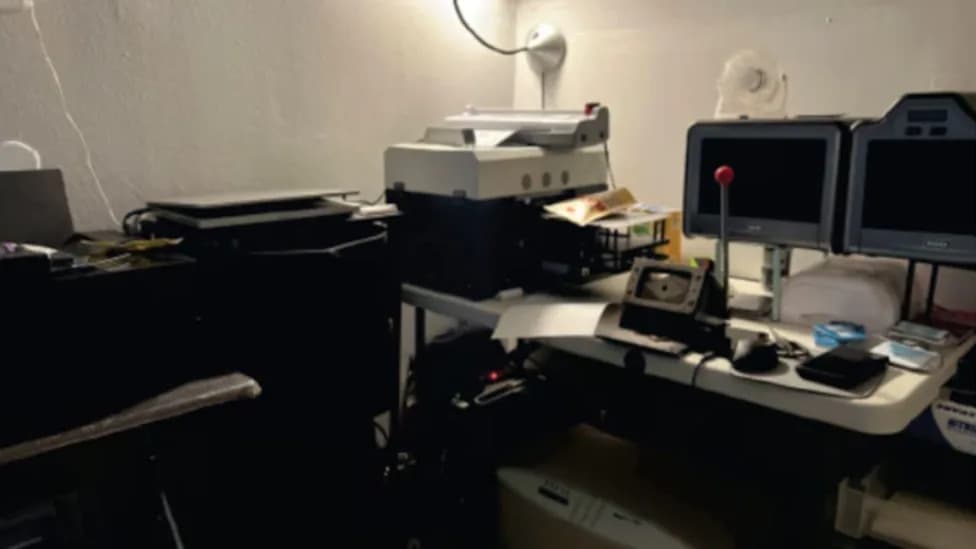
Image Credit: U.S. Attorney's Office, Western New York.
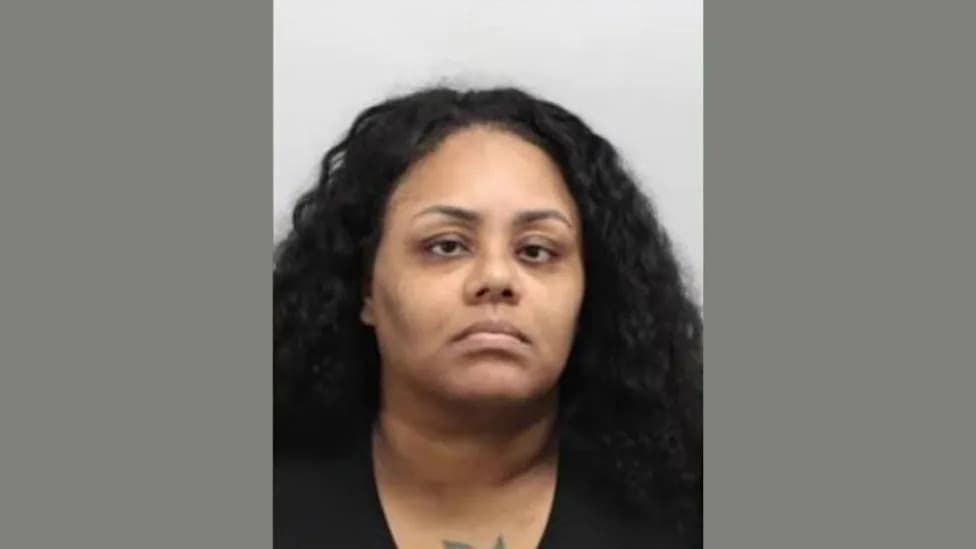
Jane Crosby, a former Army recruiter, has pleaded guilty to using the identities of seven people to open credit-union accounts and attempt to obtain roughly $266,000 in loans and credit.
Crosby, 35, of Jersey City, admitted in federal court in Newark that between September and December 2023 she submitted applications for seven “Pre-Active Duty Membership” accounts at a credit union while serving as a sergeant first class and recruiter at the Army recruiting station in East Orange, New Jersey. Those accounts are intended to help incoming service members receive direct deposits of military pay once they enter active duty.
How the Scheme Worked
According to the U.S. Attorney’s Office for the District of New Jersey, Crosby used personal information she obtained through her position—names, Social Security numbers and copies of identity documents such as passports, driver’s licenses and Social Security cards—to open the accounts without the victims’ knowledge or consent.
After opening the accounts, she applied for loans and credit cards in the victims’ names, attempting to access roughly $266,000 in financing. Investigators traced calls about several accounts to Crosby’s personal phone number, the East Orange recruiting office and another number linked to the recruiting station’s internet registration. At times a caller used a disguised voice to impersonate the account holder while seeking account details or to lift restrictions.
Fraudulent Deposits and Withdrawals
Crosby attempted to deposit checks that appeared to be issued by the U.S. Treasury. Many checks were flagged and rejected, and most loan and card applications were denied or blocked. However, some deposits cleared and allowed thousands of dollars to be withdrawn via ATMs, money orders and other transactions. Court records cite one account with about $8,575 in deposited checks and roughly $4,324 withdrawn, and another with a $19,705 deposit followed by withdrawals of more than $17,400.
The plea agreement calculates the credit union’s loss at approximately $18,150—far less than the $266,000 in credit Crosby tried to obtain. Crosby must repay roughly $18,150 in restitution under her plea deal.
Credit Card Misuse
In November 2023, a credit card with a limit of about $14,900 was approved in the name of a prospective recruit; the account address was shortly changed to the recruiting station. Crosby used that card to buy two airline tickets from Las Vegas to New York City—one in her name and another in the name of a relative. The victim whose identity was used had no knowledge of the account or purchases.
Charges, Penalties and Next Steps
Crosby pleaded guilty before U.S. District Judge Susan D. Wigenton to one count of bank fraud (covering the seven victims) and one count of aggravated identity theft (tied to the individual who entered the Army). Under federal law, bank fraud carries a statutory maximum sentence of 30 years and fines up to $1 million or twice the gross gain or loss. Aggravated identity theft adds a mandatory two-year prison term that must run consecutively to any sentence for the bank fraud conviction. Sentencing will follow consideration of federal guidelines and the plea agreement; no sentencing date has been published.
Consumer Warning and Recovery Steps
Officials advise anyone who provides copies of identity documents—such as passports, driver’s licenses, Social Security cards or financial records—to keep a written record of what was submitted and to whom. Signs of potential identity theft include unexpected bank notices, unfamiliar credit inquiries, unrecognized debit-card activity or account-verification messages.
If you discover an unfamiliar account, contact the financial institution’s fraud department immediately and ask that the account be restricted or closed. The Federal Trade Commission recommends placing free credit freezes with Equifax, Experian and TransUnion to make it harder for identity thieves to open new accounts. Identity theft can be reported and a recovery plan obtained at IdentityTheft.gov.
Source: U.S. Attorney’s Office for the District of New Jersey; Newark federal court records.
Help us improve.