Progressive insurgents—many tied to the D.S.A.—are winning Democratic primaries and drawing guarded backing from party leaders despite doubts about general‑election appeal. Abdul El‑Sayed’s narrow Michigan primary win highlights a trend: progressive populism plays best in highly educated, urban counties and struggles in lower‑education, working‑class areas. Meanwhile, a viral debate over $20 burritos exposed splits on the right about tariffs, inflation and foreign policy. Local stories—Boston restaurants under pressure, a Cambridge academic scandal, a GAO critique of DOGE, and the Fauci iPhone—round out a shifting political and cultural landscape.
The 'Socialist Moment': Progressive Insurgents, Electoral Trade‑Offs, and a Culture War Over Burritos
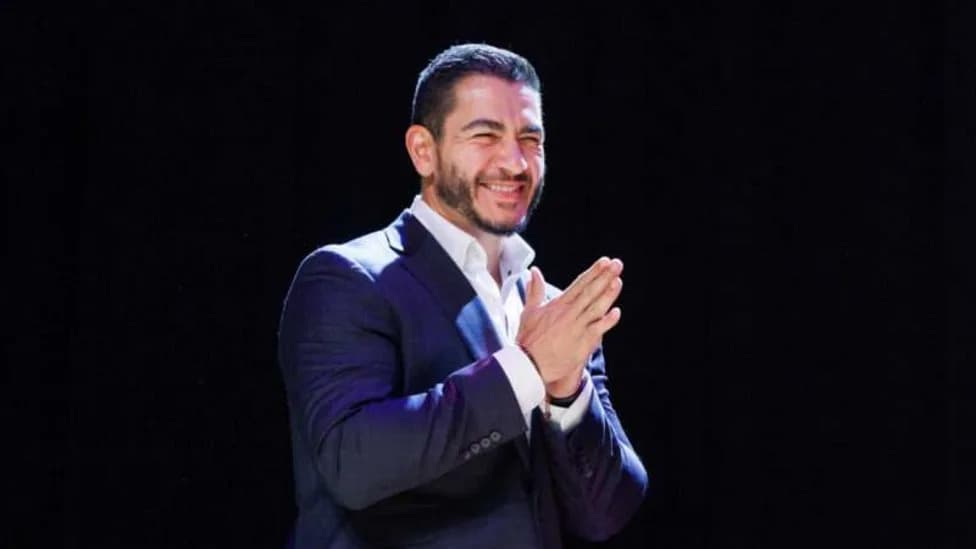
Andrew Roth/ZUMAPRESS/Newscom (edited)
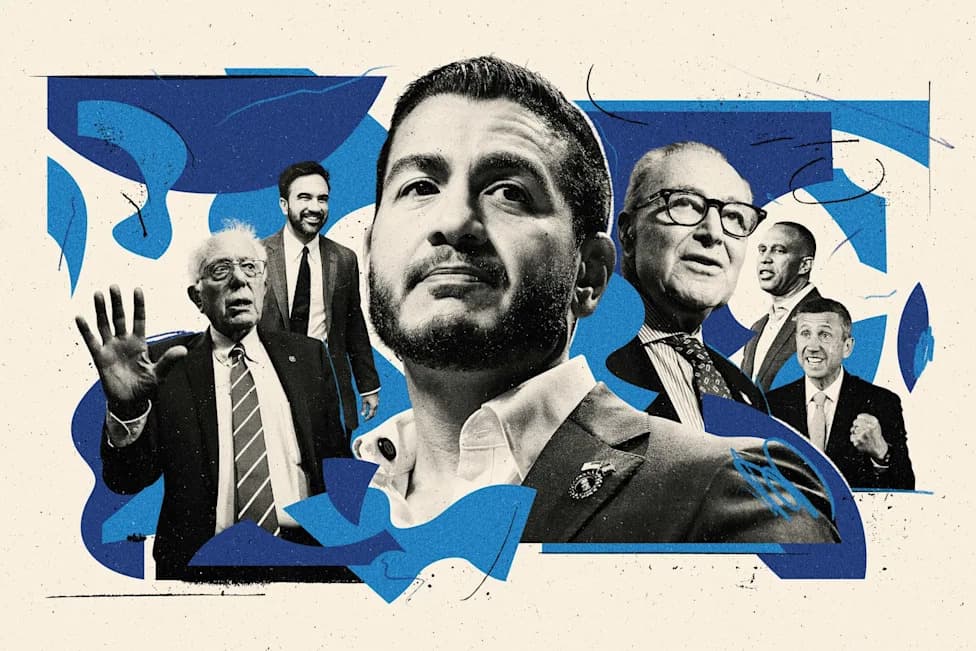
The Democratic Party is encountering a new phase: a wave of young, left‑leaning insurgents—many with ties to the Democratic Socialists of America—are winning primaries and drawing cautious support from party leaders, even as questions linger about general‑election viability.
Progressive Surge and Electability Questions
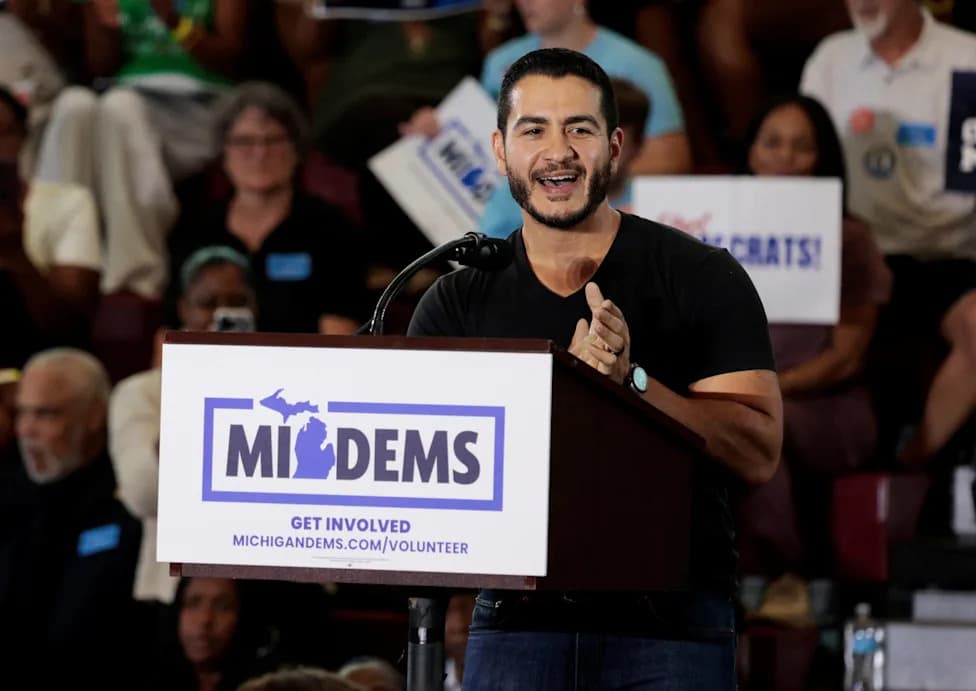
As Shane Goldmacher reported in The New York Times, some moderate groups such as Third Way are trying to block what they call a takeover by "radical, far‑left candidates." Yet after progressive Abdul El‑Sayed won a major Senate primary in Michigan, high‑profile Democrats—from Gov. Gretchen Whitmer to Sen. Chuck Schumer and former Vice President Kamala Harris—moved quickly to embrace his candidacy because of the strategic stakes for that seat.
Still, doubts remain about whether El‑Sayed and similar insurgents can win in the general election. Other Times coverage frames the midterms as a test of a long‑running intraparty debate: since Senator Bernie Sanders rose to prominence in 2016, progressives contend that a populist economic agenda can assemble a broad working‑class coalition, while centrists argue such proposals risk alienating moderate voters the party needs to reclaim battleground areas.
El‑Sayed’s primary trajectory illustrates the tension. His campaign at times looked dominant, but he ultimately prevailed by a narrow margin. Reporting from Puck indicates Democratic operatives urged the DSCC to fund attack ads highlighting his controversial associations—such as ties to commentator Hasan Piker—because party lawmakers feared those connections could erode his appeal beyond highly educated enclaves.
Where Progressive Populism Resonates
The Wall Street Journal noted that El‑Sayed performed best in counties with higher rates of bachelor’s degrees—areas home to the University of Michigan and Michigan State—while lagging in counties with lower educational attainment. That pattern underscores a core puzzle: the left’s emerging working‑class populism often finds its strongest support among the highly educated, urban voters rather than in many traditional working‑class communities.
Conservative Infighting: The Burrito Debate
On the right, an unlikely flashpoint—the argument over whether burritos can cost $20—became shorthand for larger disputes about inflation, trade policy, and conservative priorities. Columnist Matt Yglesias provided a clear summary of the social‑media skirmish, which blends practical debate about food prices with a deeper split between domestic populists (who sometimes favor tariffs) and conservative hawks (who prioritize market‑friendly domestic policy alongside a more assertive foreign policy).
The core conservative question is whether priorities should center on reversing unpopular trade policies such as tariffs or on sustaining a robust foreign‑policy posture. Under the Trump era, both expansive tariffs and hawkish foreign policy complicated that choice.
Local And Cultural Notes
Economic pressures are also visible in local economies: The Boston Globe reports the region’s restaurants face mounting challenges from higher costs, taxes, and regulations. A recent visit to The Baldwin Bar in Woburn—a well‑regarded Chinese bar/tiki hybrid—found excellent food and drinks but diminished crowds, reflecting the strain on independent eateries.
In academia, University of Cambridge professor Jason Arday—once celebrated as one of Cambridge’s youngest Black professors—resigned after mounting allegations of plagiarism and fabrication in his scholarship and biographical claims. Arday has denied misconduct, though multiple serious issues emerged; his publisher has so far limited public comment as the situation develops.
Other developments include a Senate panel obtaining a copy of the iPhone Dr. Anthony Fauci used during the COVID‑19 pandemic, and a Government Accountability Office review finding that the Department of Government Efficiency (DOGE), an efficiency initiative affiliated with Elon Musk, overstated some spending cuts and contained factual errors.
On a lighter note, director James Cameron—known for Aliens, the early Terminator films, True Lies, and Titanic—may be moving away from the Avatar franchise to pursue other projects.
These stories together illustrate a political and cultural landscape in flux: internal Democratic debates over strategy and electability, conservative disputes that reveal competing priorities, and a range of local and national stories—from restaurant distress to academic scandal—that shape public conversation.
Originally published as "Socialist Moment" on Reason.com.
Help us improve.