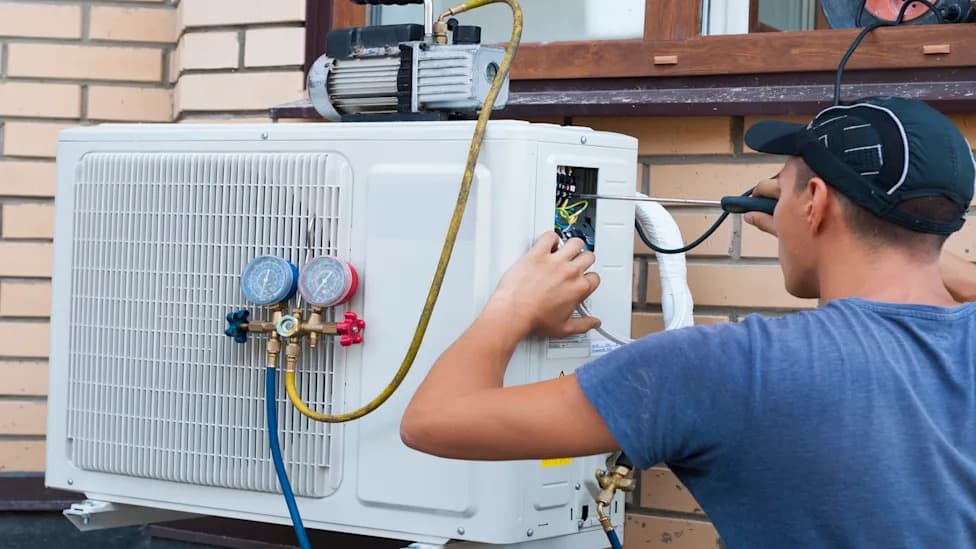
Despite widespread adoption of residential cooling, more than 8.8 million U.S. homes still lack air conditioning. Climate Crisis 247 ranked hot metropolitan areas by the share of occupied housing without any form of AC, including only metros with historical summer averages at or above 70°F. The top 10 metros range from 10.9% of homes without AC (Wheeling, WV) to 50.0% (Kahului, HI); economic factors such as electricity costs, incomes and poverty rates help explain these differences.
Hottest U.S. Metro Areas Where Many Households Still Lack Air Conditioning
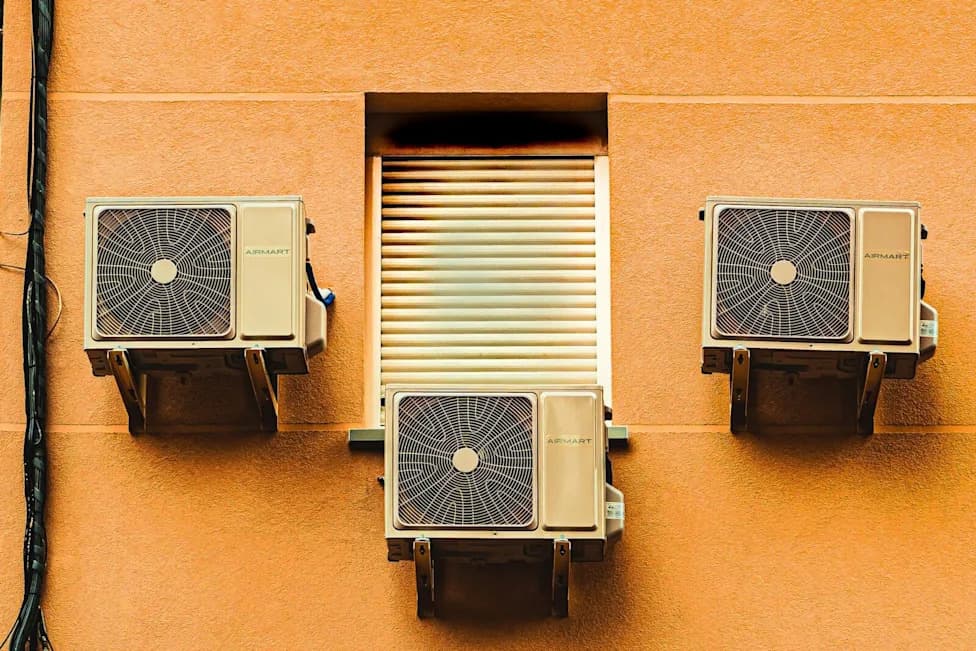
Photo by Jose Antonio Gallego Vázquez on Unsplash
Air conditioning transformed modern life in the United States. Invented in 1902, electric residential cooling became widespread by the mid-20th century and helped spur population growth in hot regions such as Florida and Phoenix. Today, the U.S. Census reports that about 93% of homes nationwide have some form of air conditioning — yet more than 8.8 million homes still do not, including many in metropolitan areas that regularly experience hot summers.
How This List Was Compiled
This analysis by Climate Crisis 247 uses the U.S. Census Bureau's Local Air Conditioning Estimates to rank metro areas (aggregated from county-level data) by the share of occupied housing units without any form of air conditioning. We included only metropolitan areas whose historical average summer daily temperature is at least 70°F. Supplemental data — local electricity prices and recent summer temperatures — come from the Electricity Price Hub and the National Oceanic and Atmospheric Administration (NOAA), using figures for the most populous county in each metro. State and metro poverty rates and median household incomes are one-year estimates from the Census' 2024 American Community Survey.
Across the 10 metros featured below, the share of households without air conditioning ranges from 10.9% to 50.0%. Economic factors such as higher local electricity prices, lower household incomes and elevated poverty rates likely contribute to lower AC ownership and use in some areas.
Top 10 Hottest Metro Areas With the Largest Shares of Homes Without Air Conditioning
10. Wheeling, West Virginia
Households With No Air Conditioning: 10.9% (6,210 homes)
Historical Summer Norms: 70.5°F daily average (82.4°F daily high; 58.6°F daily low)
Summer 2025: 72.3°F daily average (83.1°F daily high; 61.5°F daily low)
Average Local Electricity Price: $0.16 per kWh (1.9% more than statewide average)
Median Household Income: $55,531 (about $5,267 less than the statewide median)
Poverty Rate: 19.4% (2.7 percentage points higher than the statewide rate)
9. Cumberland, Maryland
Households With No Air Conditioning: 11.4% (4,363 homes)
Historical Summer Norms: 70.8°F daily average (83.4°F daily high; 58.1°F daily low)
Summer 2025: 72.8°F daily average (84.7°F daily high; 60.9°F daily low)
Average Local Electricity Price: $0.13 per kWh (28.2% less than statewide average)
Median Household Income: $66,580 (about $36,325 less than the statewide median)
Poverty Rate: 15.0% (5.9 percentage points higher than the statewide rate)
8. Morgantown, West Virginia
Households With No Air Conditioning: 11.7% (6,694 homes)
Historical Summer Norms: 70.2°F daily average (81.6°F daily high; 58.9°F daily low)
Summer 2025: 72.3°F daily average (83.2°F daily high; 61.4°F daily low)
Average Local Electricity Price: $0.14 per kWh (11.5% less than statewide average)
Median Household Income: $67,242 (about $6,444 more than the statewide median)
Poverty Rate: 18.0% (1.3 percentage points higher than the statewide rate)
7. Vallejo, California
Households With No Air Conditioning: 16.1% (25,083 homes)
Historical Summer Norms: 71.2°F daily average (86.9°F daily high; 55.5°F daily low)
Summer 2025: 72.8°F daily average (88.5°F daily high; 57.1°F daily low)
Average Local Electricity Price: $0.40 per kWh (35.4% more than statewide average)
Median Household Income: $94,930 (about $5,219 less than the statewide median)
Poverty Rate: 10.2% (1.6 percentage points lower than the statewide rate)
6. Los Angeles, California
Households With No Air Conditioning: 21.2% (945,736 homes)
Historical Summer Norms: 72.0°F daily average (85.2°F daily high; 58.8°F daily low)
Summer 2025: 74.6°F daily average (87.1°F daily high; 62.0°F daily low)
Average Local Electricity Price: $0.34 per kWh (16.0% more than statewide average)
Median Household Income: $96,405 (about $3,744 less than the statewide median)
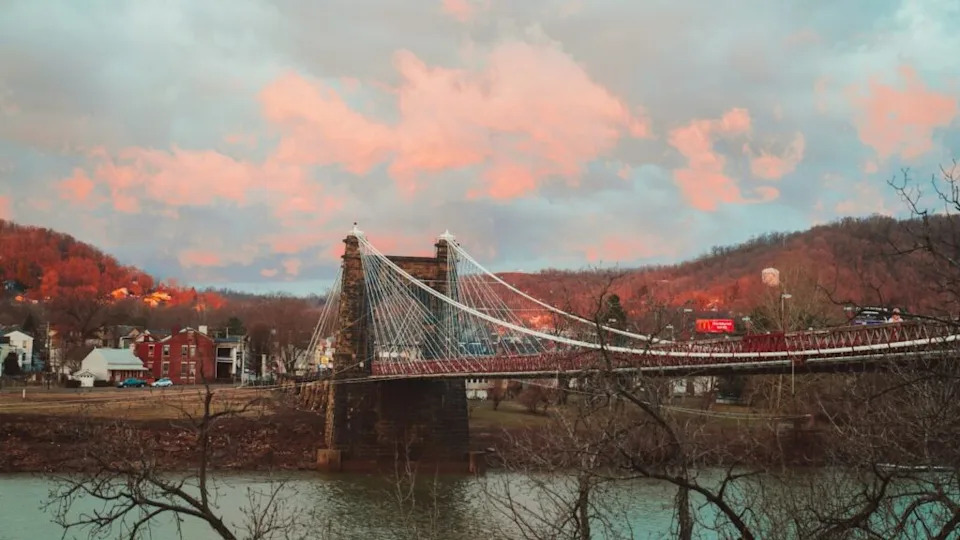
Photo byChristian WestonUnsplash
Poverty Rate: 12.4% (0.6 percentage points higher than the statewide rate)
5. Flagstaff, Arizona
Households With No Air Conditioning: 22.8% (12,232 homes)
Historical Summer Norms: 70.6°F daily average (86.1°F daily high; 55.1°F daily low)
Summer 2025: 74.0°F daily average (90.2°F daily high; 57.7°F daily low)
Average Local Electricity Price: $0.17 per kWh (3.7% more than statewide average)
Median Household Income: $75,164 (about $6,322 less than the statewide median)
Poverty Rate: 15.0% (3.3 percentage points higher than the statewide rate)
4. Farmington, New Mexico
Households With No Air Conditioning: 23.0% (9,443 homes)
Historical Summer Norms: 70.8°F daily average (86.6°F daily high; 54.9°F daily low)
Summer 2025: 75.2°F daily average (91.2°F daily high; 59.2°F daily low)
Average Local Electricity Price: $0.17 per kWh (12.8% more than statewide average)
Median Household Income: $66,426 (about $1,390 less than the statewide median)
Poverty Rate: 19.0% (2.6 percentage points higher than the statewide rate)
3. San Diego, California
Households With No Air Conditioning: 25.8% (299,246 homes)
Historical Summer Norms: 72.8°F daily average (87.0°F daily high; 58.6°F daily low)
Summer 2025: 74.7°F daily average (89.1°F daily high; 60.3°F daily low)
Average Local Electricity Price: $0.37 per kWh (26.5% more than statewide average)
Median Household Income: $109,132 (about $8,983 more than the statewide median)
Poverty Rate: 10.0% (1.8 percentage points lower than the statewide rate)
2. Honolulu, Hawaii
Households With No Air Conditioning: 36.9% (124,374 homes)
Historical Summer Norms: 76.2°F daily average (82.7°F daily high; 69.6°F daily low)
Summer 2025: 76.6°F daily average (81.9°F daily high; 71.2°F daily low)
Average Local Electricity Price: $0.50 per kWh (3.8% less than statewide average)
Median Household Income: $105,205 (about $4,460 more than the statewide median)
Poverty Rate: 8.8% (1.2 percentage points lower than the statewide rate)
1. Kahului, Hawaii
Households With No Air Conditioning: 50.0% (27,761 homes)
Historical Summer Norms: 72.8°F daily average (79.5°F daily high; 66.2°F daily low)
Summer 2025: 73.4°F daily average (80.0°F daily high; 66.7°F daily low)
Average Local Electricity Price: $0.65 per kWh (24.0% more than statewide average)
Median Household Income: $101,168 (about $423 more than the statewide median)
Poverty Rate: 9.7% (0.3 percentage points lower than the statewide rate)
What This Means
The data show that even in warm metros — including major urban areas such as Los Angeles and San Diego, as well as island metros in Hawaii — a substantial share of homes lack air conditioning. High electricity prices, lower incomes and above-average poverty rates likely make cooling unaffordable or less accessible for many households. With hotter summers and more frequent heat extremes, these gaps have public-health implications and point to a need for targeted cooling assistance, improved housing standards and energy affordability measures.
Data Sources: U.S. Census Bureau Local Air Conditioning Estimates, Climate Crisis 247 analysis, Electricity Price Hub, National Oceanic and Atmospheric Administration, and the Census 2024 American Community Survey.
Help us improve.