Utah's solar panels produced nearly 1 terawatt-hour in May 2026, supplying almost one third of the state's electricity and surpassing natural gas and coal for the first time. Large projects such as Green River Energy Center, Faraday Solar for a Meta data center, and the Elektron Solar Project helped drive the milestone, accompanied by major investment and nearly 8,000 local jobs. Regionally, wind is also rising and complements solar seasonally, while national forecasts call for strong growth in solar and battery capacity. PacifiCorp has paused new projects amid cost and policy uncertainty, but advocates say faster emissions reductions remain critical.
Utah Solar Surpasses All Other Sources for First Time — Nearly 1 TWh in May 2026
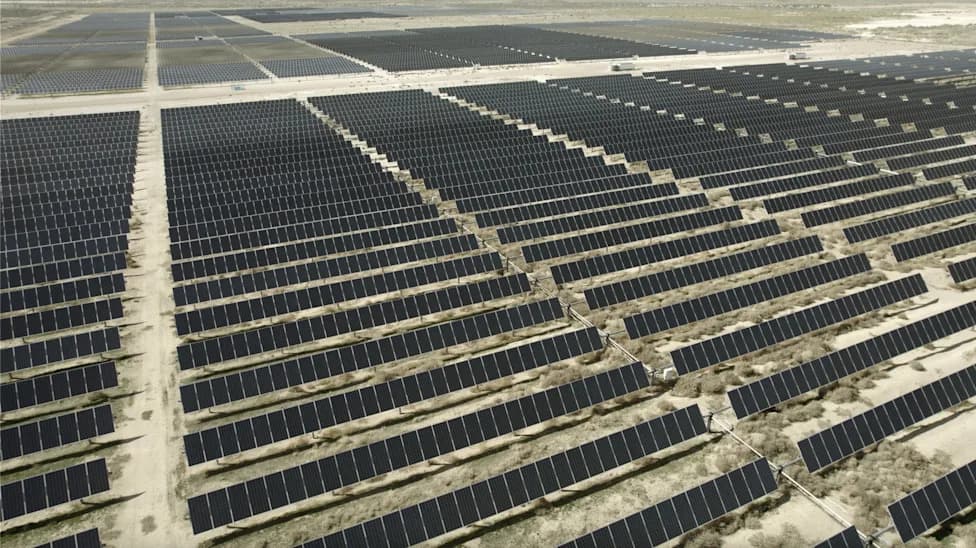
In a first, Utah got more power from solar than any other source
Utah's solar generation topped every other electricity source for the first time in May 2026, marking a major milestone in the state's yearslong shift away from coal. Photovoltaic arrays produced nearly 1 terawatt-hour that month, equal to almost one third of Utah's total generation, according to Ember, a global energy think tank.
May Snapshot
Ember data show solar produced nearly 1 TWh in May 2026. Natural gas accounted for roughly 32 percent of generation, coal about 28 percent, and wind about 2 percent. Observers call the shift a win for air quality, the economy, and long-term climate goals.
Projects Driving Growth
Several large-scale installations and storage pairings helped push solar output to this level:
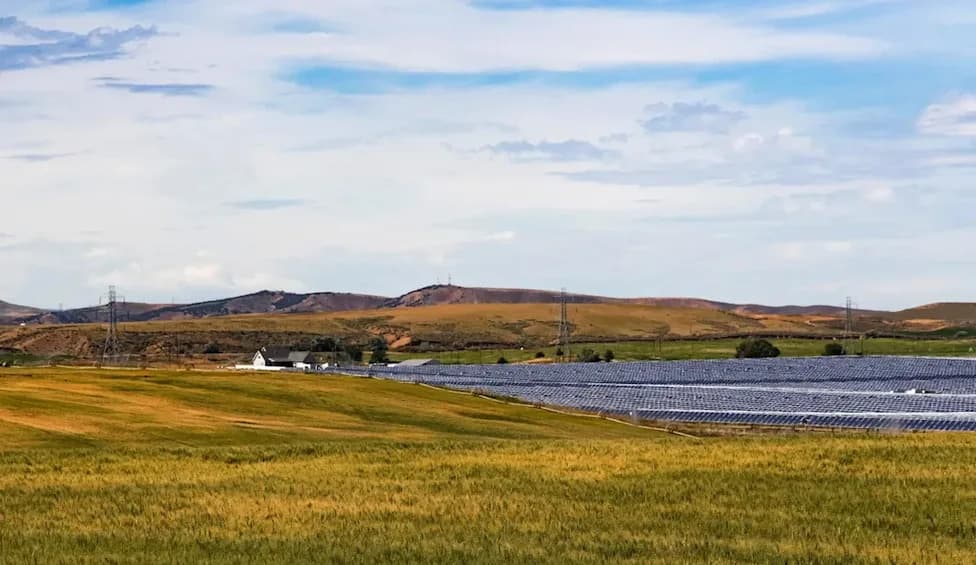
- Green River Energy Center — a 2,500-acre facility in central Utah that came online in spring 2026 with 400 MW of solar and 400 MW of battery storage.
- Faraday Solar — Excelsior Energy Capital’s project in Utah County, delivering up to about 685 MW last fall under a commercial contract serving a Meta data center.
- Elektron Solar Project — An 80 MW photovoltaic farm that began supplying Salt Lake City, Park City, and Summit County in June 2024.
Dan Schroeder, physics professor at Weber State University: Solar growth is positive for air quality, the climate, jobs, and the economy.
Jobs, Investment and Local Industry
Solar has become an important employer and investment target in Utah. The Solar Energy Industries Association reports nearly 8,000 solar-related jobs statewide and a business ecosystem of about 132 solar companies, including developers and manufacturers. Investors committed roughly $1.5 billion to Utah’s solar market in 2025.
For context, oil and gas extraction supported about 1,291 jobs in 2025, while coal mining employed roughly 1,059 people in 2023, and about 1,905 jobs were in coal and petroleum product manufacturing in the most recent data.
Decline of Coal and Monthly Variability
Solar's rise has contributed to a steady fall in coal's share of Utah generation. In 2017 coal supplied between 64 and 78 percent of the state's electricity, depending on the month. By 2023 coal's share fell below 50 percent during parts of the year, and in spring 2026 it dropped to under one third. Electricity mixes vary by season and weather, so monthly shares will change, but Utah's sunny, arid climate leaves substantial room for continued solar growth.
Regional Grid Trends: Wind and Solar Complementarity
PacifiCorp data reviewed by analysts show wind generation has surged regionally. For the first time, wind exceeded other sources in PacifiCorp's combined portfolio for Utah, Wyoming, and Idaho during December and January. Most of that wind comes from Wyoming, and the Rock Creek II expansion added roughly 400 MW last fall. Wind and solar work well together: wind tends to peak in winter and solar in summer, smoothing seasonal supply when both are available.
Policy, Costs and Utility Plans
The federal administration has moved to phase out certain tax incentives for wind and solar, describing some incentives as costly. Utilities and advocates disagree about the long-term effects: proponents say renewables paired with batteries are increasingly among the cheapest and most reliable resources, while some utilities cite current cost and policy uncertainty when pausing new projects. PacifiCorp’s latest Integrated Resource Plan pauses plans for additional wind and solar over the next two decades, calling the update a snapshot that will be revisited as costs and policies change.
Climate Impacts and the Case for Faster Emissions Cuts
Local climate impacts underscore the stakes. Analysts point to a record-hot spring followed by a damaging cold snap that hurt fruit crops, an almost nonexistent snowpack that increased wildfire risk and strained water supplies, and rising tick-bite emergency visits linked to milder winters. Climate and energy analysts argue these trends strengthen the case for faster emissions reductions.
Outlook
The U.S. Energy Information Administration forecasts substantial additions of clean capacity in 2026 at the national level: roughly 43.4 GW of new solar, 24.3 GW of battery storage, and 11.8 GW of new wind, compared with about 6.3 GW of new natural gas and no new coal capacity. Some Utah-generated electricity is exported to other states, and some projects supply single large customers under contract, factors that will shape how local generation affects consumers and the wider grid.
Originally published by Grist on Aug 6, 2026.
Help us improve.