Lucy Powell's education agenda has increased the influence of teaching unions in government, prompting debate about standards and accountability. The NEU promotes DEI initiatives and has personnel links into Labour, while its leader has been a vocal critic of past Conservative reforms. Key tensions remain between a knowledge-based, discipline-focused model and progressive approaches that prioritise creativity and broader development. How Labour balances accountability measures — phonics checks, SATs and GCSE league tables — with calls for teacher protection will shape future classroom practice.
Is Labour Ceding Britain's Classrooms to Hard‑Left Teaching Unions?
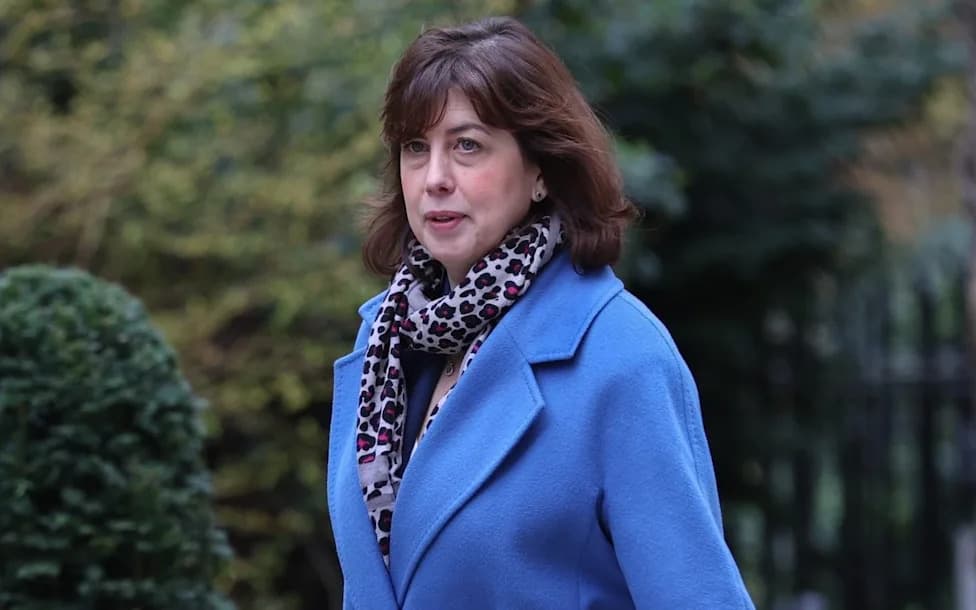
Schools should prioritise the interests of pupils, rather than educational ideologues - Zeynep Demir/Anadolu via Getty Images
Lucy Powell's education changes have brought teaching unions back into the centre of Whitehall debate — a shift that supporters say rebalances priorities and critics warn could weaken standards for pupils.
Unions, Politics and Personal Links
The National Education Union (NEU) stresses its institutional independence and does not donate to the Labour Party, but its public materials and some personal connections with Labour figures make its views politically significant. The NEU publicly champions diversity, equity and inclusion (DEI) initiatives, uses concepts such as "adultification," and promotes an "anti-racism charter" that criticises what it calls an "ethnocentric curriculum." Amanda Martin, a former NEU president, was elected to Parliament in 2024 and became a parliamentary private secretary to then-education secretary Bridget Phillipson.
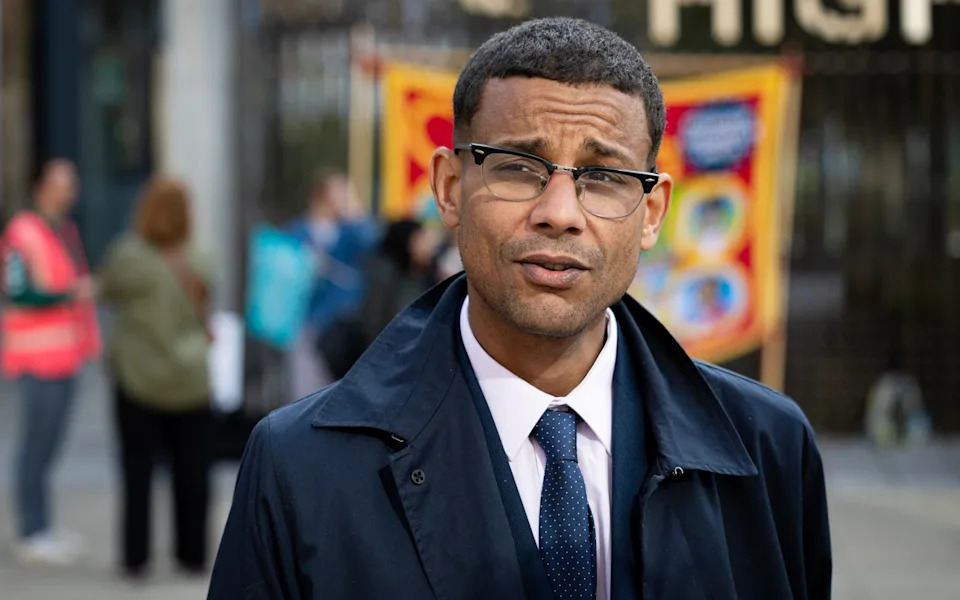
Daniel Kebede, head of the National Education Union (NEU), has spoken publicly about his support for Palestine - Geoff Pugh
Ideological Faultlines: Knowledge Versus Progressive Approaches
There is a longstanding debate in English education between a knowledge-based model — emphasising discipline, a sequenced curriculum and factual mastery — and progressive approaches that prioritise creativity, student-centred learning and broader definitions of development. Critics of progressive methods cite evidence that a coherent, knowledge-rich curriculum can raise attainment; supporters of progressive approaches argue that restricting content risks stifling creativity and wellbeing.
From Michael Gove to Lucy Powell
Teachers' unions were among the most vocal opponents of the post-2010 Conservative reforms under Michael Gove, which expanded academies and free schools and promoted knowledge-focused curricula. Powell has echoed some union criticisms of those reforms, and Labour has already moved away from Ofsted's one-word rating system — a change unions had long sought. NEU leader Daniel Kebede has publicly criticised the Conservative reforms and voiced wider political positions that have attracted attention.
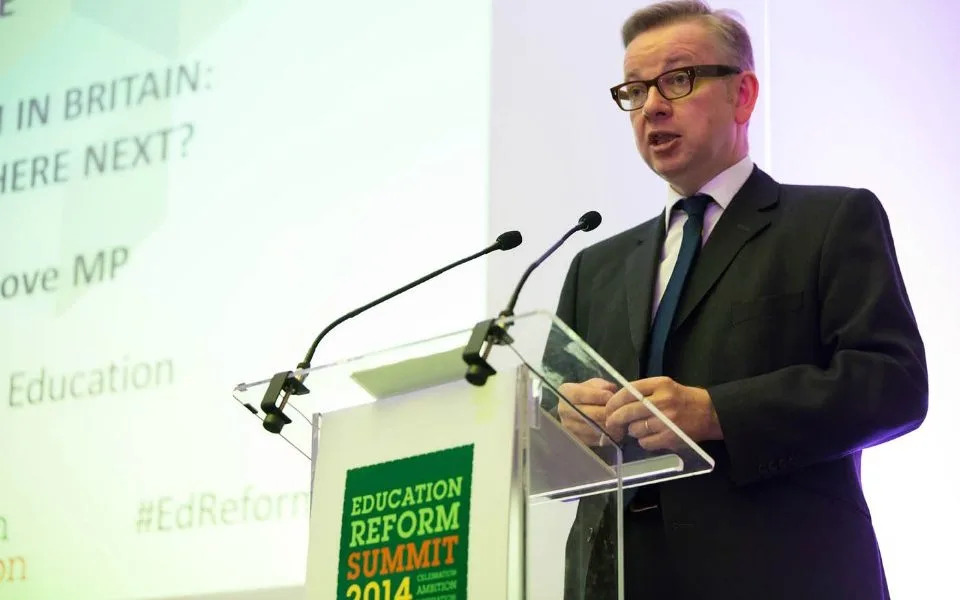
The Education Secretary has blamed Michael Gove's school reforms for Britain's youth worklessness crisis
Accountability, Assessment and the Debate Over Standards
One major flashpoint is accountability. Phonics checks, end-of-primary SATs, GCSE league tables and other measurable assessments are seen by some union voices as high-pressure or punitive; by others they are essential tools to drive improvement and highlight underperformance. How Labour balances demands for teacher protection and professional autonomy against national standards and reliable assessment will shape classroom practice.
Case Study: Michaela And The Culture Wars
Schools such as Michaela, led by Katharine Birbalsingh, exemplify the debate: a strict discipline regime and a tightly sequenced curriculum have delivered high results, but the school's methods and cultural stance have also provoked strong criticism. The controversy underlines wider tensions about which approaches best serve disadvantaged pupils and raise attainment at scale.
Vocational Routes And Future Skills
There is broad agreement that vocational education needs strengthening to meet the demands of advanced manufacturing and high‑skill industries. Powell has emphasised that vocational and academic routes need not be in opposition — but the shape and status of vocational pathways will depend on funding, qualifications design and political commitment.
What Comes Next: The extent to which Labour pursues union-friendly reforms without sacrificing clear, evidence-backed accountability will determine whether this moment delivers sustainable improvements for pupils or deepens divisions over what schooling should prioritise.
Help us improve.