Cambridge launched an inquiry into Professor Jason Arday only hours before his resignation, after reporters publicised multiple discrepancies in his record. Investigations highlighted improbable personal claims and alleged overlap of more than 180 passages in his PhD with another researcher’s work. Cambridge initially defended Prof Arday and called some scrutiny a "vile smear campaign," while the Metropolitan Police investigated a journalist for months. Critics say the saga underscores the need for universities to prioritise rigorous verification over performative inclusivity.
Cambridge Urged to Recommit to Academic Excellence After Jason Arday Saga
Cambridge is right to investigate Prof Arday, but his statements should have brought scrutiny sooner
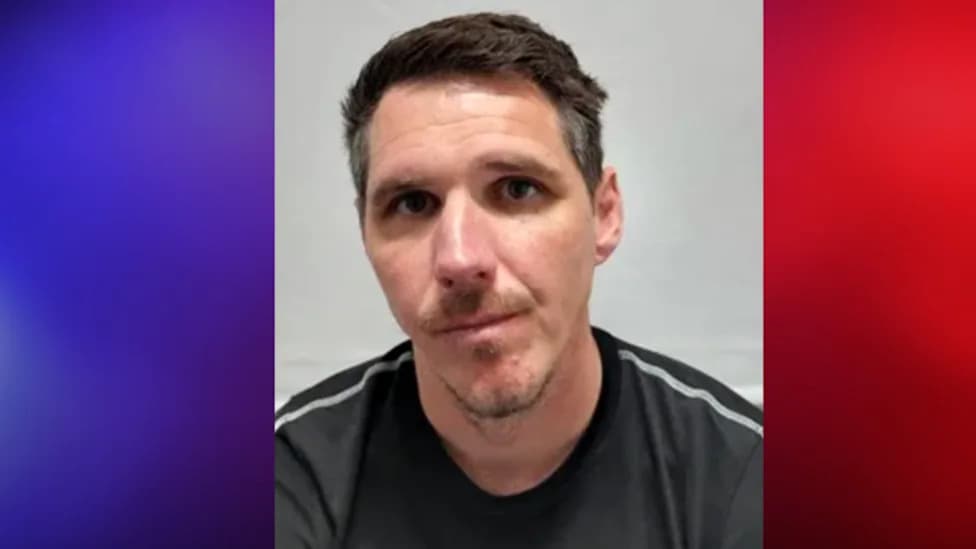
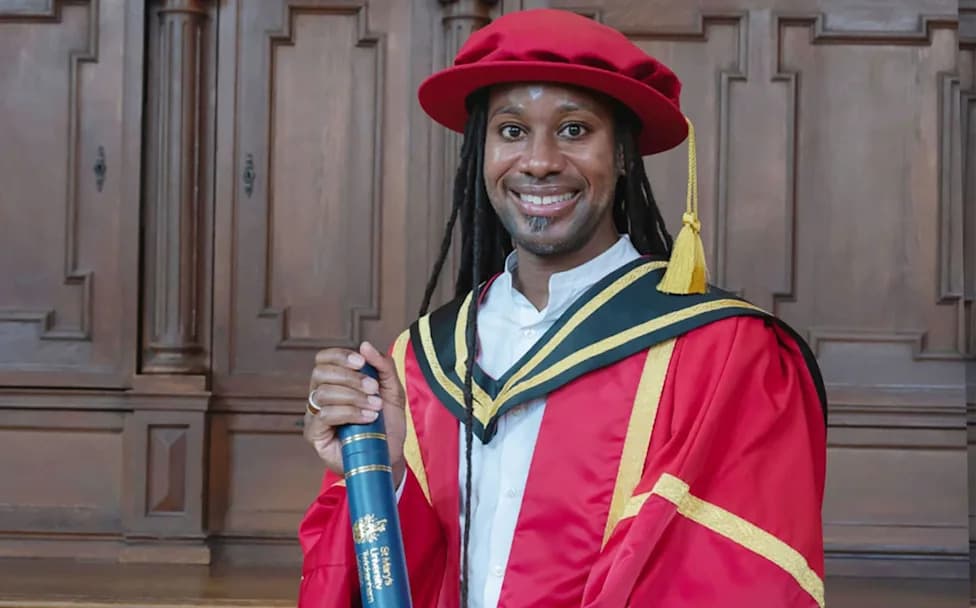
Cambridge University opened an inquiry into Professor Jason Arday’s disputed claims only hours before he resigned — a delay that has prompted renewed criticism of the institution’s commitment to academic scrutiny.
Background
Professor Arday, appointed in 2023 as the university’s youngest Black professor, made several claims that later came under question. Reporting by The Telegraph and other outlets highlighted a number of inconsistencies in his public record and academic work.
Questions Raised
Among the claims that prompted scrutiny were that Prof Arday learned to read and write only at 18, despite being awarded GCSEs two years earlier; that he ran 600 miles in six days — an endurance feat that would place him among the world's elite; and that he appeared on a television programme broadcast decades before his birth. Investigative reporting also found that a book linked to him had been abandoned by its publisher.
Academic Integrity Concerns
Last month, The Telegraph reported that Prof Arday’s PhD thesis, awarded by Liverpool John Moores University, contains in excess of 180 passages that are identical or nearly identical to those of another researcher. Those findings triggered questions about plagiarism and the robustness of prior checks on his academic record.
Institutional Response and Wider Issues
For weeks after these issues emerged, Cambridge publicly defended Prof Arday and criticised those raising questions — describing some scrutiny as a "vile smear campaign" aimed at an autistic Black man. The Metropolitan Police also investigated a journalist who probed Prof Arday’s record for four months; after finding no case to answer they advised the reporter to stop contacting him because of concerns about his "mental health." These actions have intensified debate about how universities balance duty of care with rigorous inquiry.
Why It Matters
The episode has been framed by critics as symptomatic of a broader problem within higher education: that some institutions may prize symbolic inclusivity and reputational signals over careful, evidence-based vetting. Observers argue that universities must apply the same standards of verification and scholarly rigour regardless of an individual’s background.
Cambridge was right to open an investigation. The university must now draw lessons from this episode and reassert a primary commitment to academic excellence and transparent processes.
As the inquiry proceeds, observers will be watching whether Cambridge strengthens its academic checks and responds transparently to restore trust in its scholarly standards.
Help us improve.