A federal judge in Austin invalidated parts of the 1934 National Firearms Act that governed suppressors and highly regulated weapons after Congress removed the $200 NFA tax last year. The ruling could allow purchases of silencers, short‑barreled rifles and short‑barreled shotguns without the NFA registration and related local review. Gun‑rights groups praised the decision and hope to press the case higher in the courts, while gun‑safety advocates warn it undermines public‑safety protections.
Federal Judge Rules Parts Of 1930s Gun Law Unenforceable, Opening Door For Suppressors And Short‑Barreled Firearms
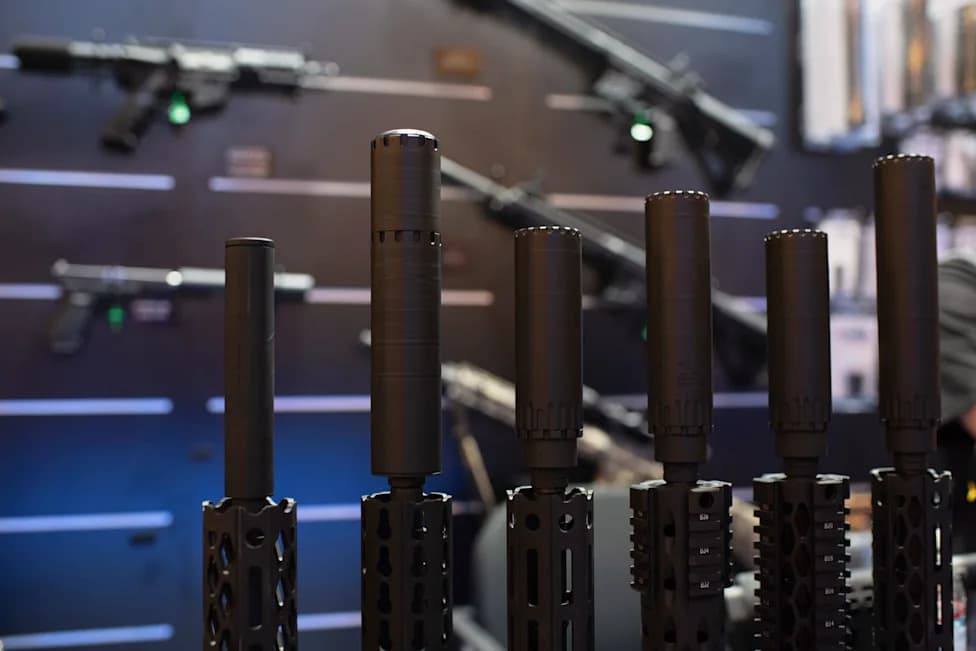
FILE - Firearms and suppressors are displayed at SHOT Show, the annual trade show for the gun industry, Jan. 21 2020, in Las Vegas. (AP Photo/Lisa Marie Pane, File)
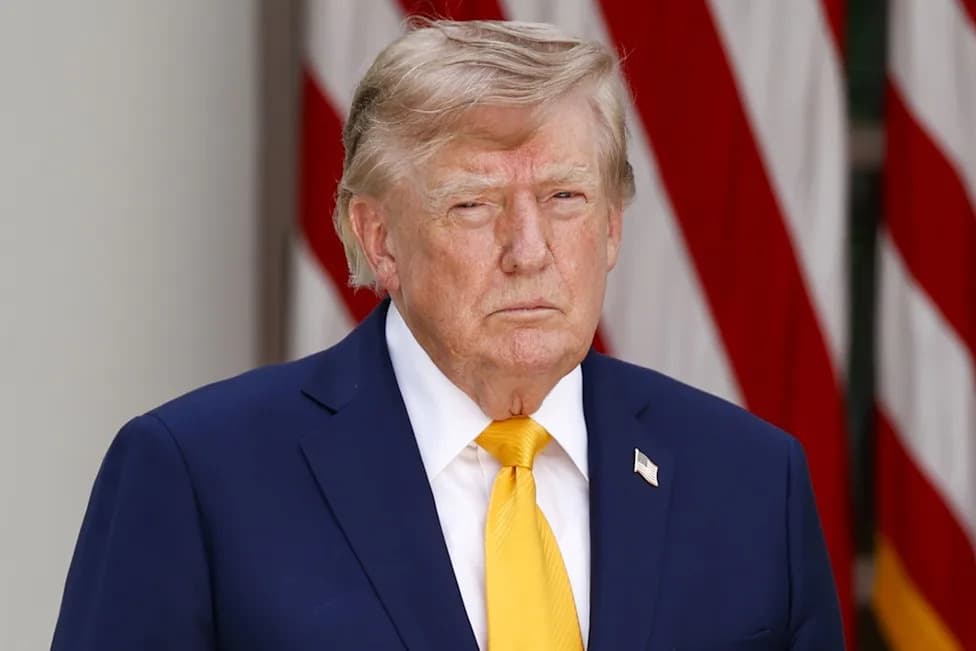
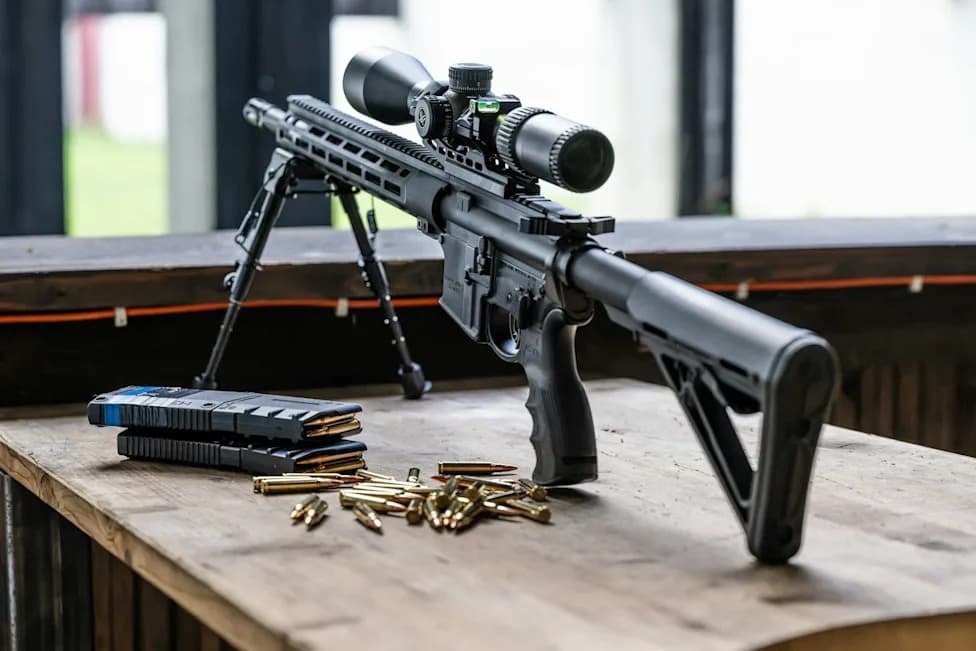
A federal judge in Austin, Texas, has struck down portions of the National Firearms Act (NFA) — a 1930s law that regulates firearm suppressors (commonly called silencers), short‑barreled rifles and shotguns, and other highly regulated weapons. The ruling follows Congress's removal last year of a $200 tax on those items, a change signed into law by President Donald Trump.
What The Ruling Means
U.S. District Judge James Hendrix concluded that because Congress no longer imposes the NFA tax, the statutory basis the government relied on to justify the registration and related regulatory provisions no longer exists.
"No longer can the challenged NFA provisions be justified — as they have been for nearly 90 years — under Congress's taxing power," Judge Hendrix wrote.
The decision could allow owners to acquire suppressors, short‑barreled rifles and shotguns and certain other firearms without the NFA registration that previously applied to those items. That registration process also triggered additional local notification and review steps that advocates say functioned as a heightened form of scrutiny beyond typical federal background checks.
Background
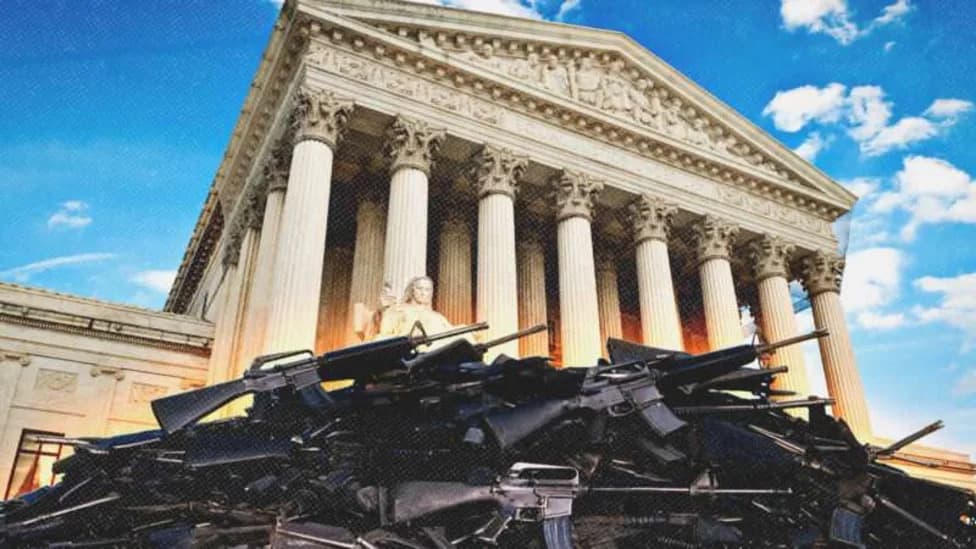
The National Firearms Act, enacted in 1934 amid concerns about organized crime, created special tax and registration rules for particular categories of weapons it considered especially dangerous. Historically, the $200 NFA tax and the accompanying registration process were linked: registration served in part to confirm payment of the tax.
Responses And Implications
Gun‑rights groups hailed the decision as a major victory and said they hope it will help advance similar challenges in other jurisdictions and ultimately reach the U.S. Supreme Court. The Second Amendment Foundation said the ruling creates a precedent to argue against government registries for firearm owners.
Gun‑safety organizations criticized the ruling as a setback for public safety. Adam Skaggs, chief counsel at the Giffords Law Center, said the NFA registration process "effectively functioned as a heightened background check for NFA weapons," because it included notice to and input from local law enforcement — protections that the ruling makes unenforceable.
The Bureau of Alcohol, Tobacco, Firearms and Explosives (ATF) — the agency that enforces the NFA — did not immediately respond to a request for comment. According to the ATF, more than 6.4 million suppressors were registered in the U.S. as of June.
Legal observers say the decision is likely to prompt appeals and could become a high‑profile test of the government’s regulatory authority over firearms if it moves toward the Supreme Court.
Reporting: Wilder is a corps member for The Associated Press/Report for America Statehouse News Initiative. Report for America is a nonprofit program that places journalists in local newsrooms to report on undercovered issues.
Help us improve.