The United States and allied OAS members pressed for an extraordinary meeting of foreign ministers before September to address Nicaragua's move to bar opposition groups from elections. Michael Kozak urged ministers to explore the full range of lawful diplomatic, institutional, economic and collective-security options while stressing the plan excludes military action. The proposal drew broad support but faced reservations from Mexico and Brazil; delegates adjourned without a formal vote as negotiations continue. Nicaragua, which left the OAS in November 2023, is expected to vote on reforms in September that would ban opposition parties and extend the presidential term.
US and Allies Push OAS to Hold Extraordinary Meeting Over Nicaragua's Election Ban
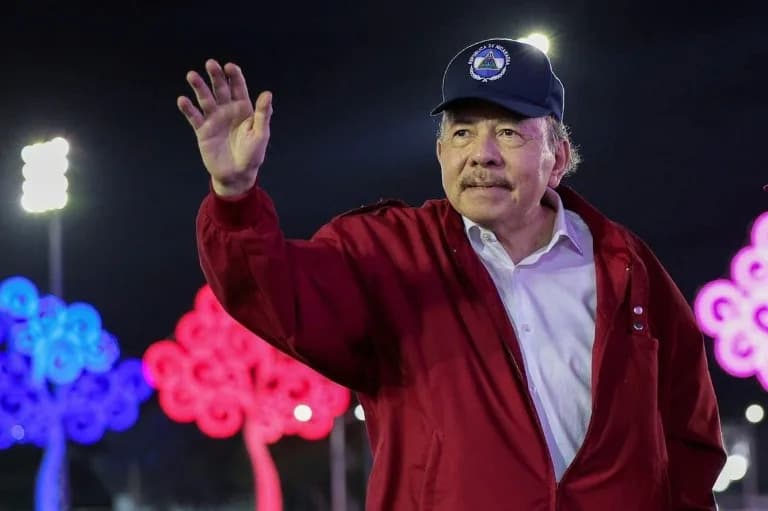
Nicaragua's President Daniel Ortega waves during an event to commemorate the 47th anniversary of the Nicaraguan Revolution (Cesar PEREZ)
The United States and a coalition of allied countries urged the Organization of American States (OAS) on Wednesday to convene an extraordinary meeting of foreign ministers to consider responses after Nicaragua moved to bar opposition groups from participating in elections.
What Washington Asked
Michael Kozak, the senior U.S. State Department official responsible for Latin America, proposed that foreign ministers meet before September — ahead of a planned Nicaraguan legislative vote — to review possible diplomatic, institutional, economic and collective-security measures. He emphasized the proposal "does not authorize the use of armed force."
"The issue is not whether the dictators have heard us. The issue is whether they believe our words will ever be followed by our actions," Kozak told OAS ambassadors.
Reaction Within the OAS
The initiative gained backing from a substantial majority of OAS members at the ambassador-level session, but delegates adjourned without taking a formal vote and said negotiations would continue. Representatives from Mexico and Brazil expressed caution, urging continued dialogue with Managua and a constructive role for the organization in opening negotiation channels.
Context: Nicaragua's Political Moves
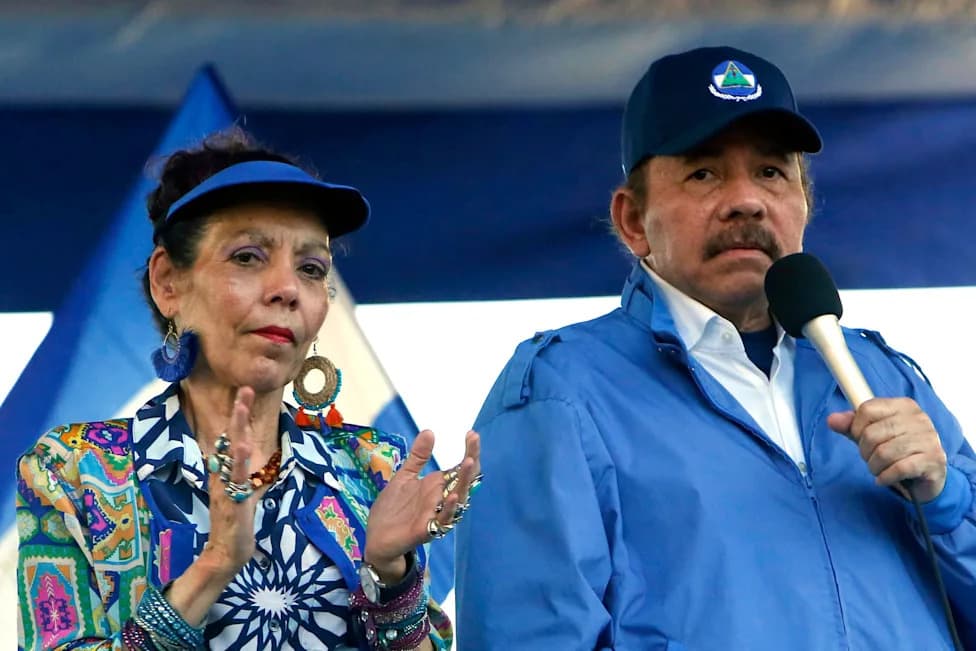
Nicaragua officially withdrew from the OAS in November 2023 and has become increasingly isolated within the Western Hemisphere. Last month, President Daniel Ortega — who has governed for nearly two decades — announced plans to bar opposition groups from standing in elections, labeling opposition leaders as traitors serving foreign interests. The Nicaraguan legislature is scheduled to vote in September on a constitutional reform that would also extend the presidential term to seven years.
What Comes Next
If ministers agree to meet, the OAS could map out a range of lawful, diplomatic and economic options, while continuing to emphasize dialogue. The outcome will depend on whether hesitant members can be persuaded to back collective measures and on developments in Managua ahead of the September vote.
Help us improve.