Two-year-old Lila Dripps-Weir had multiple life-limiting conditions and was fully dependent on carers. Her parents say strict age-based rules prevented access to a wheelchair-accessible vehicle and continence products despite clear clinical need. A charity eventually provided a vehicle shortly before her second birthday, and politicians and the Department for Communities have been urged to review age thresholds in favour of clinical assessments. The family continue to campaign for change in Lila's name.
Parents Say Age Rules Denied Dying Two-Year-Old Essential Support — They Call For Change

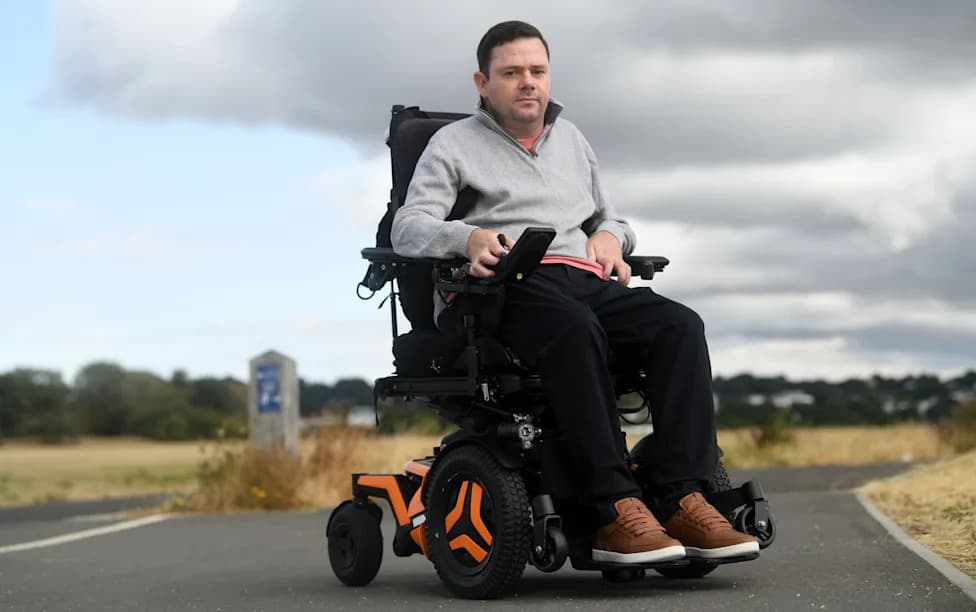
Hayley Dripps described her daughter as "a very happy little girl" [BBC]
The parents of two-year-old Lila Dripps-Weir say strict age-based rules blocked urgent, practical support for their severely disabled daughter during her short life. Lila, who died in May, had pyruvate dehydrogenase deficiency (PDH), severe hydrocephalus, epilepsy and was registered blind and deaf. According to clinicians, she was completely dependent for all care.
Family's Fight For Practical Help
Living in Cookstown, the family repeatedly encountered administrative barriers when seeking a wheelchair-accessible vehicle and appropriate continence products. Although Lila received a specialist buggy, the family could not transport the buggy safely without a wheelchair-accessible vehicle. Their application was effectively refused because eligibility rules link the higher-rate mobility component of Disability Living Allowance (DLA) — required for the Motability Scheme — to walking ability and age, with the higher rate not available in Northern Ireland until the age of three.
"You just hit one wall after another," said mother Hayley Dripps. "No matter how many medical support letters I had, no matter the long list of diagnoses she had, age was always a factor. They didn't look at her safety."
Father Robert Weir added: "When your child is dying, you shouldn't have to beg to get help that she's entitled to."
Continence Care Denied By Age Thresholds
The family also struggled to obtain continence products. Bladder and Bowel UK guidance says continence products are typically supplied only to children aged five or older who have been assessed and supported with a toilet-training programme for at least six months. Lila, who weighed more than 21 kg before she died, could not be toilet-trained and was forced to use the largest commercial nappies available. Hayley described the added distress of worrying what would happen when those nappies no longer fit.

Her dad Robert said they would never stop fighting in Lila's name [BBC]
Charity Support, Political Response And Calls For Reform
A charity providing support to disabled children stepped in shortly before Lila's second birthday and supplied a wheelchair-accessible vehicle — what the family called a "lifeline." In the weeks before she died the parents also rushed to complete forms so Lila could apply for mobility DLA before her third birthday on 1 August.
The Department for Communities (DfC) said it "recognises the significant challenges faced by families caring for children with complex and life-limiting conditions," and noted it maintains parity with the Department for Work and Pensions on benefit rules. The department said the minister would be willing to meet the family and raise the issue with the UK government.
Linda Dillon, a member of Stormont's health committee, urged ministers to consider clinical need rather than strict age limits for small but vital supports such as nappies and accessible cars. Lila's parents say they will continue campaigning in her name to change rules they view as inflexible and harmful.
Remembering Lila
Hayley remembered her daughter as "a very happy little girl... the strongest person I've ever met... courageous and had a smile that would light up a room." The family say they hope Lila's story will prompt policy changes so other families do not have to spend precious time and energy fighting for basic, dignity-preserving support.
Help us improve.