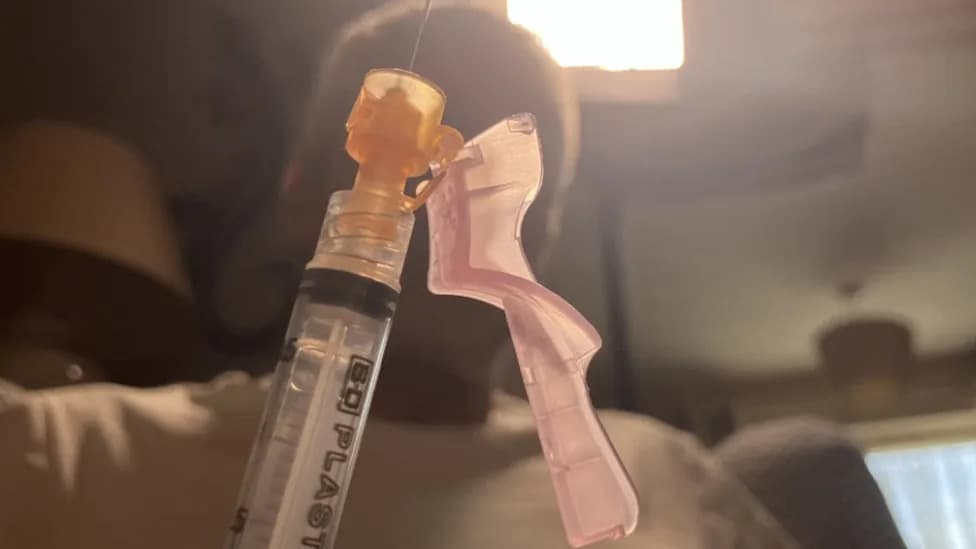
Parents of 18‑year‑old Regan Kelly say written assurances that she would be placed on the children's ward at Causeway Hospital were reversed ahead of planned stoma surgery, leaving her scheduled for an adult surgical ward. Regan, who has a learning disability, epilepsy and autism, is highly vulnerable to urinary tract infections, which the family fear are more likely on an adult ward. The Northern Health Trust apologised, deferred the rescheduled operation and said it will discuss a person‑centred plan with the family; the Department of Health reiterated clinicians should make case‑by‑case decisions.
Family Says 18-Year-Old With Learning Disabilities Was Denied Children's Ward Ahead Of Surgery
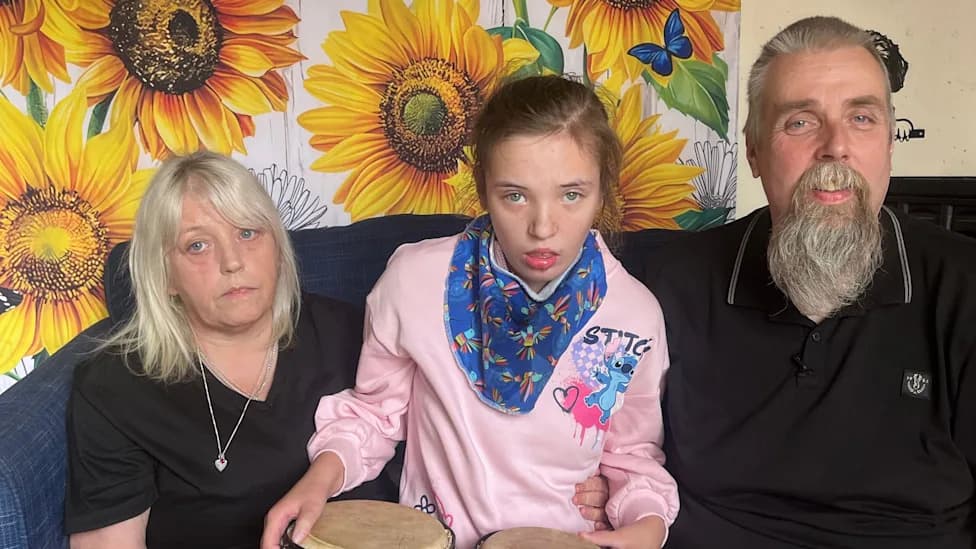
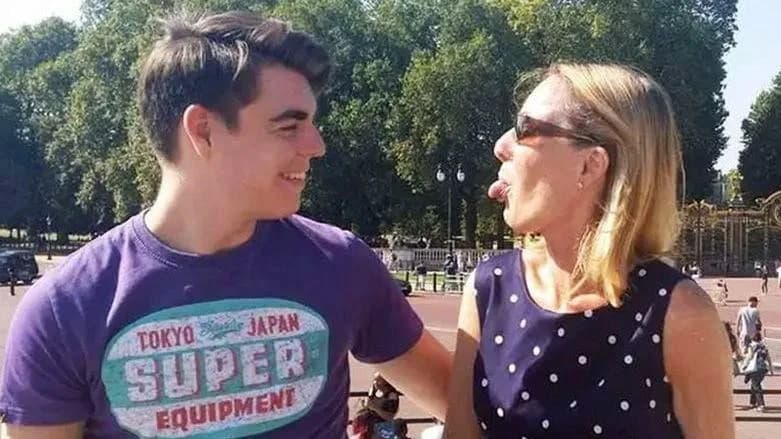
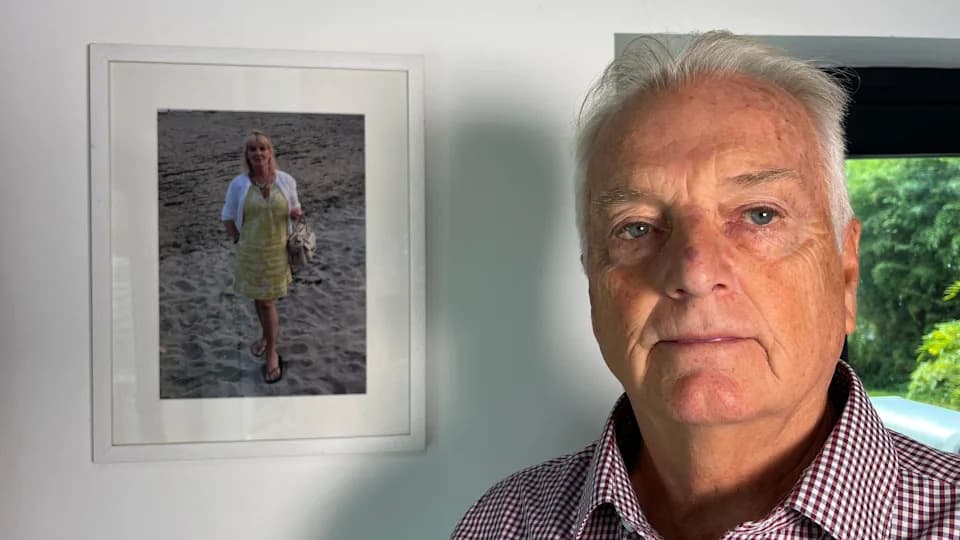
Karen and Anthony Kelly have criticised the Northern Trust for not allowing their daughter Regan to be cared for on a children's ward [BBC]
The parents of 18-year-old Regan Kelly say a Northern Health Trust withdrew written assurances that she would be accommodated on the children's ward at Causeway Hospital, Coleraine, ahead of planned stoma surgery — a move they describe as “distressing and heart‑breaking.” Regan, from Ballymoney, has a learning disability, epilepsy and autism and is said by her family to have the mental age of a four‑year‑old.
The Kellys say they received a letter confirming placement on the paediatric ward and were told by several staff members that this was acceptable. When they arrived for the operation last month, they were reportedly informed Regan would instead be cared for on an adult surgical ward. The family say this raised serious infection concerns, particularly around urinary tract infections (UTIs) that they believe are more likely on adult wards and which severely affect Regan’s health.
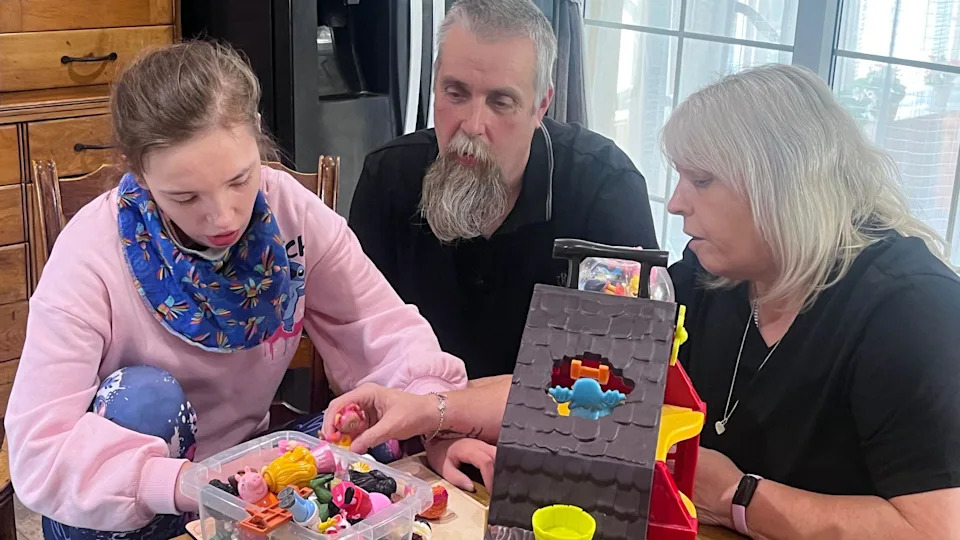
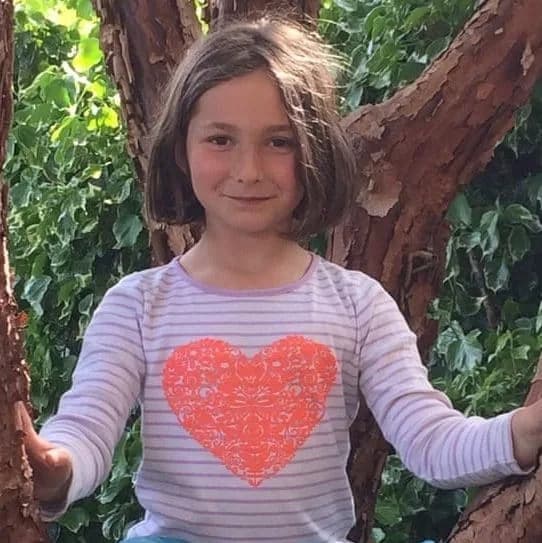
Regan, who has a learning disability, epilepsy and autism, was due to have stoma surgery at the Causeway Hospital last month [BBC]
"Regan's main concern is her urinary tract infections (UTIs) because they are debilitating, leave her drained, leave her extremely fatigued and cause double the seizures," Mrs Kelly said. "Her quality of life is very poor when she has a UTI and the fact that it takes so long to get them treated."
The Northern Health Trust apologised to Regan and her family "for the distress, anxiety, and frustration caused by their experience" and said staff tried to put alternative arrangements in place on the day, but those alternatives did not meet the family's needs. A rescheduled date that again listed the adult surgical ward has been deferred "to allow further discussion with the family as to how the situation can be resolved and a plan for surgery agreed," the trust said.
The trust told the BBC there is no specific regional or trust policy that rigidly sets an age limit for admission to a children's ward, but that "established practice is that children are generally cared for within acute paediatric services up to their 16th birthday." It added that, because of the nature of the operation, recovery on a surgical ward staffed by experienced surgical nurses was judged to be the safest environment for Regan’s post-operative care.
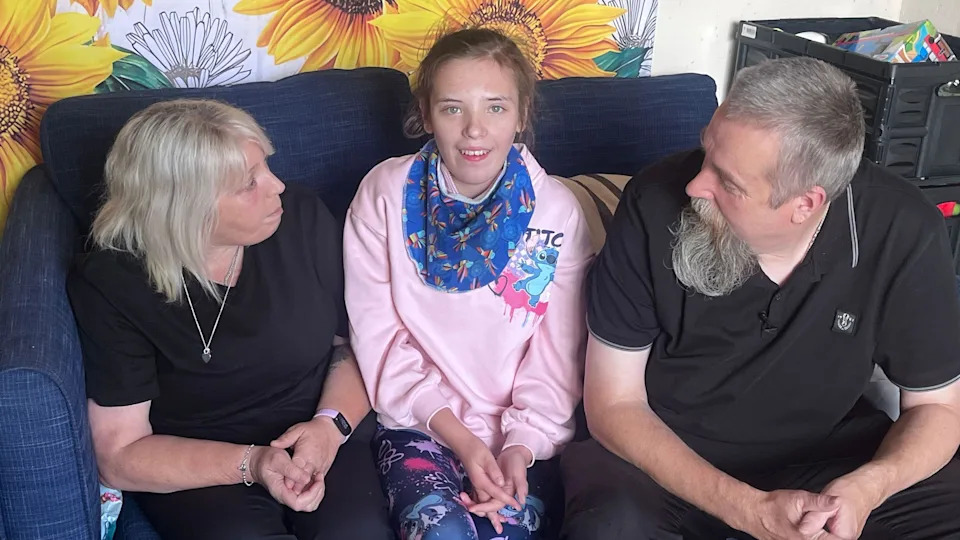
Regan is susceptible to serious infections, which the Kellys believe are more prevalent in an adult ward [BBC]
The Department of Health said clinicians should take a person‑centred approach when deciding where a patient is treated, and acknowledged how difficult the situation is for the family. The Kellys have questioned how consistently that person‑centred approach is applied at points of transition from children’s to adult services and say they are aware of other adults, up to age 24, who have been placed on the paediatric ward at Causeway during treatment.
The family say they hope the stoma operation — intended to reduce recurrent UTIs — will help, but clinicians cannot guarantee it will eliminate infections. Mrs Kelly said the family’s priority is reassurance that Regan will be cared for in a clean, safe and comfortable environment and that her infection risk will be taken seriously.
What Happens Next: The trust has deferred the operation to discuss options with the family and to agree a person‑centred plan. The family say they will continue to press for a placement they believe best protects Regan’s health while clinical teams evaluate the safest post‑operative setting.
Help us improve.