Ukraine's Energy Minister Denys Shmyhal warns that Russia aims to exhaust Ukrainian society with winter energy attacks and is increasingly targeting water systems. Kyiv has stepped up strikes on Russian refineries even as its own grid suffered heavy damage during the 2025–2026 winter, causing long blackouts. Zelenskyy pressed U.S. officials for a 300-missile emergency Patriot package amid unresolved licensing and production questions. International partners have routed €1.95 billion to energy support, but Kyiv still seeks about €900 million more for winter equipment and Naftogaz recovery.
Putin Aims To 'Break' Ukraine This Winter, Energy Chief Warns — Water Systems Now Targeted
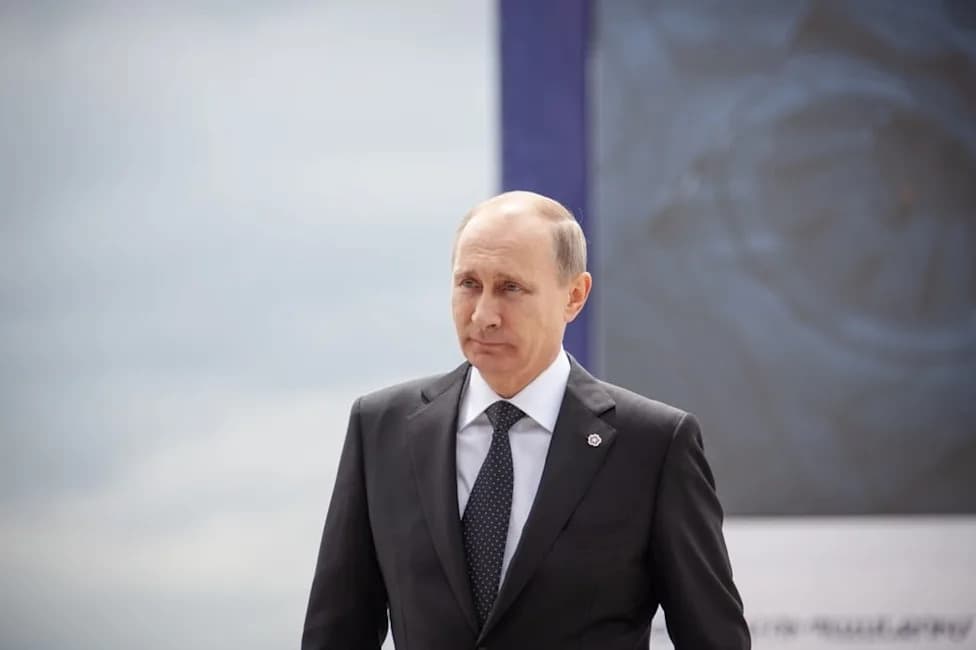
Putin Wants Ukraine to 'Break From Exhaustion' This Winter, Energy Chief Shmyhal Warns— And He's Coming After the Water Systems: 'It is Difficult to Survive...'
Ukraine's Deputy Prime Minister and Energy Minister, Denys Shmyhal, warned that Russian President Vladimir Putin intends to use winter energy attacks to wear down Ukrainian society and force Kyiv to capitulate. Shmyhal told Politico that Moscow's strategy is to "finish off our energy system and derail our economy and weapons production," and he said the Kremlin hopes winter exhaustion will pressure Ukraine's leadership into surrender.
Escalating Strikes on Energy and Water Infrastructure
Shmyhal likened the campaign to a "12th round," with each side waiting for the other to collapse. Kyiv has intensified strikes on Russian refineries and export infrastructure, worsening regional fuel shortages: Reuters reported that nearly 40% of Russia's refining capacity could remain offline for up to two months while Moscow has restricted fuel exports.
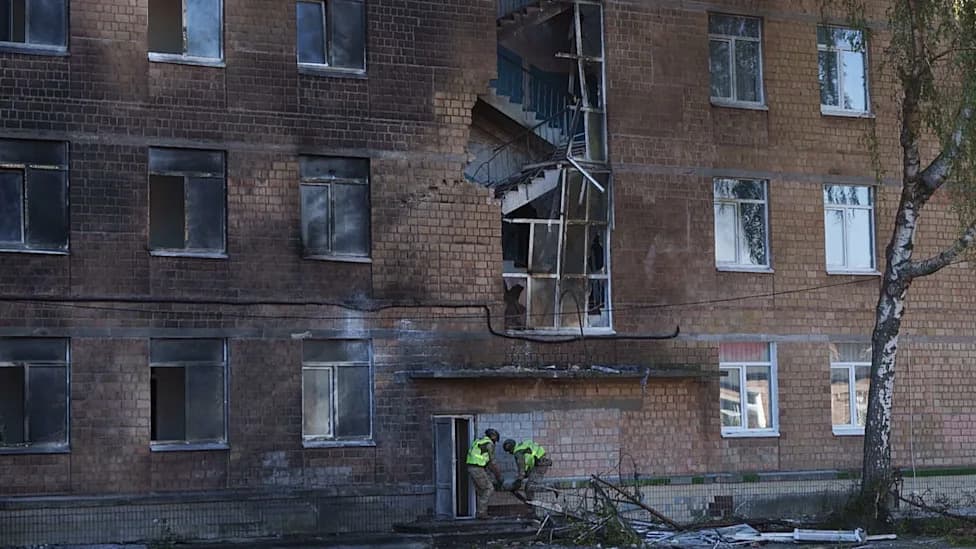
Russia has continued to strike Ukraine's electrical grid. Reuters reported that attacks during the 2025–2026 winter damaged more than half of Ukraine's generating capacity and produced blackouts of 14 to 16 hours in Kyiv. Shmyhal warned that Moscow's assaults have shifted toward water systems because, he said, "it is difficult to survive for more than three days without water and sewage."
Defense Requests and International Support
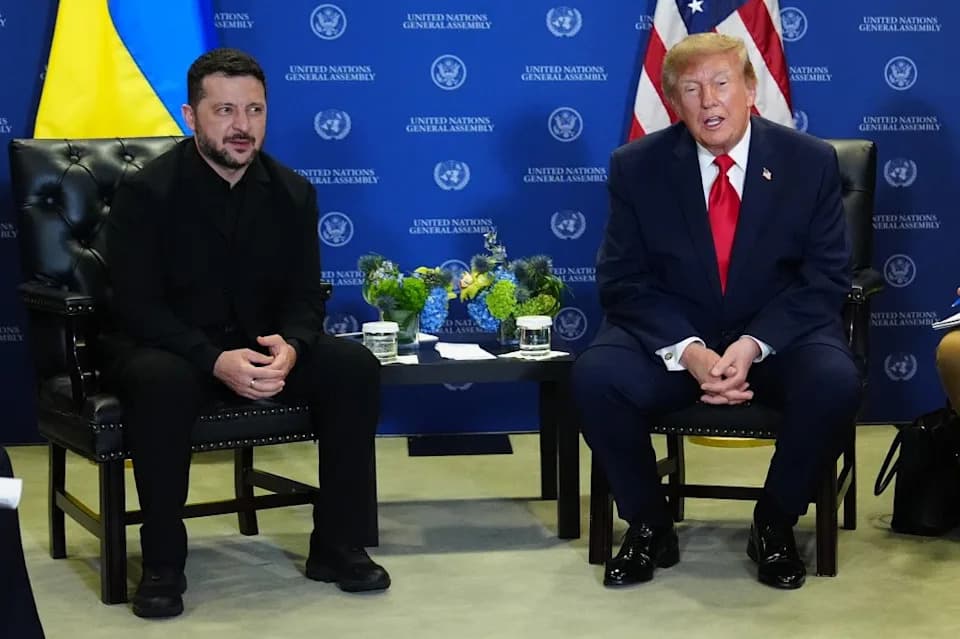
President Volodymyr Zelenskyy used a Washington visit to press U.S. officials — including President Donald Trump and members of Congress — for additional air-defense systems and Patriot PAC-3 interceptors. Kyiv sought an emergency package of 300 Patriot missiles and warned that limited U.S. production capacity could create an interceptor "crisis." Reuters later reported that the U.S. had not agreed to license Ukrainian Patriot production, despite earlier Ukrainian statements suggesting a political understanding. Kyiv has held talks with Raytheon and Lockheed Martin representatives about supplies and possible co-production.
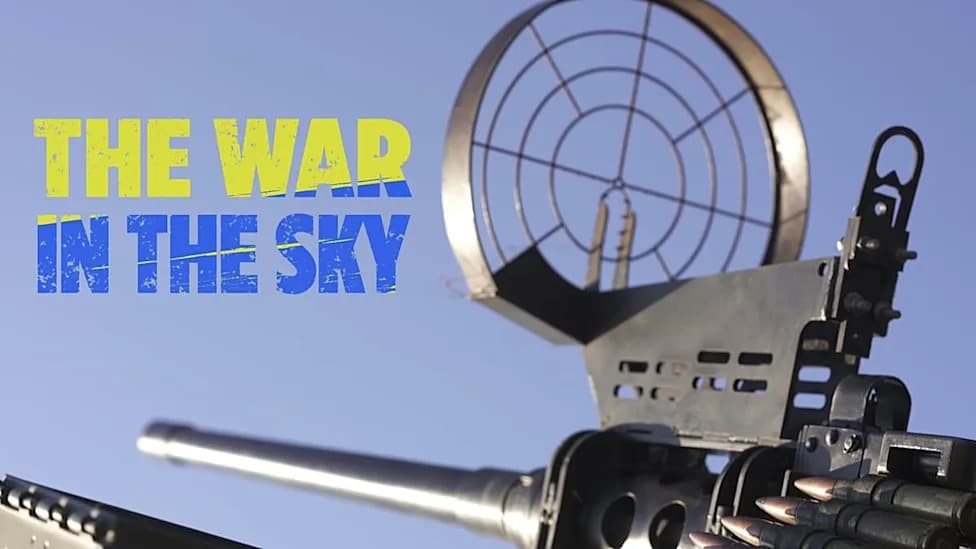
The urgency followed a July barrage involving 27 ballistic missiles and 185 drones that killed 10 people; Ukraine intercepted only one ballistic missile as Patriot interceptor stocks ran low.
How Ukraine Is Responding
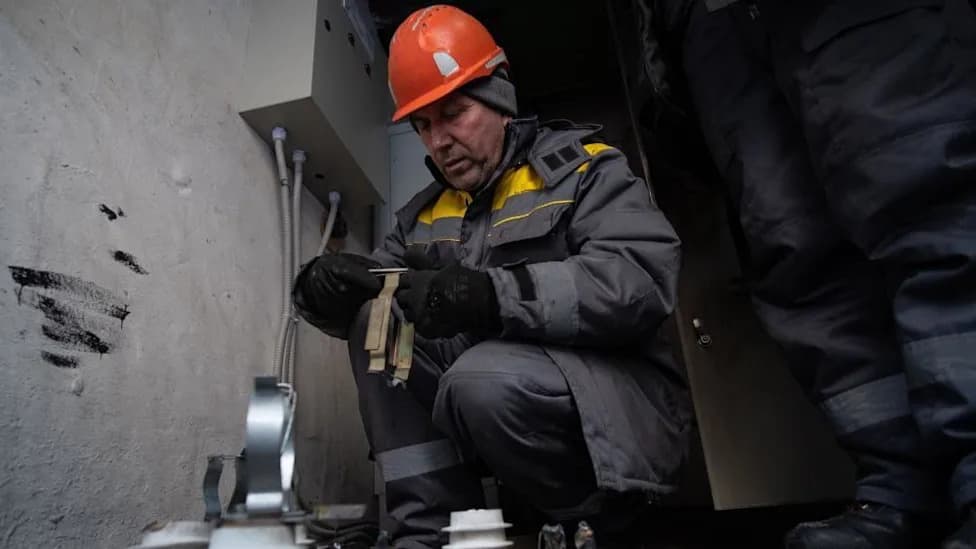
To protect critical services, Kyiv is fortifying power, gas and water facilities and deploying modular boilers and mobile generators that are harder to destroy. The Energy Community reported partners had routed €1.95 billion (about $2.24 billion) through the Ukraine Energy Support Fund by late June. Shmyhal said Ukraine still needs roughly €500 million ($575 million) for winter equipment reserves and another €400 million ($460 million) to aid Naftogaz's recovery.
"He will bleed, but he will drag us into the winter," Shmyhal said. "My optimism is that we will survive this winter; we are ready for it."
Ukraine's leadership and international partners continue to work to shore up defenses and energy resilience as the conflict intensifies and civilian infrastructure remains at risk.
Help us improve.