Arab and Muslim foreign ministers in Amman condemned what they described as an Israeli "escalation" in Jerusalem, alleging attempts to change the status quo at the Al-Aqsa/Temple Mount complex and restrictions on Muslim and Christian worship. Delegates cited visits by extremist settlers and some Israeli officials, arrests after alleged prayer violations, and damage and access restrictions at Christian sites. They reaffirmed East Jerusalem as the future Palestinian capital, endorsed Hashemite custodianship of holy sites, and urged international action to prevent wider conflict.
Arab-Muslim Ministers in Amman Condemn Israeli Actions at Al-Aqsa, Urge End to 'Escalation'
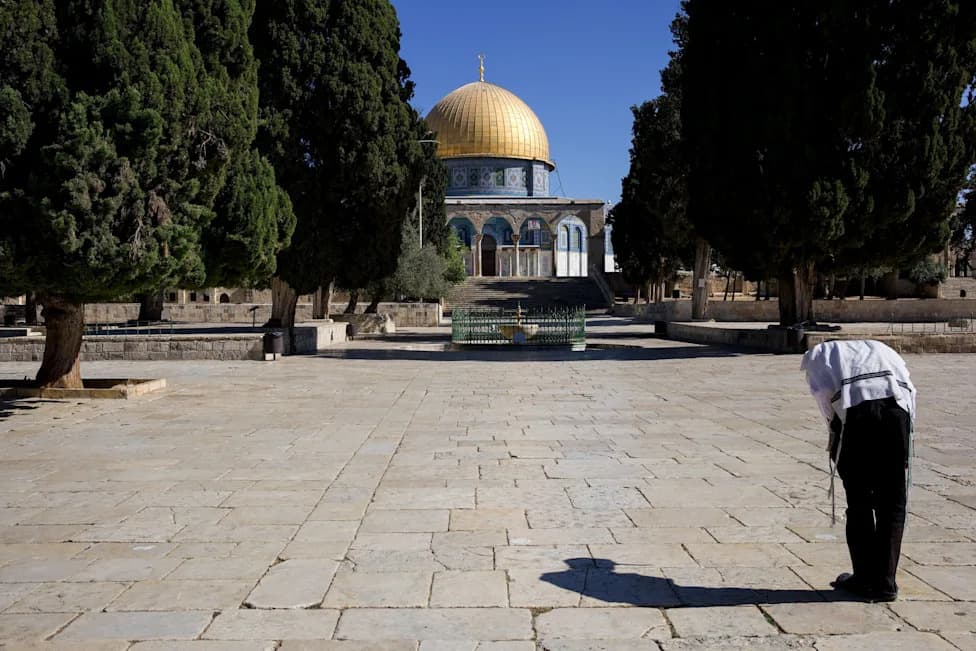
A JEWISH man prays during a visit to the Temple Mount, in Jerusalem's Old City, earlier this month. (photo credit: Naama Stern/Reuters)
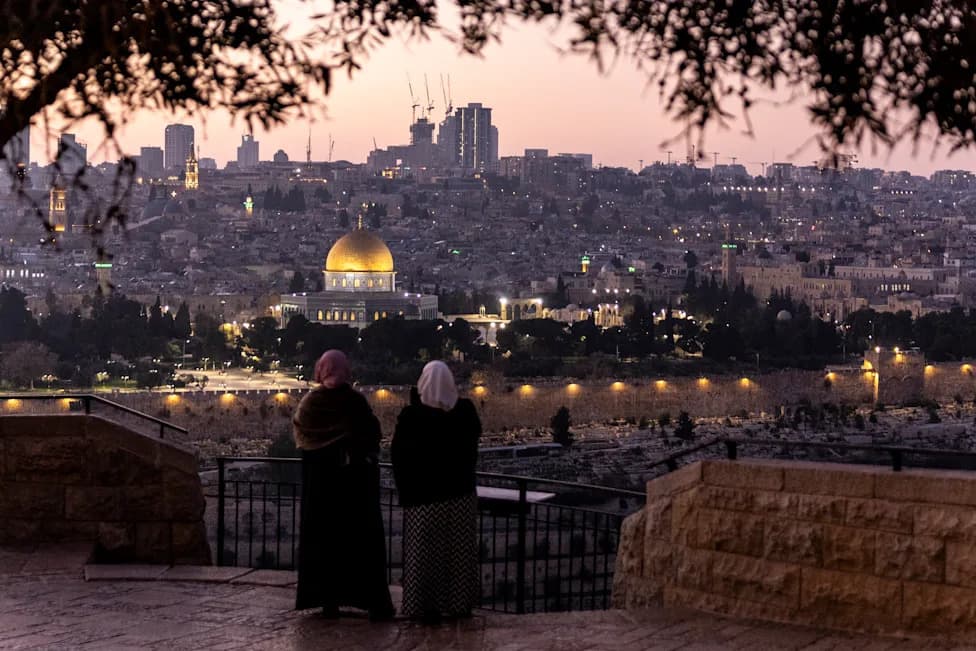
Arab and Muslim foreign ministers and envoys meeting in Amman on Wednesday issued a forceful joint statement condemning what they described as an Israeli "escalation" in Jerusalem, singling out recent statements and actions by extremist settlers and some Israeli government ministers at the Al-Aqsa Mosque compound and at Christian holy sites, the Jordanian Foreign Ministry said.
Who Attended
Delegations included foreign ministers and representatives from Jordan, Tunisia, Algeria, Iraq, Qatar, Saudi Arabia, Somalia, the Palestinian Authority, Indonesia, Turkey, Pakistan, Malaysia, Egypt and Morocco, along with the secretary-general of the League of Arab States.
Key Allegations
Meeting participants accused Israeli authorities and extremist visitors of a range of violations at the Al-Aqsa Mosque compound — which sits atop the Temple Mount, venerated in Judaism as the site of the First and Second Temples. The allegations included attempts to alter the site's historic and legal status quo and to impose a "temporal and spatial division" of the compound.
They listed specific claims of:
- Facilitating increased incursions by extremist settlers and some Israeli ministers and officials;
- Restricting Muslim worshippers' access and assaulting worshippers;
- Obstructing the work of the Jerusalem Awqaf and the Al-Aqsa Mosque Affairs Department;
- Conducting unauthorized excavations beneath and around the mosque;
- Applying measures that they say threaten the Arab, Islamic and Christian identity of Jerusalem.
Recent Incidents Cited
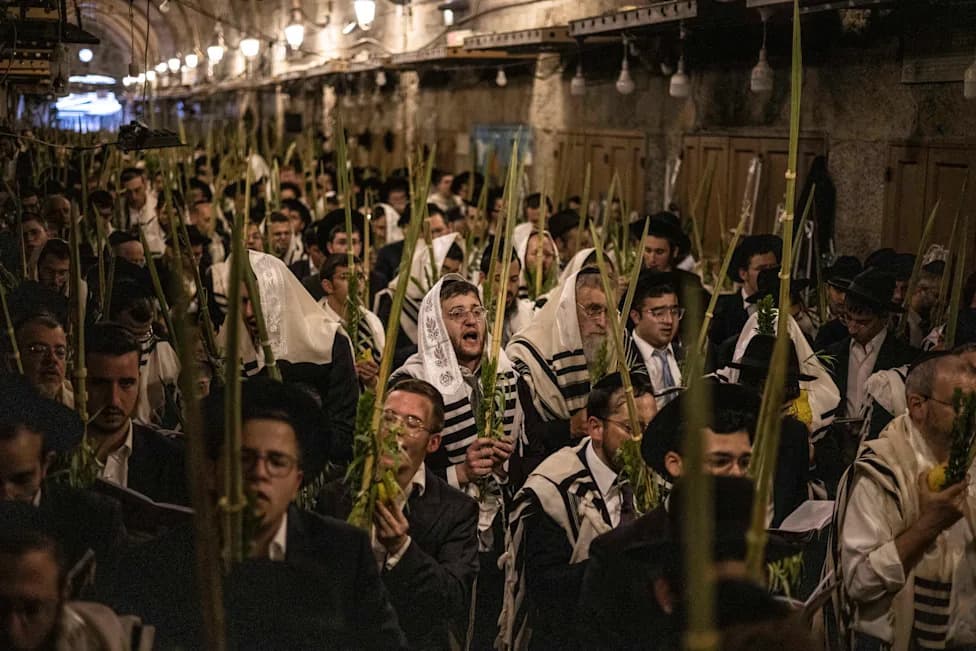
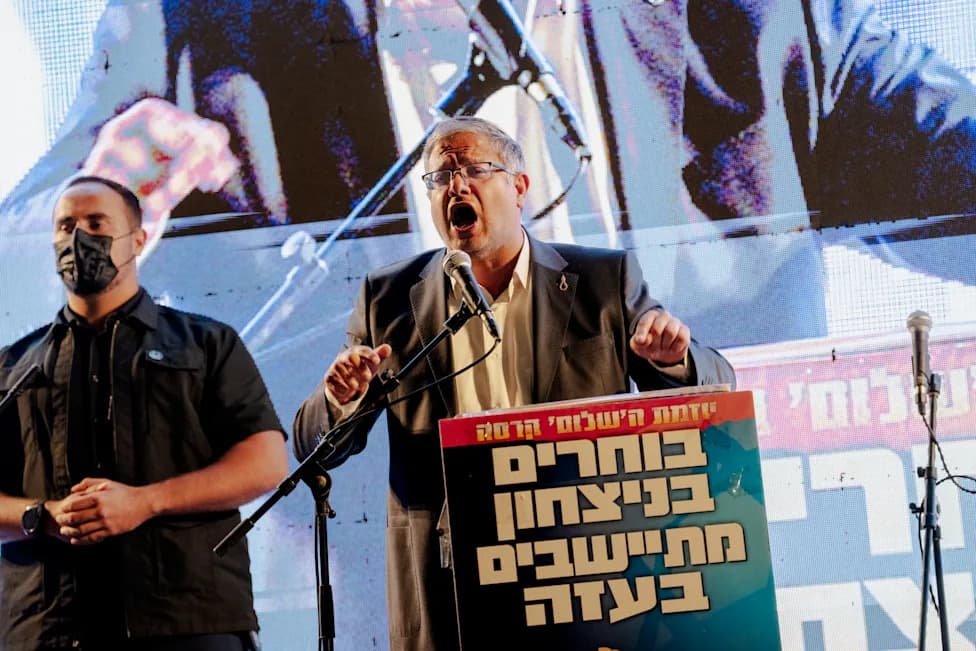
Delegates highlighted recent visits by thousands of Jewish worshippers to the Temple Mount — including National Security Minister Itamar Ben-Gvir — during the Tisha B'Av fast, which commemorates the destruction of the First and Second Temples. Under the longstanding status quo, Jews and Christians may visit the compound but are generally prohibited from praying there; Muslims are permitted to worship.
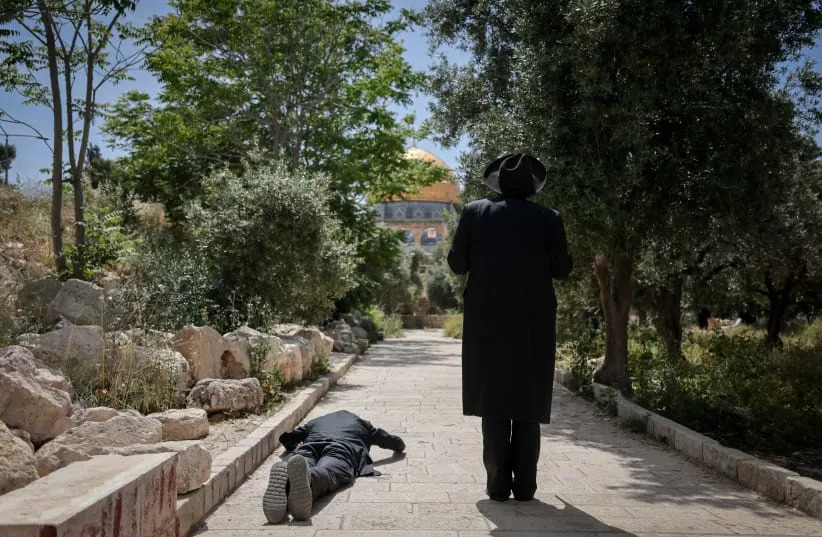
Ultra-Orthodox Jews pray at the Temple Mount, in Jerusalem's Old City, May 14, 2026 (credit: YONATAN SINDEL/FLASH90)
Israeli police detained dozens of Jewish visitors on Tisha B'Av after authorities said they violated prayer restrictions by reciting the Shema. In January, Israel Police relaxed some rules reported by the Jewish Telegraphic Agency, permitting Jewish visitors to carry a single printed prayer page prepared in advance while continuing to ban prayer books.
"This is a constant threat, a dangerous threat that we're trying to counter in every tool that we have possible," Jordanian Foreign Minister Ayman Safadi told The Guardian, warning that tampering with the status quo could spark a wider religious conflict across the Muslim world.
Concerns Over Christian Holy Sites
Delegates also raised concerns about Christian sites in Jerusalem, citing restrictions imposed at the Church of the Holy Sepulchre in March as part of national wartime security measures after heightened tensions. The statement noted an incident in which a fragment from an intercepted missile damaged the church roof.
The ministers accused Israeli authorities of interfering in church affairs, restricting Christian institutions and properties, and allowing attacks on worshippers and Christian symbols, though their joint statement did not list exhaustive evidence for each allegation. Recent arrests were reported after incidents in which individuals allegedly spat at and threw rocks around St. James Monastery.
Political Positions and Calls to Action
Delegates reaffirmed their view that East Jerusalem is part of Palestinian territory and should be the capital of a future Palestinian state — a step they said is essential for a two-state solution and for a lasting, comprehensive peace.
The ministers reaffirmed support for the Hashemite Custodianship over Jerusalem's Islamic and Christian holy sites, calling that role essential to protecting their religious and historical identity. They urged the international community to take action to halt what they described as "illegitimate" measures and warned that continued tensions could have regional and international repercussions.
Note: This article reports the claims and statements made by participating delegations and does not itself adjudicate the legal or factual merits of the allegations. It also notes actions and statements attributed to Israeli authorities and individuals, as described by the Amman meeting.
Help us improve.