A major review of more than 400 studies finds that river sand and gravel mining is outpacing natural replenishment, especially in Southeast Asia, with severe impacts on riverbeds, banks, groundwater and coastal saltwater intrusion. The authors highlight large untracked removal—for example, more than 50 million tonnes taken from the Mekong in 2024 versus about 20 million tonnes permitted, with an estimated 60% extracted illegally. They call for basin-scale management, sediment-budgeting and integrated monitoring using satellites, drones, sonar and field surveys to set sustainable extraction limits and stop illegal mining.
Rampant River Sand Mining Threatens Southeast Asia — Landmark Review Calls for Urgent Basin-Scale Action
Indiscriminate river sand mining threatens Southeast Asia, landmark study warns
A landmark review of more than 400 studies warns that rivers worldwide — and particularly in Southeast Asia — are losing sand far faster than natural processes can replenish. The extraction of river sand and gravel is increasingly driven by urbanisation and large construction markets, and the consequences are undermining communities, infrastructure and ecosystems along rivers and in delta regions.
Key Findings
The review finds that excessive extraction deepens riverbeds, weakens and erodes riverbanks, lowers groundwater levels, degrades water quality and allows saltwater to intrude farther inland in coastal and delta areas. These physical changes also threaten bridges, roads, buildings, aquatic habitats, farms, fisheries and local livelihoods.
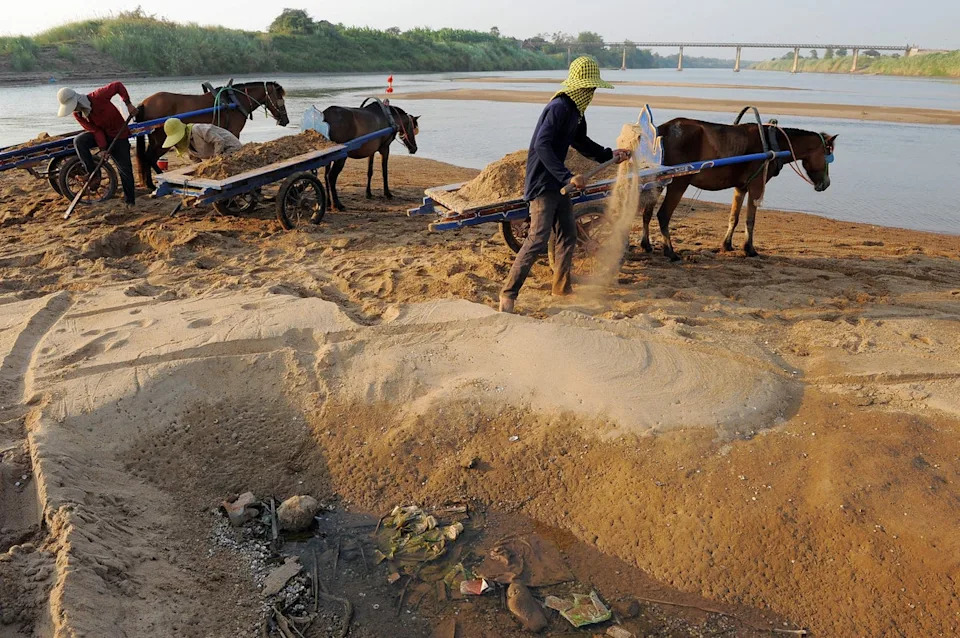
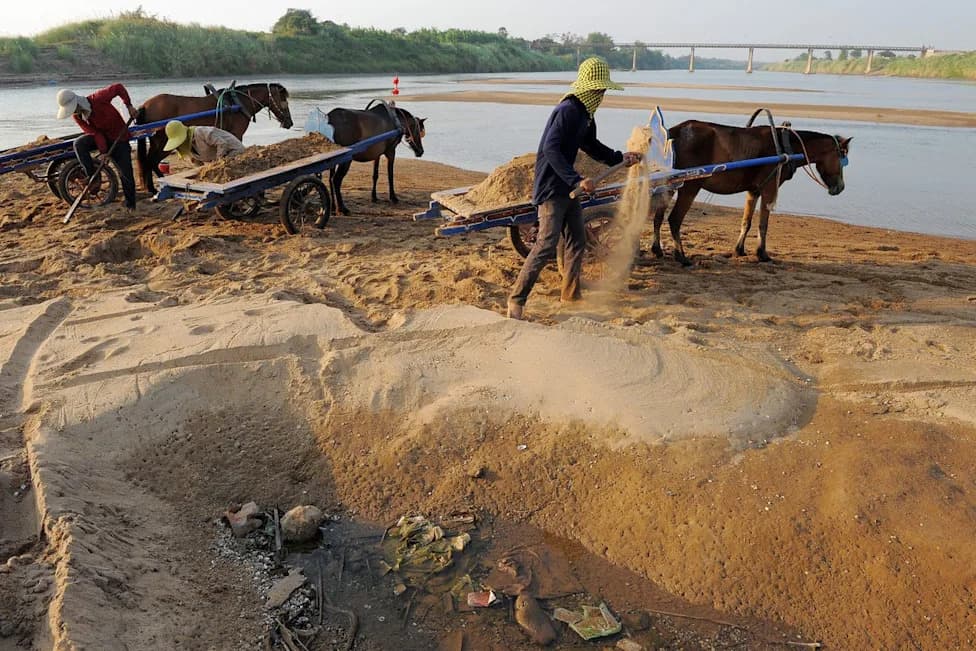
Cambodian workers shoveling sand into a horse cart along the Mekong river (AFP via Getty Images)
For example, researchers estimate that more than 50 million metric tonnes of sand were removed from the Mekong River in 2024, compared with about 20 million tonnes that were permitted; roughly 60% of that extraction is estimated to have been illegal.
"Sand is essential to the growth of cities, including in Singapore and Southeast Asia, but its extraction can place pressure on rivers and the communities that depend on them," said Edward Park of Singapore's National Institute of Education (NIE).
Why This Is Hard To Manage
Governments and regulators often lack basic, consistent data: only about 27% of the studies reviewed provided quantitative estimates of extraction. When extraction is poorly tracked, authorities tend to react after damage has already occurred and communities have been affected.
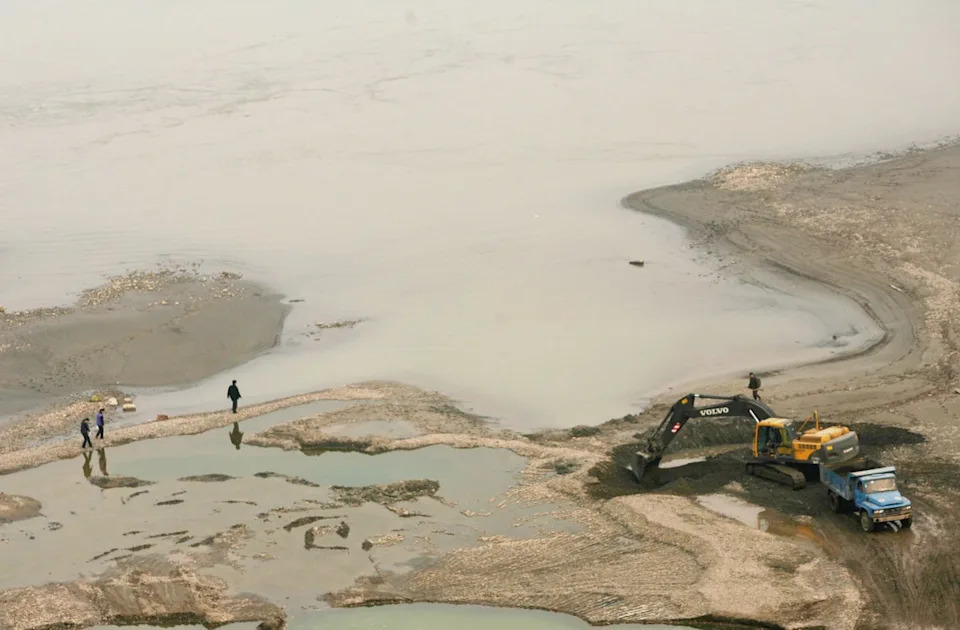
A dredger excavates sand at river beach of Yangtze River (Getty Images)
Recommended Actions
The authors urge treating sand mining as a river-basin issue and adopting integrated monitoring and management systems. Recommended measures include:
- Combining satellite imagery, drone surveys, sonar mapping and field measurements to continuously monitor extraction and channel change.
- Developing sediment-budget analyses and river modelling to estimate how much sand and gravel a river can sustainably supply and replace over time.
- Setting basin-scale extraction limits, improving permit enforcement, and targeting illegal operations early.
- Improving transparency in regional trade and reporting of sand imports and exports to reduce demand-driven pressure on local rivers.
The findings are especially urgent for Southeast Asia, where rapid urban development continues to drive steep demand for construction materials even as official import and export figures frequently fail to reconcile with on-the-ground extraction.
Policy makers, river managers and communities are urged to act now to combine better data, stronger governance and targeted protections so that rivers can continue to support people and ecosystems without being irreversibly altered.
Help us improve.