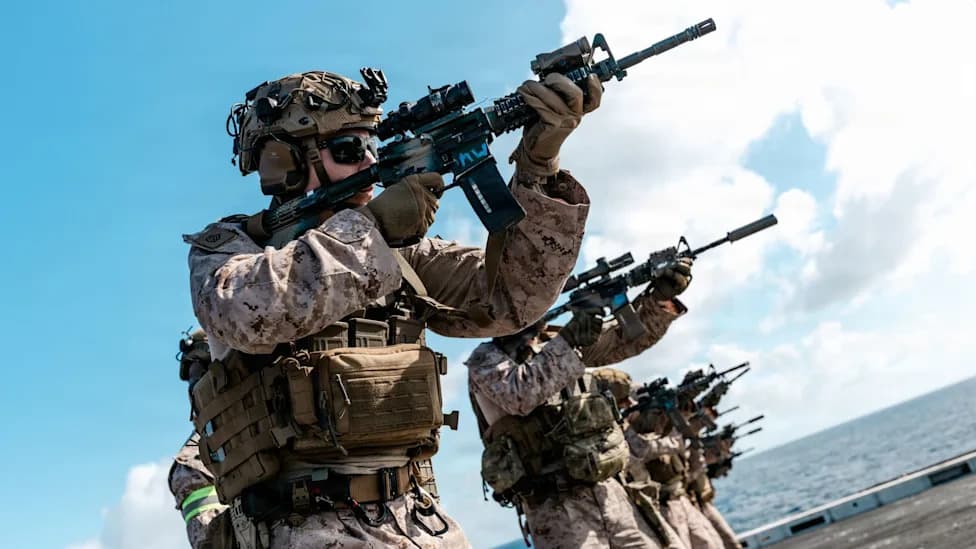
Nigeria has approved across-the-board pay increases for about 250,000 military personnel to bolster morale amid ongoing security crises. Junior ranks will receive an 80% pay rise while colonels and above will get 30%, which will raise the army wage bill by roughly 40% to $680 million. The move follows an alleged coup plot last year and comes months before the January presidential election.
Nigeria Approves Major Military Pay Raises as Security Challenges Persist
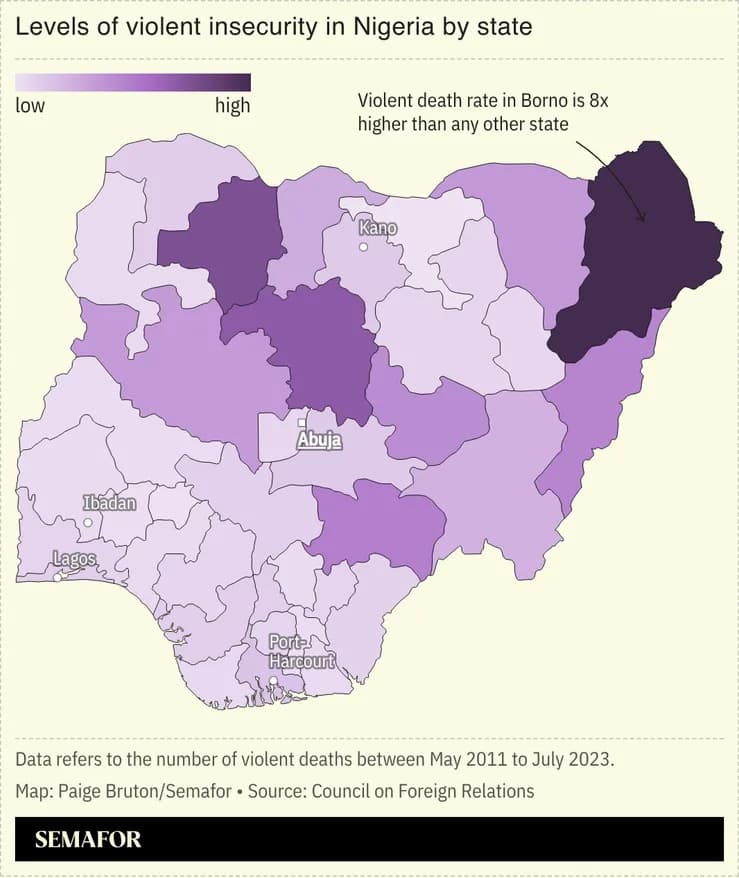
A map showing the levels of violent insecurity in Nigeria by state.
Nigeria will increase pay across all ranks in its armed forces in an effort to boost morale and strengthen operational effectiveness amid persistent security threats.
Security Context
Insurgent groups, including Boko Haram and affiliates of the Islamic State, have driven prolonged instability in the northeast for years. The military is also stretched by armed gangs conducting mass kidnappings for ransom and by violent clashes between semi‑nomadic herders and settled farmers in central states. Chronic shortfalls in intelligence, logistics and long‑standing low pay have hampered counter‑terrorism and security operations.
What the Pay Rises Mean
President Bola Tinubu authorised the pay package for roughly 250,000 service members. Junior ranks are set to receive an 80% increase in basic pay, while officers at the rank of colonel and above will get a 30% rise. Tinubu's office said the adjustments will raise the army's salary bill by about 40%, to approximately $680 million.
Timing and Significance
The decision follows an alleged coup plot last year that resulted in several officers facing treason and terrorism charges. It also arrives months before the January presidential election in which President Tinubu is expected to seek a second term. Observers say the pay rise could help improve morale, retention and operational readiness, though details on implementation timelines and funding were not specified.
Next Steps: The government has not yet released a timetable for when the new rates will take effect or how recurrent costs will be sustained. Analysts will be watching for changes in recruitment, retention and field performance after the increases are implemented.
Reporting: Alexander Onukwue.
Help us improve.