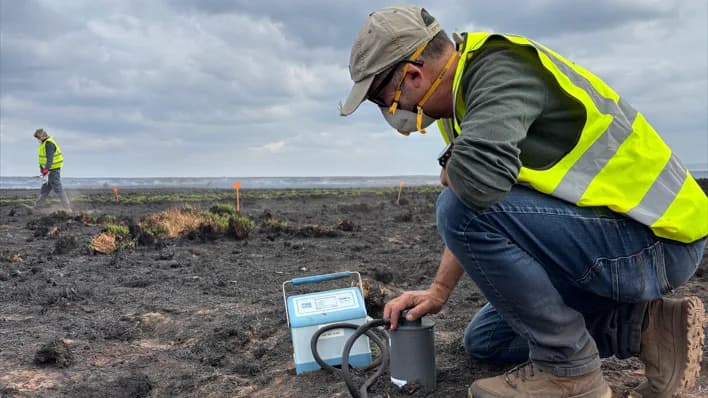
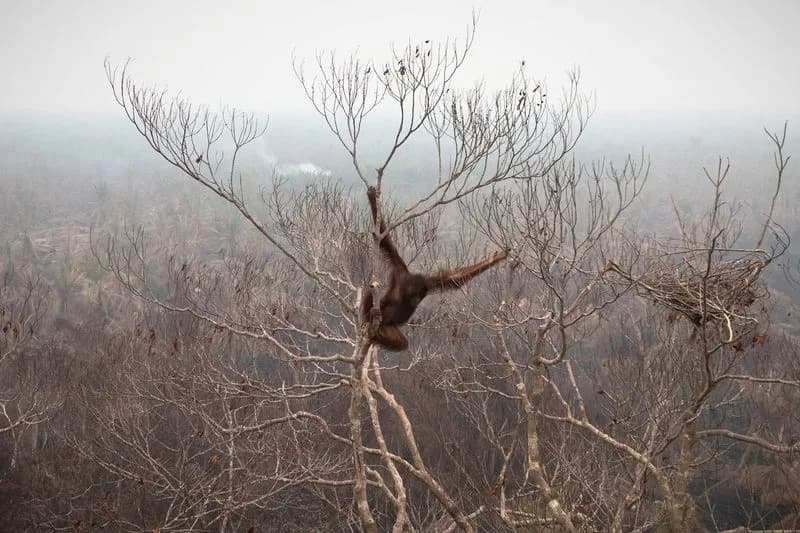
Four years after an 81-acre wildfire at Wild Ken Hill in July 2022, the reserve is visibly regenerating: grasses, reedbeds and shrubs have returned and bird species such as turtle doves and warblers are reappearing. Leaders at the site say the recovery demonstrates nature’s resilience but warn wildfire risk is rising amid drought conditions — Wild Ken Hill has had only 260 mm of rain this year. Preventive measures including cattle grazing, community engagement and close work with fire services are being used to reduce future risk and provide hope for larger affected sites like Dunwich Heath.
Nature Bounces Back: Wild Ken Hill’s Recovery Offers Hope After Devastating Heathland Fires
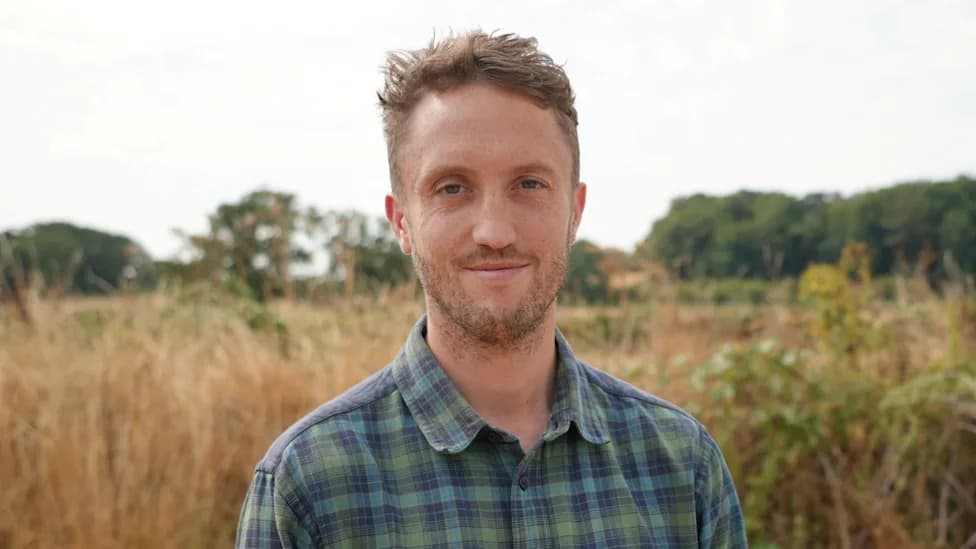
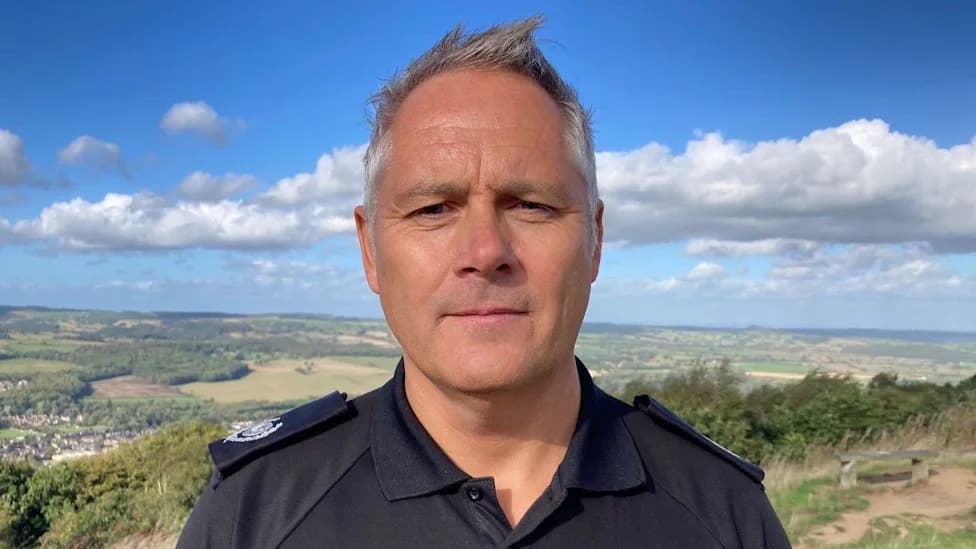
Dominic Buscall said four years on from a fire at Wild Ken Hill, the site was starting to look "pretty special" again [Shaun Whitmore/BBC]
Four years after a major wildfire tore through Wild Ken Hill in Snettisham, Norfolk, the reserve has shown striking natural recovery — and its founder says the regenerating landscape offers hope for other sites hit by blaze, including Dunwich Heath and RSPB Minsmere.
Recovery At Wild Ken Hill
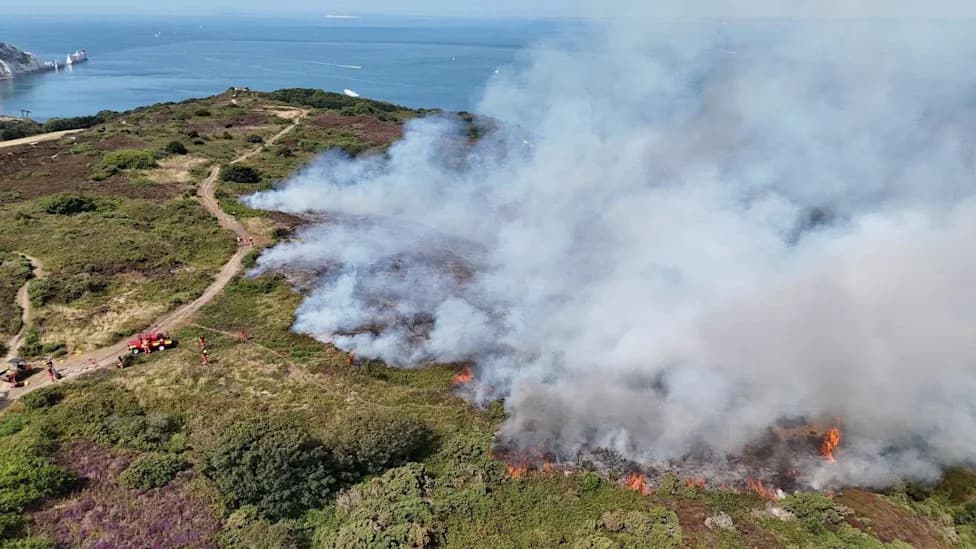
In July 2022 a large fire burned about 81 acres (33 hectares) of Wild Ken Hill, destroying habitat and killing mammals, reptiles, amphibians and several scarce bird species. Since then the site has begun to regenerate: grasses and reedbeds greened up within a year, shrubs and young scrub have returned, and birds such as turtle doves and several warbler species are being recorded again.
“There’s still a way to go, but within four years it actually looks pretty special once again,” said Dominic Buscall, founder of Wild Ken Hill. “Nature has this wonderful ‘bouncebackability’ we sometimes take for granted.”
Recent Fires And Ongoing Risk
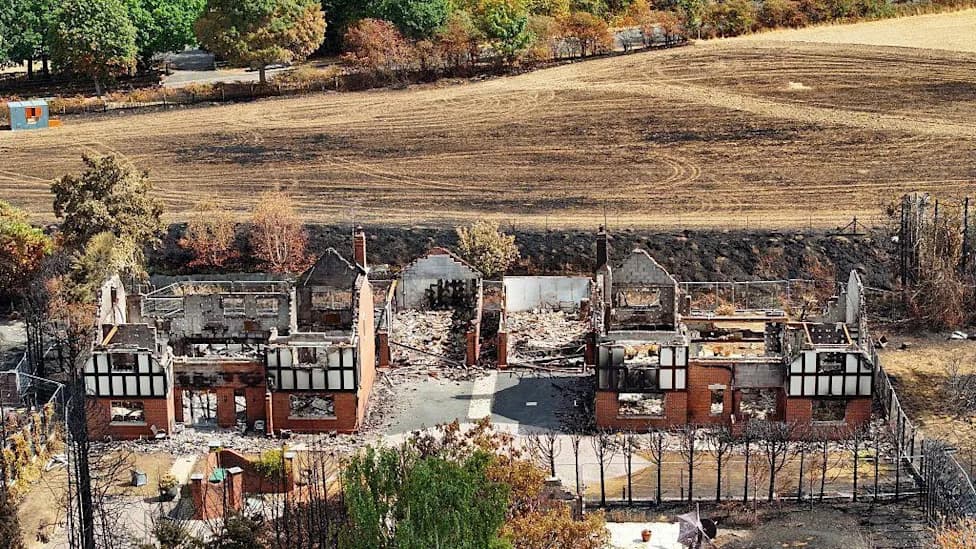
Last week a major incident was declared in Suffolk after a fire at Dunwich Heath and RSPB Minsmere spread across about 371 acres (150 hectares) and required more than 100 firefighters at its height. Experts have warned full ecological recovery there could take up to 25 years.
Risk factors are intensifying: the Environment Agency declared a drought across more than half of England, including East Anglia, and Wild Ken Hill has recorded just 260 mm (10.2 in) of rain this year — roughly half of what might typically be expected by this point. Norfolk Fire and Rescue Service reported responding to five wildfires in a single day, underscoring the heightened danger.
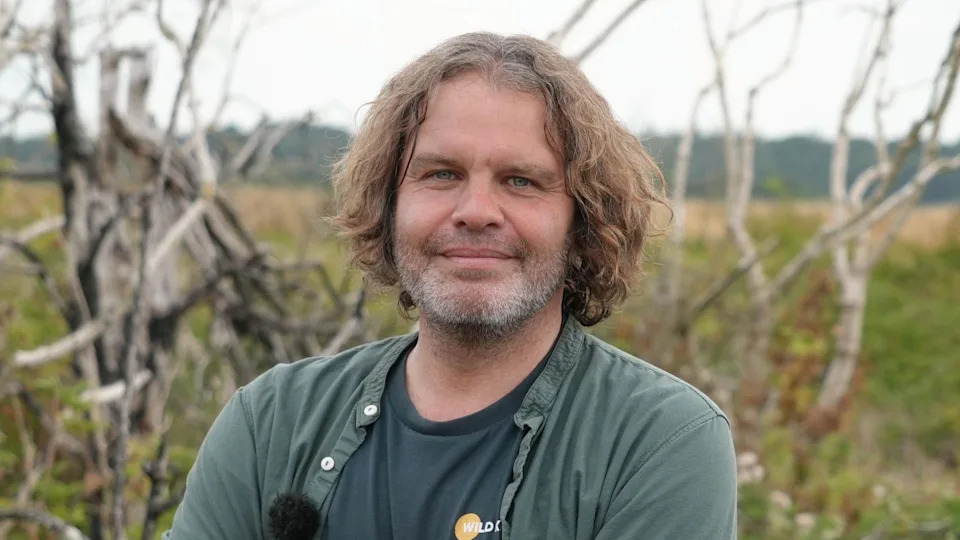
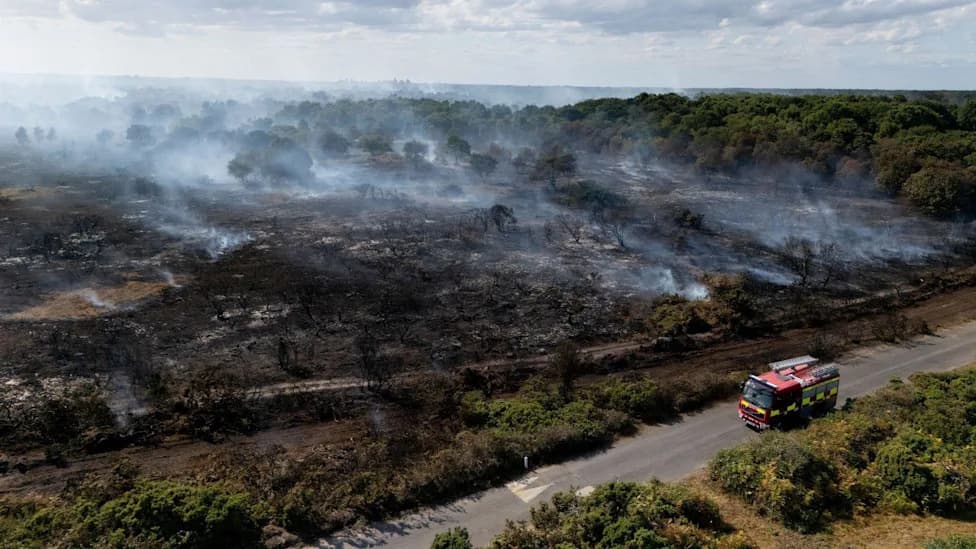
Andrew Waddison said in the aftermath of the fire, the reserve resembled Mars [Shaun Whitmore/BBC]
Prevention, Management And Community Action
Wild Ken Hill has adopted several practical measures to reduce fire risk. Cattle grazing has been introduced to lower the amount of dry, standing vegetation during summer. The reserve also works closely with the fire service and engages the local community to promote safer behaviour.
Buscall emphasises prevention: “The vast majority of fires are caused by people, so prevention is critical — no littering, no open flames, no disposable barbecues. Absolute vigilance from all of us.”
Community Stewardship
Reserve worker Andrew Waddison described the immediate post-fire landscape as almost lunar, but called the ongoing regeneration “astonishing.” He highlighted that most visitors respect the reserve, while urging continued public caution because a small number of careless actions can cause major damage.
As vegetation and habitat structure return, so do animal populations: “If you build it, they will come,” Waddison said, expressing confidence that, with careful management and community cooperation, places like Dunwich can recover and regain much of their former character.
Help us improve.