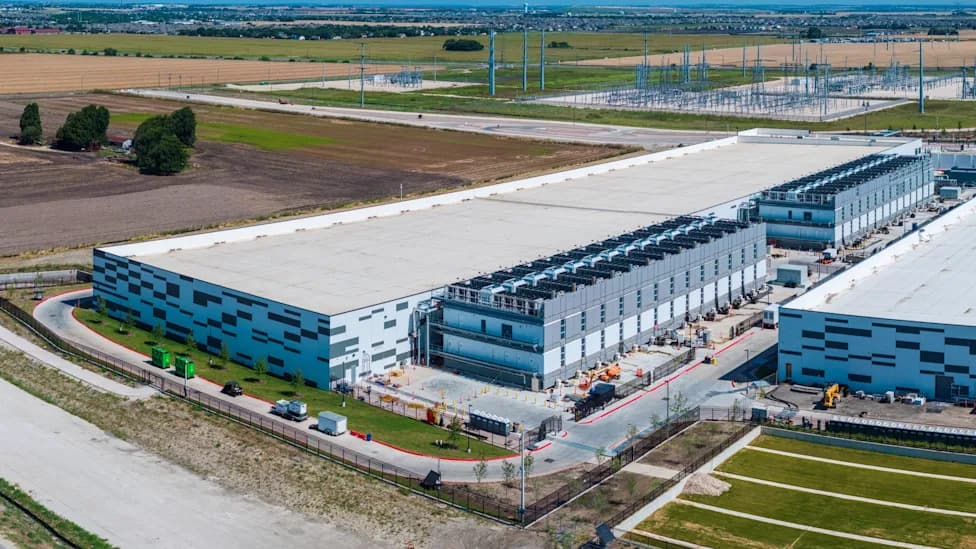
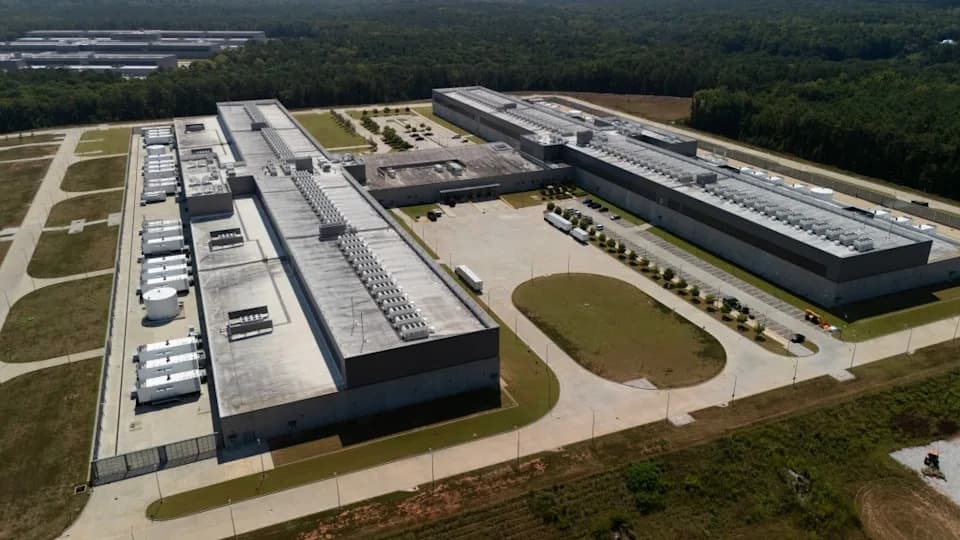
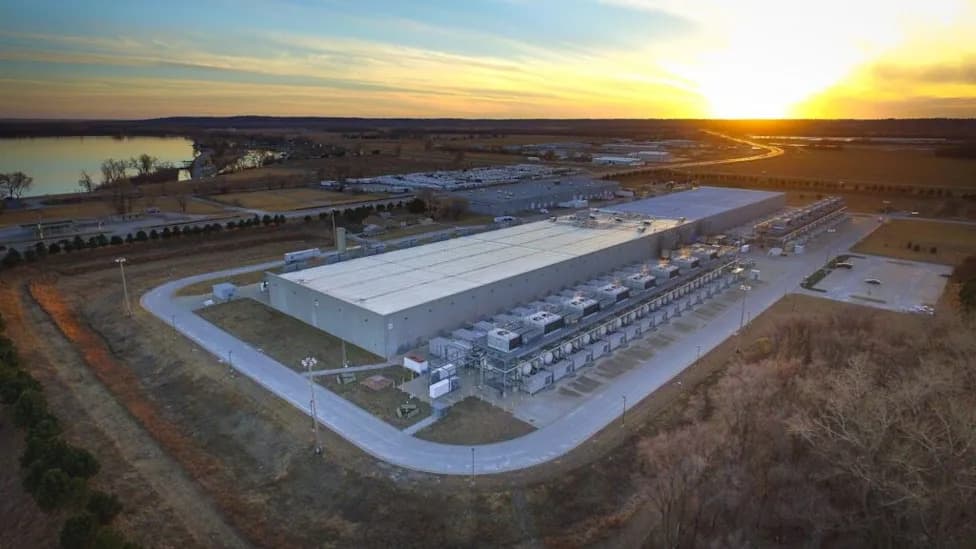
Stacks of fiber-optic cable near Coffeyville, Kansas, have sparked concern that planned AI data centers could strain local water, land, and energy resources. Content creator Parker Thompson is urging a temporary legal moratorium so residents can review trade-offs, citing that hyperscale centers can occupy hundreds of acres and use water-intensive evaporative cooling. The debate highlights tensions between agricultural water rights, potential grid impacts, and the need for transparent planning.
Kansas Town Raises Alarm As Fiber Spools Hint At AI Data Center Plans
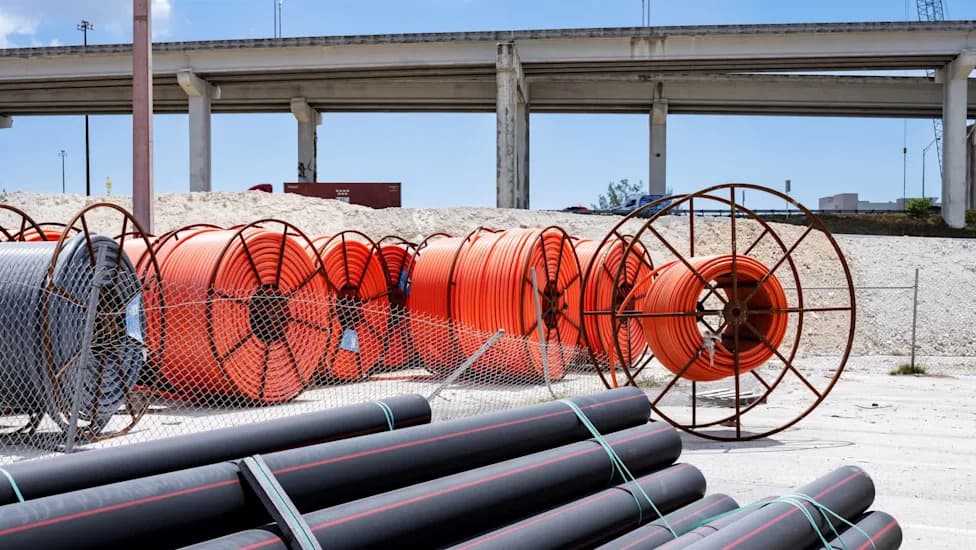
Photo Credit: iStock
Stacks of fiber-optic cable and construction supplies near an industrial area in Coffeyville, Kansas, have prompted local concern that proposed AI-related data centers could strain the community's water, land, and energy resources.
What Locals Are Saying
Local content creator Parker Thompson (@Parkrone) posted on-the-ground video from Coffeyville highlighting material stockpiles and warning residents to pay attention before large industrial projects reshape a farming community. In the clip Thompson said,
“While Big Tech prepares to lay miles of fiber and draw millions of gallons of water, Kansas farmers are facing real resource deprivation in a state built on agriculture.”
Why Residents Worry
Thompson and others note that hyperscale data centers can occupy hundreds of acres and often rely on evaporative cooling systems that consume significant volumes of water. Local fears center on potential impacts to groundwater and irrigation supplies in a region that depends on agriculture.
Kansas water law generally prioritizes agricultural water rights over industrial uses, a legal point cited by Thompson as a reason for caution and for ensuring residents' voices are heard.
Benefits, Risks, And Trade-Offs
Data centers bring investment, jobs, and demand that can drive upgrades to the power grid and spur smarter energy management. AI tools may even help optimize cleaner energy systems. At the same time, large facilities increase electricity and water demand, can raise utility costs, and—if developed quickly—may create oversight, security, and social concerns.
Call For Transparency And A Pause
Seeing cable spools and supplies arrive before full public consultation has reinforced perceptions that local planning lacks transparency. Thompson is urging Coffeyville to adopt a temporary legal moratorium so residents and officials can review land-use, water allocation, and infrastructure commitments before major construction proceeds.
“We cannot let industrial expansion compromise Coffeyville's land, water, and agricultural heritage,” Thompson says.
Next steps recommended for communities in similar situations include public hearings, independent environmental and water-use reviews, clear utility agreements, and enforceable community benefit measures to ensure development supports rather than displaces local priorities.
Help us improve.