The chaotic attempt by more than 70,000 people to enter Ceuta in late July left at least 72 dead and a few thousand migrants still in the Spanish enclave. Families such as that of 24-year-old Omar Lotfi remain without news of missing relatives after frantic searches and appeals. Humanitarian groups warn children and other vulnerable migrants are in distress and call for urgent protection and transparent investigations.
Ceuta Border Crisis: Families Still Waiting as Thousands Remain and Dozens Are Missing
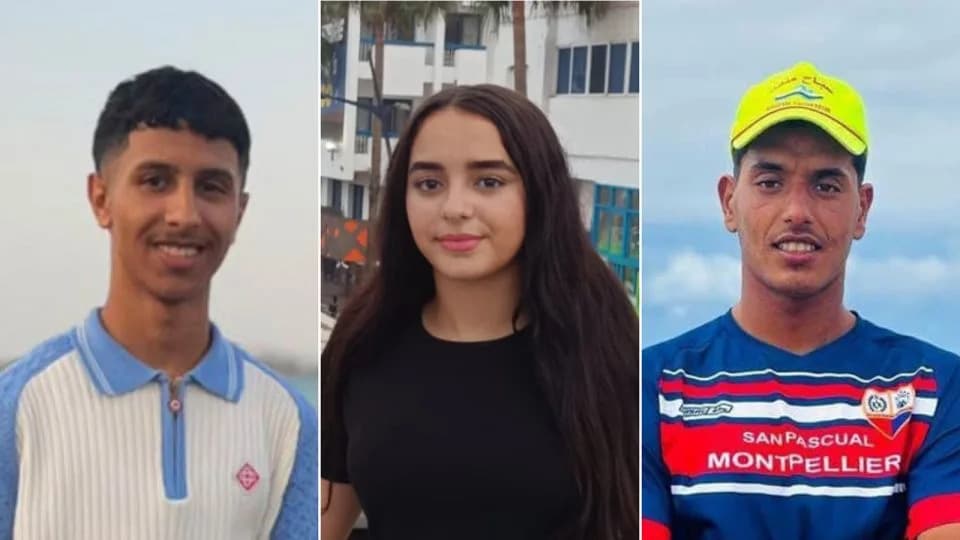
Abdullah Al-Hafi, Nada Shiba and Omar Lotfi - Families of Abdullah Al-Hafi, Nada Shiba and Omar Lotfi
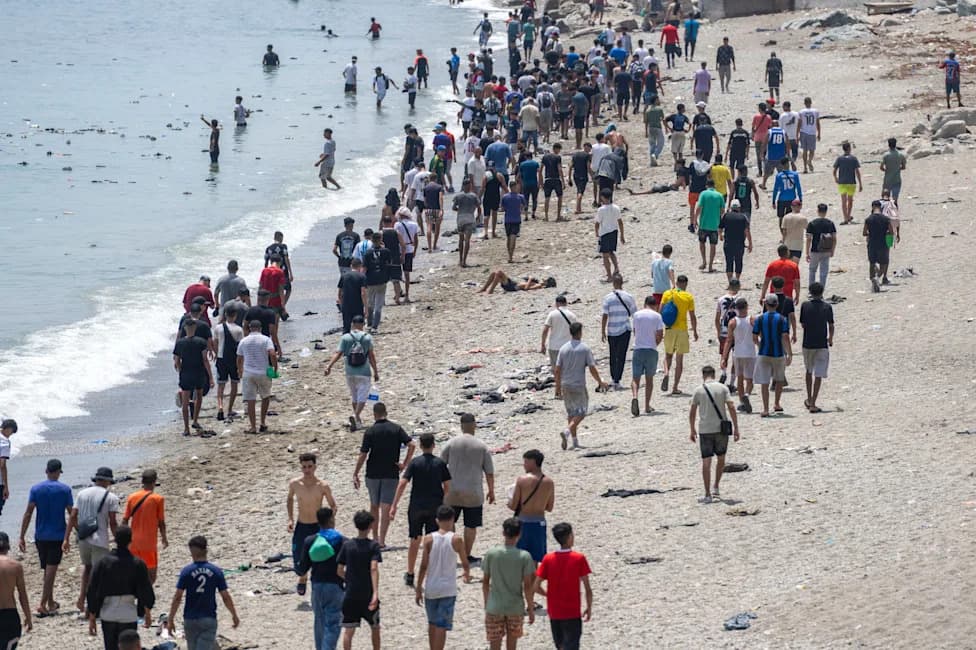
The chaotic mass attempt to cross into the Spanish exclave of Ceuta has left families desperate for news of missing loved ones and humanitarians warning of a worsening protection crisis. More than 70,000 people surged toward the border in late July after a recent Spanish Supreme Court ruling on migrant returns, and at least 72 people died in the crossings. A few thousand migrants remain in Ceuta, where officials estimate more than 800 are children.
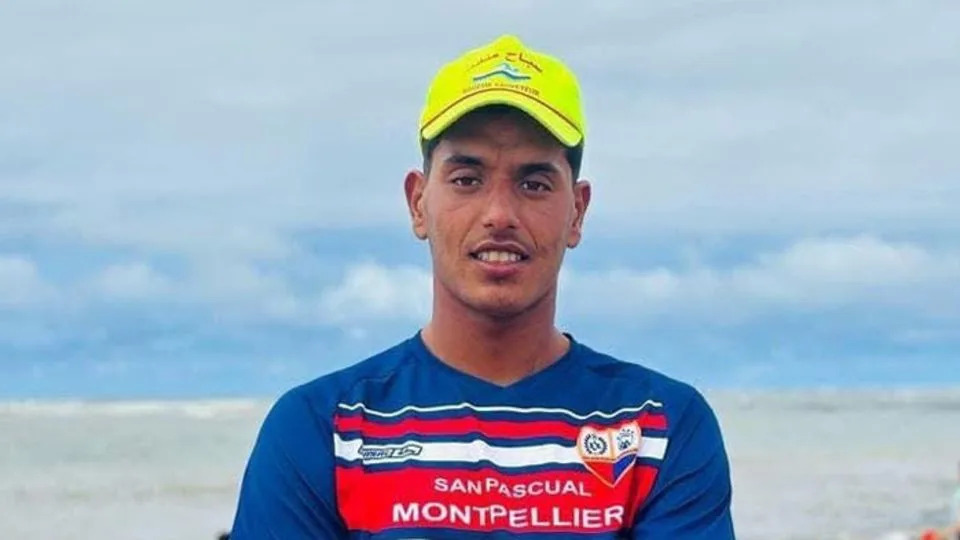
Omar Lotfi - Family of Omar Lotfi
The Missing: Faces Behind the Numbers
Among those unaccounted for is 24-year-old Omar Lotfi, who left his hometown of Dar Bouazza, near Casablanca, on July 31 and was last seen in the Moroccan border town of Fnideq. His sister, Mariem, told CNN:
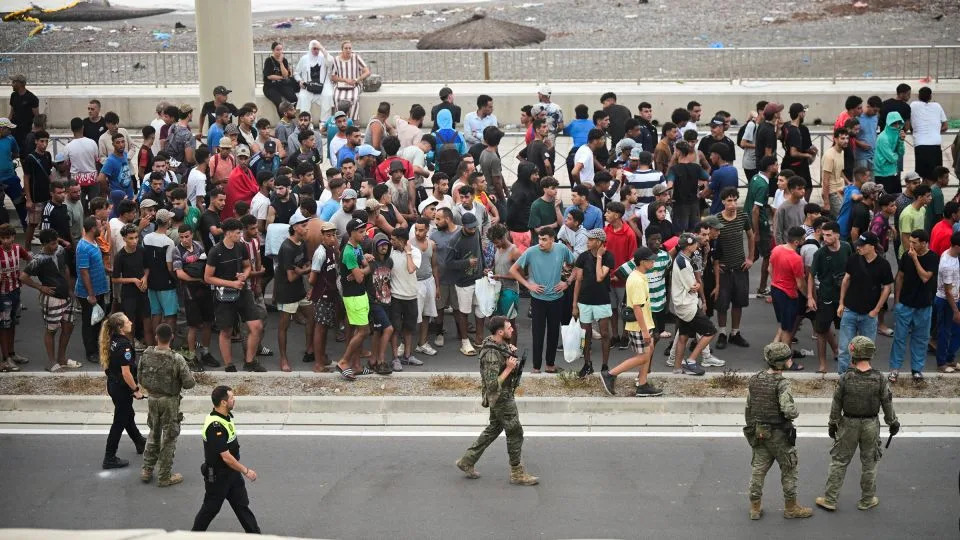
Police officers and Spanish soldiers escort a big group of migrants to the border to take them out of Spain, after mass crossings of migrants on foot and by sea from Morocco into Spanish territory, in Ceuta, Spain, on August 1. - Fabian Bimmer/Reuters
"We do not know where he is, whether he is safe, whether he was taken to a hospital, detained, or if something else happened. The uncertainty has been devastating for our family."
Omar reportedly attempted the crossing with a friend who also has not been heard from. Dozens of other families report similar anguish: parents, siblings and children who have made contact with no plans to return, or who have simply disappeared amid the chaos.
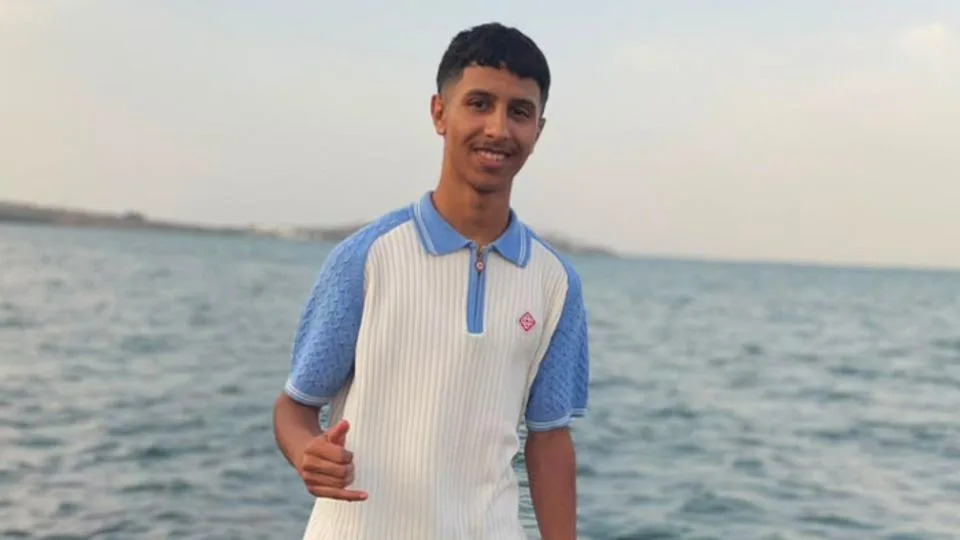
Abdullah Al-Hafi - Family of Abdullah Al-Hafi
Other Cases Highlight the Human Cost
Seventeen-year-old Abdullah Al-Hafi was last heard from while traveling to Fnideq on July 30; his family says they have had no news since. Fourteen-year-old Nada Shiba was separated from her mother at the crossing — her mother returned to Morocco while Nada is thought to have entered Ceuta and is now unaccounted for. Families have contacted hospitals, aid groups and authorities on both sides of the border but say answers remain scarce.
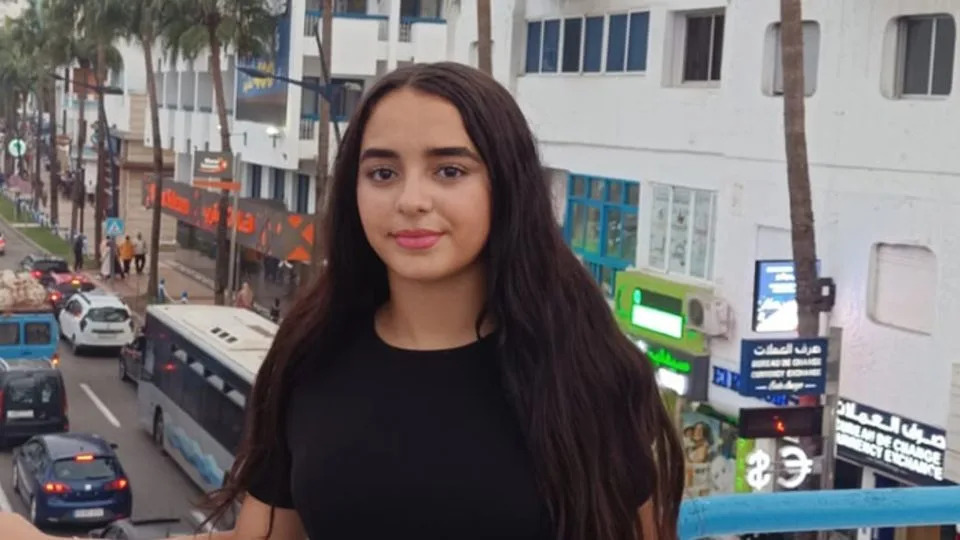
Nada Shiba - Family of Nada Shiba
Why the Surge Happened and the Official Response
Experts point to several factors behind the surge: a Spanish Supreme Court ruling affecting migrant returns, Spain's relatively stronger economy, a recent program to legalize migrants already in Spain, and persistent economic pressures on young people across North Africa. The scale of the movement prompted Ceuta authorities to request help, and Spain deployed military personnel to assist with border control and humanitarian needs.
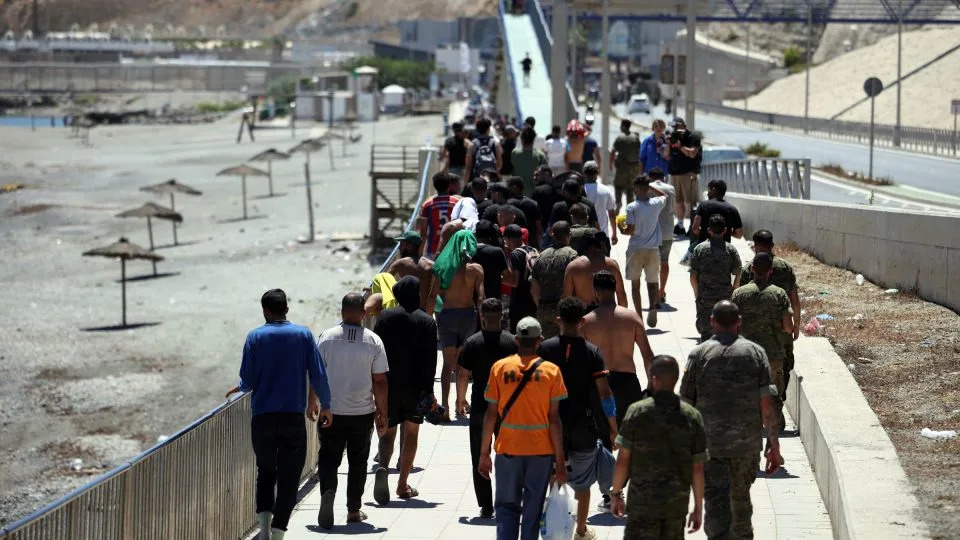
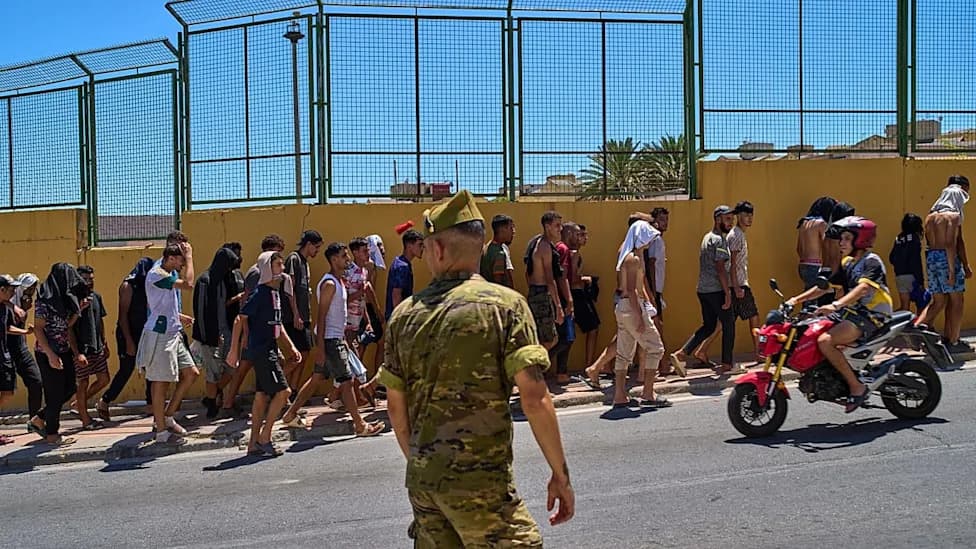
A group of migrants approach the border post to make their way back to Morocco, escorted by Spanish infantry soldiers, in the Spain's north African enclave of Ceuta, on August 2. - Henry Nicholls/AFP/Getty Images
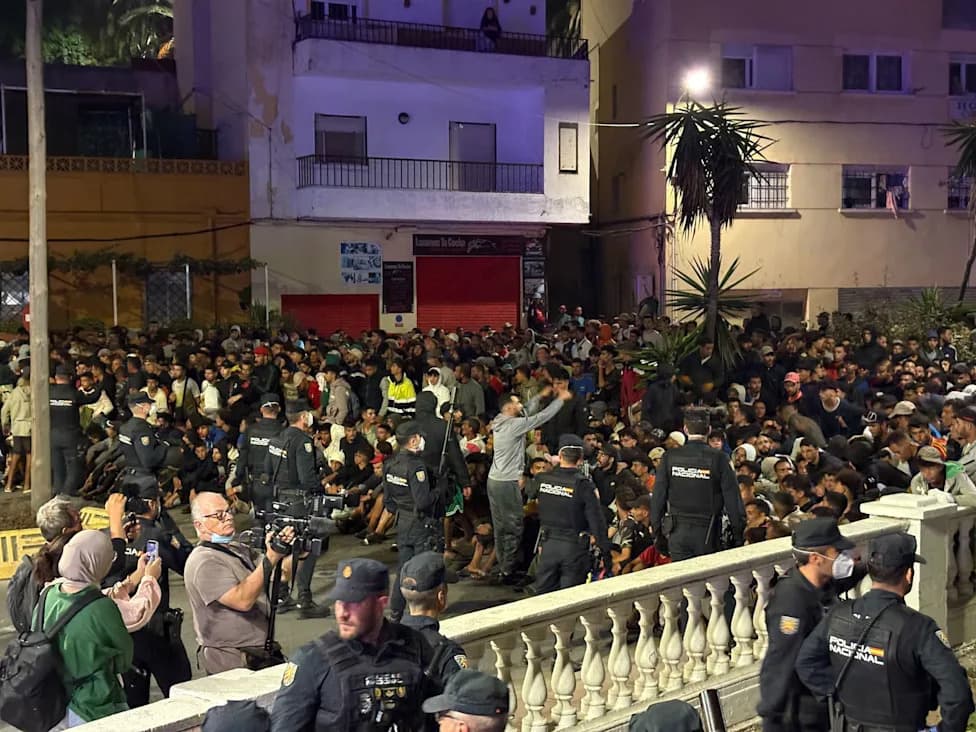
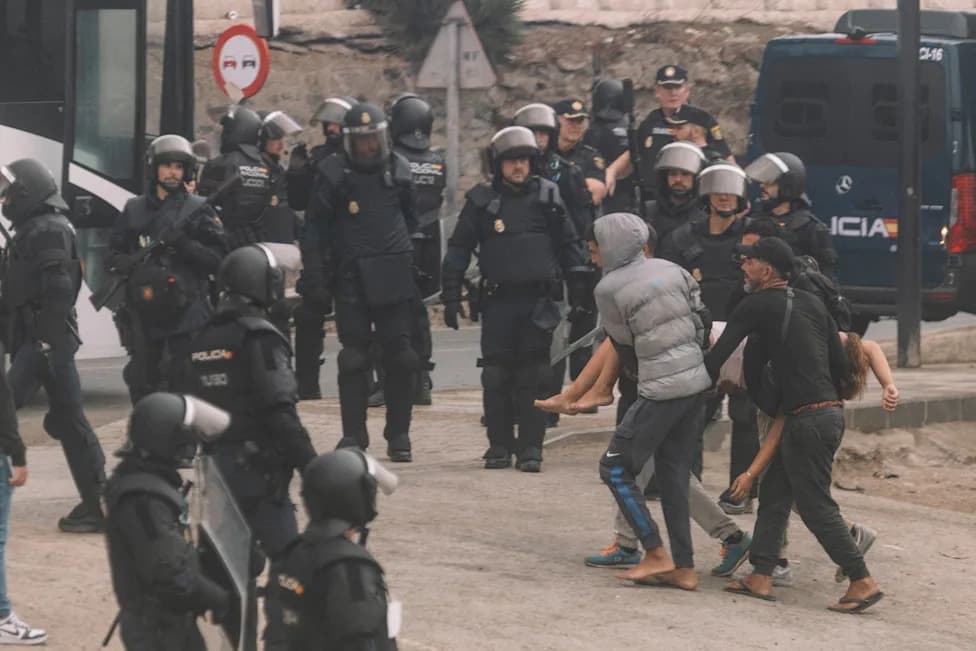
Authorities described scenes of people breaching fences, swimming to the enclave and running into territory in what officials called "absolute chaos." At least 72 people died during the crossings — some drowned, others were trampled — while most participants have returned to Morocco and a few thousand remain in Ceuta.
Children and Humanitarian Concerns
Humanitarian groups have urged urgent action to protect children and other vulnerable migrants. Catalina Perazzo of Save the Children said children are entitled to individualized assessments, safe shelter and specialized care regardless of where they are found. She warned that the sudden influx has overwhelmed local services and that many children remain in distress, without reliable access to food, water, shelter or clothing.
The Moroccan Association of Human Rights has called on Moroccan and Spanish authorities to open "independent, urgent and transparent investigations" into the deaths and to help families learn the fate of missing relatives and recover bodies for dignified burials.
What Families Are Asking For
Relatives like Omar's sister continue to plead publicly for any information, no matter how small, and to pressure authorities and aid groups to do more to trace the missing. Families want clear, consolidated information about the number of people missing, timely communication when migrants are located or hospitalized, and mechanisms to reunite children with caregivers safely.
The human toll of the border surge is still unfolding. For families waiting in agony, the lack of information remains the most painful part of the aftermath.
Reporting based on accounts from families and statements from Ceuta authorities, Save the Children, the Moroccan Association of Human Rights and CNN reporting.
Help us improve.