British farmers warn that an exceptionally hot, dry spring and summer could make 2026 the UK's worst harvest since 1984. Analysis from the ECIU estimates a 2.5 million tonne shortfall in cereals and oilseeds, potentially costing up to £390 million. AHDB data shows wheat yields near 6.8 t/ha and a projected combined cereals and oilseeds harvest of about 19.5 million tonnes. Experts say repeated extremes — intensified by climate change — threaten future production unless emissions are rapidly cut to net zero.
‘Completely Brutal’: UK Could See Worst Harvest Since 1984 After Extreme Heat and Drought
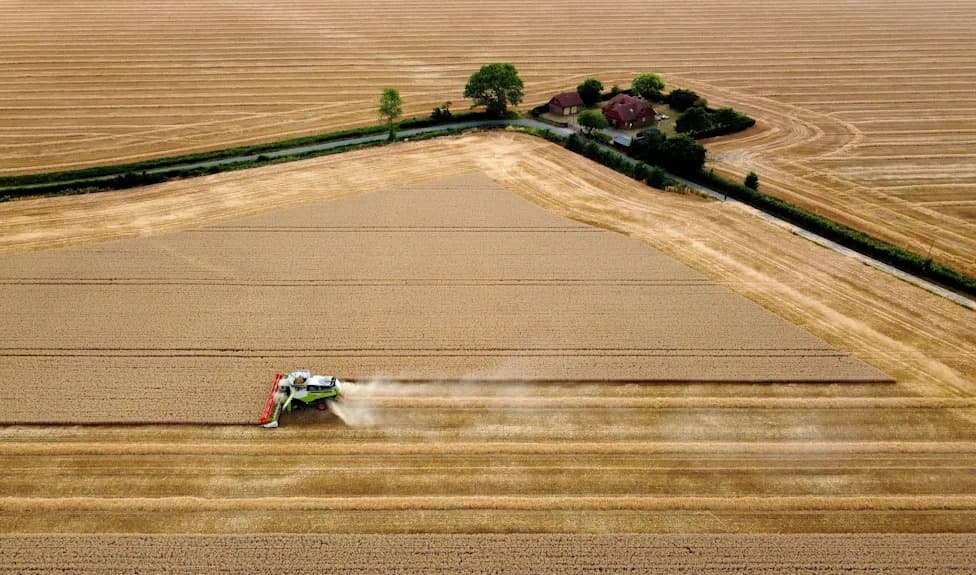
FILE PHOTO - A combine harvester at work in a field near Newchurch on the Romney Marsh. (is associated with: «'Brutal' UK harvest could be worst on record because of extreme summer») Gareth Fuller/PA Wire/dpa
British farmers are warning that an exceptionally hot, dry spring and summer have been "completely brutal," and analysis suggests 2026 could produce the worst UK harvest on record since detailed records began in 1984.
Harvest Outlook and Estimated Losses
Researchers at the Energy and Climate Intelligence Unit (ECIU) estimate the unusually severe conditions could have reduced the nation's cereals and oilseed output by about 2.5 million tonnes compared with earlier projections — a shortfall that may be costing farmers up to £390 million (about $524 million).
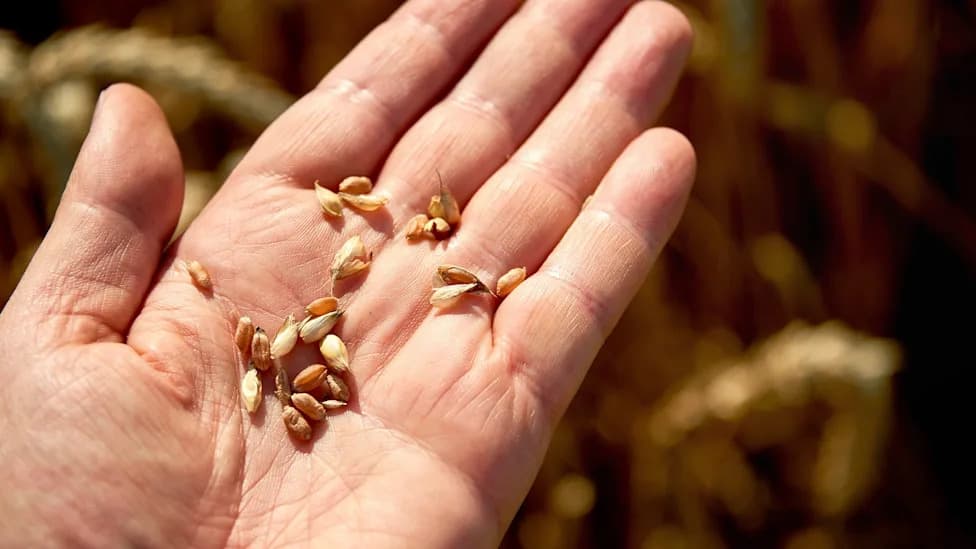
Projections made in March and April by European and US agricultural bodies had suggested UK yields might finish at or above 10-year averages for 2026. But updated figures from the Agriculture and Horticulture Development Board (AHDB) show declines in wheat, barley and oat yields. Wheat, roughly half-harvested so far, is averaging around 6.8 tonnes per hectare, well below the 10-year mean.
If provisional yield estimates hold, the combined cereals and oilseeds harvest would total about 19.5 million tonnes, a level that would overtake 2020 as the poorest harvest since records began. Even with any late recovery, 2026 is likely to rank among the five worst harvests on record — four of which have occurred this decade amid increasingly extreme weather exacerbated by climate change.
Weather Trends and Wider Context
The UK has endured record-setting, deadly heatwaves in May and June, followed by further heat events and the driest July on record for England and Wales. Those conditions left all of Wales and about half of England in drought. The extremely hot, dry summer followed a dry spring, making this the second consecutive year of extreme heat and drought, alternating with very wet winters in a pattern sometimes described as "weather whiplash."
Farmers' Experiences
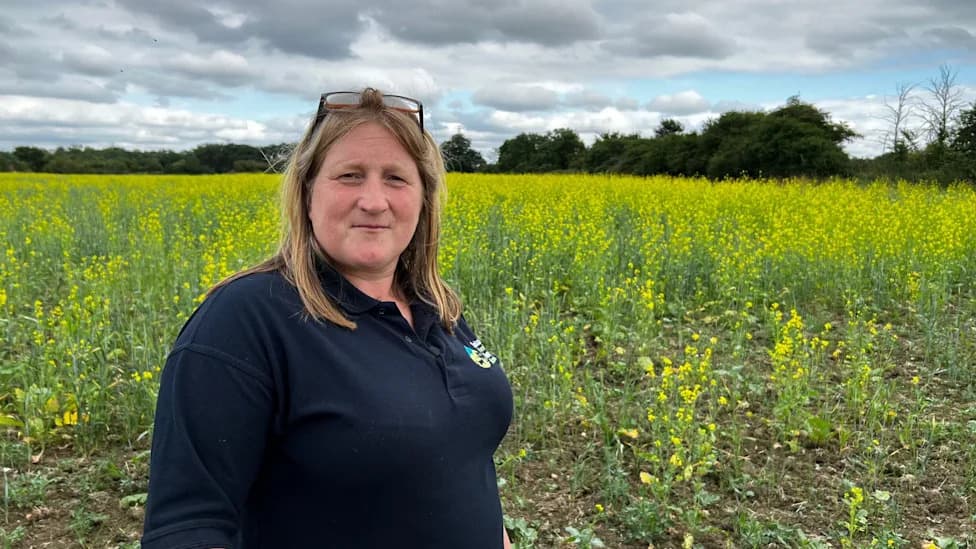
Martin Lines, chief executive of the Nature Friendly Farming Network (NFFN) and a Cambridgeshire farmer, said there is "only so much you can do to adapt to these sort of extremes." He described this year's harvest as "a real kick in the teeth," noting that crops looked promising in spring before months of drought and heatwaves caused heavy damage.
"After two terrible harvests in a row, the crops this year were looking good and full of potential coming out of spring, only for months of drought and heatwaves to destroy any prospect of a decent harvest," Lines said. "I've never known it this dry and hot on our farm. Even farmers I know who were sceptical of climate change are now saying they're really worried about the future of their businesses and production. It's just been completely brutal for our industry."
Lines also pointed to rising input costs — influenced in part by global tensions such as the conflict involving Iran — saying that planning crops for next year has become "a total nightmare." He added that nature-friendly measures on his farm have helped soils retain moisture longer, "but there's only so much you can do to adapt to these sorts of extremes."
Risks to the Sector and Policy Implications
Tom Lancaster, a land, food and farming analyst at the ECIU, warned the sector risks slipping into a "climate doom loop" as repeated extremes steadily erode farmers' capacity to plant and harvest reliably. He pointed to a succession of extremes — from the wettest winter on record in 2024 to the hottest summer in 2025 and unprecedented heat and drought in 2026 — as evidence that farming is now among the sectors most exposed to climate-related risks.
Global temperatures will continue to rise until greenhouse gas emissions are reduced to net zero. Achieving net zero requires cutting emissions dramatically through measures such as wider deployment of wind and solar power, electric vehicles and heat pumps, and offsetting remaining emissions through restored ecosystems like forests and peatlands or by developing carbon removal technologies. Lancaster said bringing emissions down is now a clear priority for the future of UK food production and the countryside that sustains it.
What This Means For Consumers And Policy
Beyond immediate financial losses for farmers, the harvest shortfall may affect grain supplies, input costs and farm incomes, and could influence food prices and security if extreme trends continue. Policymakers face pressure to support farmers adapting to more variable weather while accelerating emissions reductions and investing in resilient agricultural and water-management practices.
Help us improve.