Seth Moulton faced renewed criticism during a Sept. 1 primary debate with Sen. Ed Markey after reporters confronted him about a 2024 comment regarding transgender athletes. Moulton offered a qualified apology, stressed his pro-LGBTQ+ record and argued Democrats must engage the issue rather than cede it to Republicans. Markey accused Moulton of blaming trans youth for the Democrats' 2024 losses and warned that such rhetoric fuels anti-trans sentiment.
Seth Moulton’s 2024 Remarks on Trans Athletes Resurface in Heated Senate Debate With Ed Markey

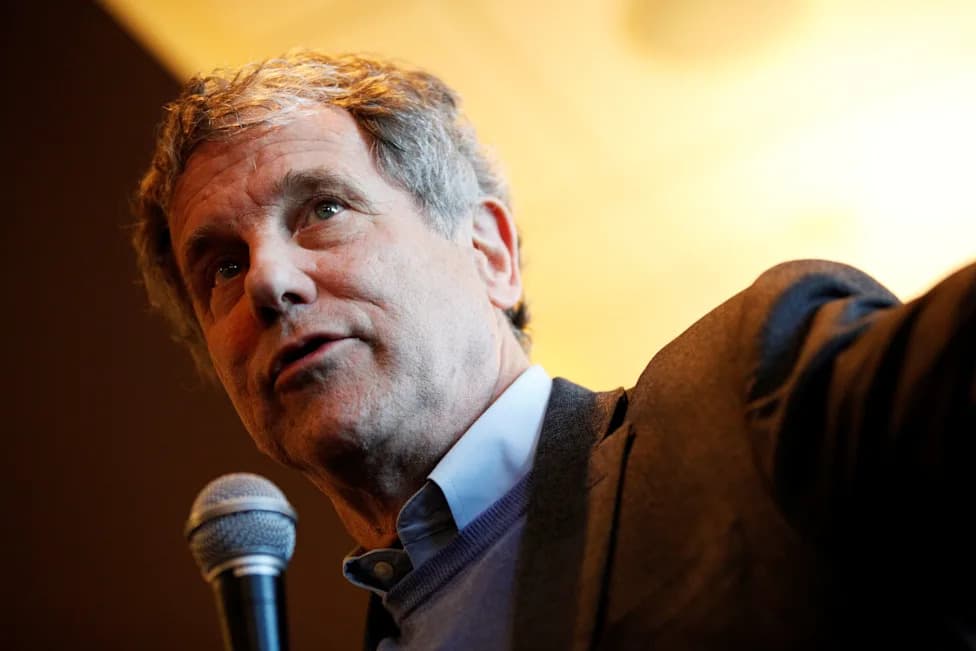
Massachusetts congressman and Senate hopeful Rep. Seth Moulton faced renewed scrutiny Monday when comments he made in 2024 about transgender athletes were raised during a heated debate with Sen. Ed Markey ahead of the Sept. 1 Democratic primary.
Context and Confrontation
WGBH reporter Adam Reilly pressed Moulton over a 2024 New York Times quote in which Moulton said, "I have two little girls. I don't want them getting run over on a playing field by a male or formerly male athlete." The exchange forced Moulton to clarify his position and explain his intent to voters.
Moulton's Response And Record
Moulton described himself during the debate as a steadfast ally of the full LGBTQ+ community and offered a measured apology. He said:
"To the trans community feeling the weight and the pain of the (Donald) Trump administration policies: I deeply recognize your trauma, and I'm sorry if my comments hurt you. That was not my intention."
He also highlighted his legislative record, noting co-sponsorship of a transgender bill of rights, repeated co-sponsorship of the Equality Act, and what he described as a 100% voting record aligned with the Human Rights Campaign.
Markey's Rebuttal
Sen. Ed Markey immediately pushed the debate back onto Moulton's earlier rhetoric, arguing it had real political and human consequences. Markey accused Moulton of blaming transgender youth for Democrats' 2024 losses and said:
"After the 2024 election, Congressman Moulton then blamed the Democratic Party defense of trans kids as the reason why we lost. He threw them under the political bus. We should have been loving those kids."
Markey added that there are very few transgender athletes in college sports—citing an estimate of a dozen in the NCAA—and warned that public rhetoric like Moulton's can fuel a broader anti-trans movement.
Broader Political Context
The debate took place against the backdrop of a June Supreme Court decision referenced in the debate that upheld state bans restricting transgender girls from competing in female sports. Reilly also asked Moulton whether he still feared for his daughters' safety if they competed alongside transgender girls.
Moulton replied that his children are young and play co-ed sports, and reiterated his broader point: Democrats should not refuse to engage on difficult questions because leaving them unaddressed allows opponents to define the terms of debate. He previously expanded on that view in an interview with The Advocate, saying that failing to engage lets Republicans set the agenda and "a lot of people are going to get hurt."
What This Means
The exchange highlights a tension within the Democratic Party over how to address cultural and policy disputes about transgender participation in sports: balancing careful defense of transgender rights with political strategies aimed at broader electorates. For Moulton, the moment revived sharp questions about past rhetoric and whether his apologies and legislative record will reassure transgender voters and allies.
Help us improve.