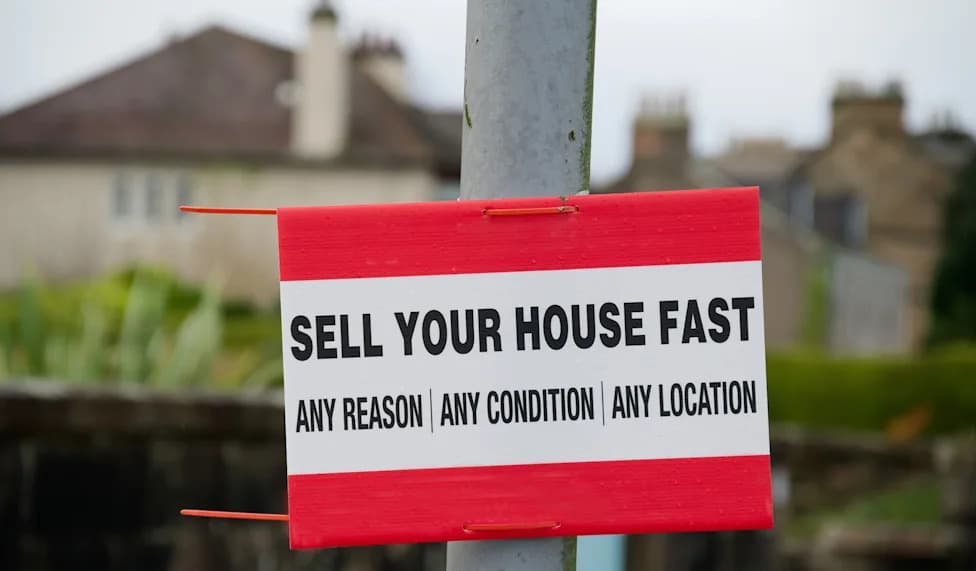
Online transparency in home listings is essential to fair housing and wealth building. The rise of private listing networks and pocket listings risks reducing opportunities for first-time buyers and exacerbating racial disparities. Studies show MLS-listed homes sell for 17.5% more than off-MLS homes, and sellers in majority-minority ZIP codes lose roughly $9,850 per sale versus $3,700 in majority-white areas. States including Washington and Connecticut have passed protections; Illinois' HB4964 would require most listings to be public within one day unless a seller opts out.
The Next Fight for Fair Housing Is Online: Private Listings and the Rise of Digital Redlining

—J Studios—Getty Images
For generations, homeownership has been one of the clearest pathways to economic opportunity in America—especially for Black and Brown families. A house is not just shelter: it helps families send children to college, start businesses, and build intergenerational wealth.
Why Online Transparency Matters
Online listing platforms and multiple listing services (MLS) promote transparency by giving buyers, agents, and brokers access to the full inventory of available homes. That visibility helps buyers compare prices, neighborhoods, and days on market; helps sellers reach the widest pool of buyers; and helps the market operate more fairly for everyone.
Private Listing Networks and Pocket Listings
Private listing networks (PLNs) and pocket listings let sellers market properties privately to a selected group of agents and buyers instead of posting them to the MLS. Supporters argue these practices provide choice, privacy, and control. But in practice they can restrict access and create selective marketplaces where connections, not competition, determine outcomes.
Evidence of Harm
These risks are real. According to the Consumer Federation of America and the National Urban League, 46% of housing counselors say first-time buyers struggle with pocket listings. Research from Bright MLS and Drexel University finds MLS-listed homes sell for 17.5% more than off-MLS properties. Zillow research shows sellers in majority-minority ZIP codes lose an average of $9,850 per sale compared with $3,700 in majority-white areas.
Real-World Warning: The Chicago Case
In April, the MLS serving greater Chicagoland partnered with the nation’s largest brokerage to expand a private listing network while cutting public visibility for many listings. A federal court issued a temporary restraining order to preserve public access—an alert that this model could spread and make public listings a fallback rather than the norm.
Historical Context: Digital Redlining
Redlining denied generations of Black families equal access to mortgages, investment, and the chance to build wealth. Though outlawed, its legacy persists—and now a modern form of digital redlining may be emerging.
This is more than an industry dispute; it is a civil-rights issue. When access to listings is gated, the resulting lack of transparency can reproduce and deepen historic inequalities.
Policy Responses and What Needs To Happen
Some states are moving to protect public access. Washington and Connecticut have enacted laws; lawmakers in Illinois, New York, and elsewhere are considering measures. Illinois' HB4964 would require most residential listings to be publicly marketed online within one calendar day unless a seller signs a formal disclosure to opt out. Similar commonsense guardrails should be considered nationwide to preserve fairness and competition.
Conclusion: If allowed to spread, private listing networks could entrench a new, digital version of exclusion that undermines homeownership as a vehicle for economic mobility. Consumers, civil-rights advocates, and policymakers should act now to protect transparent access to housing markets.
Help us improve.